

EFTPOS Systems | How Electronic Payment Terminals Support the Cashless Economy
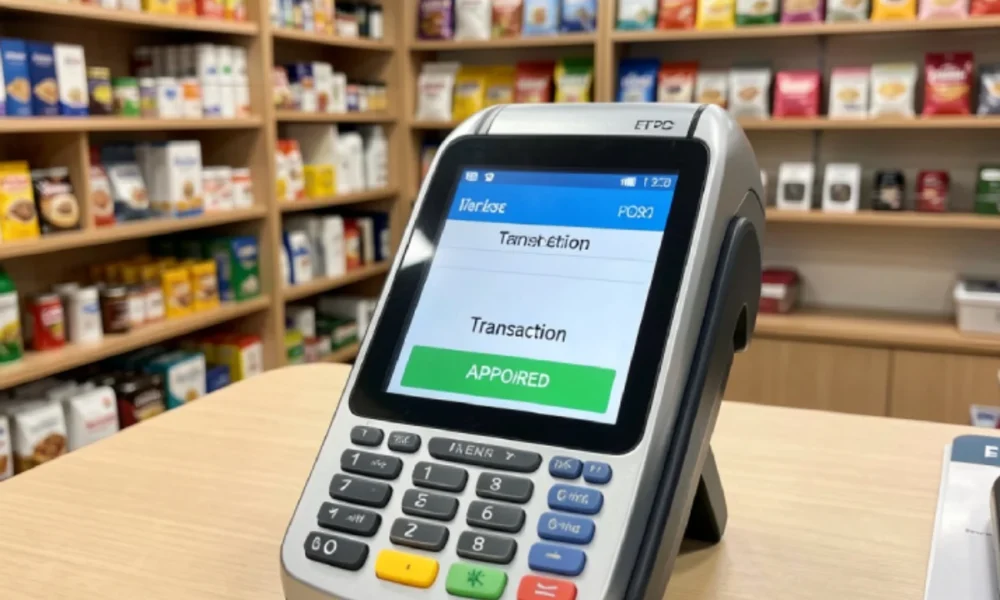
Electronic Funds Transfer at Point of Sale (EFTPOS) systems have become the backbone of modern retail transactions. As physical currency usage declines globally, these payment terminals enable businesses to accept debit cards, credit cards, and mobile wallet payments through secure electronic networks.
Table Of Content
- Core Benefits of Modern EFTPOS Terminals
- Security Features That Protect Transactions
- Mobile and Portable Payment Solutions
- POS Integration and Business Intelligence
- Omnichannel Payment Processing
- Addressing Financial Inclusion Concerns
- Implementation Considerations for Businesses
- Environmental Impact of Digital Payments
- The Future of Payment Processing
- Making the Transition to Electronic Payments
The shift toward digital payments has accelerated dramatically. Over 90% of in-person payments in Australia now use EFTPOS or digital wallets, while 86.9% of US transactions are cashless. This transformation isn’t temporary—it represents a fundamental change in how consumers and businesses handle money.
EFTPOS technology works by creating a secure connection between a customer’s bank account and a merchant’s account. When customers tap, insert, or swipe their payment card at a terminal, encrypted data transmits to their bank for authorization. The entire process completes in under two seconds for contactless payments, making it faster than cash transactions.
Core Benefits of Modern EFTPOS Terminals
Today’s EFTPOS terminals offer capabilities far beyond basic card processing. Modern systems accept multiple payment methods including Visa, Mastercard, American Express, along with mobile wallets like Apple Pay, Google Pay, and Samsung Pay. This versatility ensures businesses never turn away customers due to limited payment options.
Transaction speed stands out as a primary advantage. Contactless payments process in under two seconds, compared to cash transactions that require counting bills, making change, and later reconciliation. During peak business hours, this efficiency difference directly affects how many customers a business can serve.
Integration with Point of Sale (POS) systems creates additional operational benefits. Connected EFTPOS terminals automatically update inventory levels, track sales data, and generate financial reports in real-time. This eliminates manual data entry errors and provides business owners with immediate access to performance metrics rather than waiting for monthly statements.
Payment accuracy improves substantially with electronic systems. Cash handling carries risks of miscounting, incorrect change, and end-of-day reconciliation discrepancies. EFTPOS terminals create automatic digital records of every transaction, simplifying accounting and reducing human error.
Security Features That Protect Transactions
Modern EFTPOS systems incorporate multiple security layers to protect both merchants and customers. Encryption converts sensitive payment data into unreadable code during transmission, while tokenization replaces actual card numbers with unique temporary tokens. Even if intercepted, this tokenized data cannot be used for unauthorized purchases.
EMV chip technology adds another protection level. These chips generate unique transaction codes that cannot be reused, making card duplication nearly impossible. When customers use contactless payments, Near Field Communication (NFC) technology operates at a range of only a few centimeters, preventing long-range interception attempts.
Biometric authentication through smartphones provides additional security for mobile wallet payments. Face recognition or fingerprint scanning ensures only the authorized device owner can complete transactions. This multi-layered approach has made digital payments more secure than traditional cash or magnetic stripe cards.
Security breaches can severely damage business reputation and result in financial losses. Payment terminals must comply with PCI DSS (Payment Card Industry Data Security Standard) requirements, which govern how payment data is stored, processed, and transmitted. Businesses using certified EFTPOS systems automatically benefit from these industry-standard protections.
Mobile and Portable Payment Solutions
Portable EFTPOS terminals have transformed how businesses accept payments. Mobile terminals connect via Wi-Fi, 4G networks, or Bluetooth, allowing merchants to process transactions anywhere—at customer tables, in delivery vehicles, at outdoor markets, or during home service calls.
This mobility particularly benefits restaurants, where staff can bring payment terminals directly to dining tables. Customers complete their bills immediately without waiting for servers to process payments at a central register. Takeaway services use portable terminals at counters or curbside pickup locations, maintaining transaction speed during busy periods.
Small businesses and independent contractors gain access to professional payment capabilities through mobile EFTPOS solutions. Freelancers, market vendors, and service providers can accept card payments without maintaining a traditional storefront. These systems often include analytics features that provide insights into sales patterns and customer purchasing behavior.
POS Integration and Business Intelligence
Integrated EFTPOS and POS systems create a unified platform for managing all business transactions. When customers complete purchases, the system automatically updates inventory counts, records customer purchase history, and generates sales reports. This consolidation eliminates the need to manually reconcile data from separate systems.
Real-time reporting capabilities allow business owners to monitor performance throughout the day. Instead of reviewing yesterday’s results each morning, merchants can track current sales trends, identify popular products, and make immediate operational adjustments. This instant access to business intelligence supports better decision-making.
Customer relationship management improves through integrated systems. Merchants can track individual purchase histories, implement loyalty programs, and offer personalized promotions based on buying patterns. These capabilities help build stronger customer relationships and encourage repeat business.
Settlement speeds affect business cash flow. Many EFTPOS providers now offer same-day settlement options, with funds appearing in merchant accounts within hours rather than days. This rapid access to revenue helps businesses manage operating expenses and maintain healthy cash flow.
Omnichannel Payment Processing
Businesses operating both physical locations and online stores need consistent payment processing across all channels. Integrated EFTPOS systems connect in-store terminals with e-commerce platforms and mobile apps, creating a unified payment experience regardless of how customers choose to shop.
This omnichannel approach ensures accurate inventory management across all sales channels. When an item sells online, the inventory count updates instantly for in-store staff. Purchase history follows customers whether they shop in person or online, enabling consistent service and targeted marketing.
QR code payments have emerged as an alternative contactless method, particularly popular in regions with high smartphone adoption. Customers scan displayed codes to initiate payments through mobile banking apps, bypassing traditional card networks. Mobile payments using QR codes are projected to exceed $3 trillion globally by 2025.
Addressing Financial Inclusion Concerns
The transition to cashless payments raises important questions about financial inclusion. In the United States, approximately 7.7% of households lack bank accounts, with rates exceeding 20% in some rural areas and reaching over 40% in certain census tracts. These unbanked populations face barriers to participating in increasingly cashless commerce.
Digital payment systems require both a deposit account and familiarity with electronic payment technology. Age, income level, and access to technology create disparities in adoption rates. While younger generations readily embrace mobile payments, older demographics often prefer traditional payment methods.
Some governments have recognized these challenges and implemented regulations requiring businesses to accept cash payments. This ensures that individuals without bank accounts or those uncomfortable with digital technology can still participate in commerce. Businesses must balance modernization with accessibility to serve all customer segments.
Implementation Considerations for Businesses
Selecting appropriate EFTPOS equipment depends on business size, transaction volume, and operational requirements. High-volume retailers need robust systems capable of handling multiple payment terminals, while mobile businesses prioritize portable solutions with reliable wireless connectivity.
Transaction fees vary significantly among EFTPOS providers. Merchant fees typically range from 0.44% to over 2% of transaction value, depending on card types and provider agreements. Businesses processing substantial monthly volumes can often negotiate lower percentage rates, making fee comparison an important selection factor.
Staff training ensures smooth implementation. Modern EFTPOS terminals offer intuitive interfaces, but employees need proper instruction on processing different payment types, handling transaction errors, and assisting customers. Well-trained staff prevent delays during busy periods and maintain positive customer experiences.
Regular system maintenance prevents payment disruptions. EFTPOS terminals require stable internet connections and occasional software updates. Businesses should establish relationships with providers offering responsive technical support and rapid equipment replacement when hardware failures occur.
Environmental Impact of Digital Payments
Reducing cash handling creates environmental benefits often overlooked in cashless society discussions. Physical currency requires raw materials for production, energy for manufacturing, and transportation for distribution. Armored vehicles move cash between banks, businesses, and central depositories, consuming fuel and generating emissions.
EFTPOS systems eliminate or substantially reduce these physical processes. Digital receipts replace paper printouts, further decreasing resource consumption. While the environmental impact per transaction appears minimal, the cumulative effect across millions of daily transactions contributes to reduced carbon footprints for businesses prioritizing sustainability.
Consumer demand for environmentally conscious business practices continues growing. Companies demonstrating commitment to sustainable operations appeal to customers who consider environmental impact in their purchasing decisions. Supporting digital payments aligns with broader sustainability initiatives many businesses have adopted.
The Future of Payment Processing
Payment technology continues advancing beyond current EFTPOS capabilities. Biometric payment systems using fingerprint or facial recognition may eventually eliminate the need for physical cards or smartphones. These technologies promise even faster transactions and enhanced security through biological authentication.
Cryptocurrency acceptance remains limited due to price volatility and regulatory uncertainty, but central bank digital currencies (CBDCs) are under development in many countries. The People’s Bank of China has opened over 260 million digital currency wallets, while Sweden, Nigeria, and other nations have launched pilot programs. These government-backed digital currencies could integrate with existing EFTPOS infrastructure.
Artificial intelligence and machine learning are being incorporated into payment systems to detect fraudulent transactions in real-time. Advanced algorithms analyze spending patterns and flag unusual activity before unauthorized purchases complete, providing protection beyond traditional security measures.
Making the Transition to Electronic Payments
Businesses without modern EFTPOS capabilities face growing competitive disadvantages. With Australia operating over 981,000 EFTPOS terminals and cash representing less than 13% of retail transactions in many markets, consumer expectations have shifted decisively toward electronic payment options.
Evaluating current payment infrastructure identifies gaps and upgrade opportunities. Businesses should assess their point-of-sale systems, determine which payment methods customers request most frequently, and identify locations where mobile payment terminals would improve service delivery.
Choosing reliable EFTPOS providers requires comparing transaction fees, settlement speeds, equipment quality, technical support responsiveness, and integration capabilities with existing business systems. Providers offering comprehensive solutions—including hardware, software, training, and ongoing support—simplify implementation and reduce operational complexity.
The movement toward cashless commerce continues accelerating across all business sectors. EFTPOS systems enable merchants to meet customer expectations for fast, secure, and convenient payment options while improving operational efficiency, reducing cash handling risks, and gaining valuable business intelligence. As payment technology advances, businesses equipped with modern EFTPOS solutions position themselves to adapt quickly to emerging payment methods and maintain competitive advantages in an increasingly digital marketplace.