

Exotic Home Furniture: A Guide to Styles, Materials, and Global Design
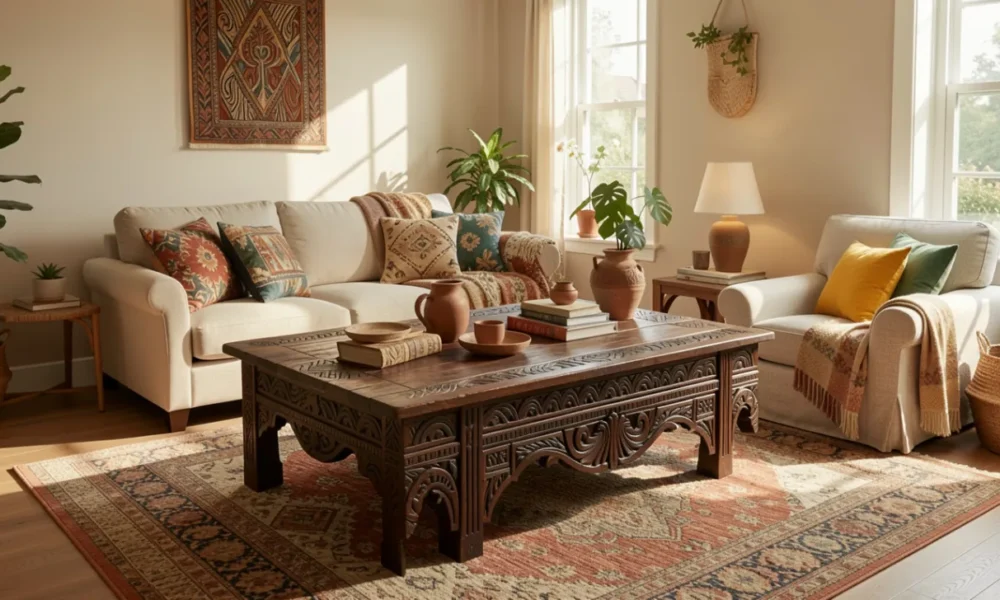
The term “exotic home furniture” generally refers to pieces that draw inspiration from diverse cultures, regions, and traditional craftsmanship around the world. Unlike mass-produced items, these pieces often feature unique materials, distinctive construction techniques, and design elements that reflect a specific cultural heritage. For homeowners and design enthusiasts, incorporating such furniture can be a way to introduce character, texture, and a sense of global connection into a living space.
Table Of Content
- Defining Characteristics of Exotic Furniture
- Cultural Styles in Exotic Furniture
- African-Inspired Design
- Asian-Inspired Design
- Latin American-Inspired Design
- Common Materials and Their Care
- Incorporating Global Pieces into a Home
- Craftsmanship, Authenticity, and Sustainability
- Practical Examples of Integration
- Creating a Conversational Living Area
- Designing a Serene Bedroom Retreat
- Maintaining Exotic Furniture for Longevity
This guide provides an overview of exotic home furniture, exploring its common characteristics, the cultural styles it encompasses, the materials used in its construction, and practical considerations for selecting and caring for these pieces.
Defining Characteristics of Exotic Furniture
While the term “exotic” can be subjective, furniture in this category typically shares several common traits. These pieces often stand out due to their departure from conventional, mass-market designs. Key characteristics frequently include:
- Distinctive Craftsmanship: Many pieces are created using traditional, often hands-on techniques passed down through generations. This can include hand-carving, intricate joinery, or specialized weaving methods.
- Unique Materials: Designers and artisans often utilize materials that are native to specific regions, such as bamboo, rattan, certain hardwoods (like teak or mahogany), natural stone, or hand-woven textiles.
- Cultural Narrative: The designs, motifs, or forms of the furniture often carry cultural or historical significance, telling a story about the place and people from which they originate.
- Organic Textures: A focus on natural, unrefined textures is common, with materials often left in a state that highlights their inherent beauty, such as the grain of reclaimed wood or the weave of natural fibers.
Cultural Styles in Exotic Furniture
Furniture inspired by global cultures can be broadly grouped by region, though contemporary designs often blend elements from multiple sources. Understanding these stylistic origins can help in making informed choices.
African-Inspired Design
Furniture and decor from various African traditions are often characterized by a strong connection to natural materials and symbolic forms. Common features include:
- Materials: Dark, dense woods like ebony or mahogany, often left with a natural finish or carved in relief. Leather, hides, and hand-woven textiles such as kente cloth are also frequently used.
- Forms: Seating, stools, and headrests may feature sculptural, abstract forms. Surface decoration often includes geometric patterns or stylized figures with cultural or spiritual meaning. The overall aesthetic tends toward the bold and earthy.
Asian-Inspired Design
This category is vast, encompassing traditions from regions like China, Japan, and Southeast Asia. Common threads include an appreciation for simplicity, natural materials, and careful proportion.
- Japanese Influence: Characterized by minimalism, clean lines, and a preference for natural, low-slung forms. Materials like light-colored woods, bamboo, rice paper (used in shoji screens), and tatami mats are typical. The focus is on creating a sense of calm and uncluttered space.
- Chinese Influence: Often features more ornate details, rich lacquer finishes in deep reds or blacks, and intricate inlay work using mother-of-pearl or stone. Furniture may be constructed from elegant hardwoods and feature symbolic motifs like dragons or clouds.
- Southeast Asian Influence: Draws on a wealth of natural resources like teak, rattan, and bamboo. Designs can range from the clean lines of modern Thai furniture to the more ornate, carved styles found in Balinese pieces, often intended for both indoor and covered outdoor use.
Latin American-Inspired Design
Furniture and crafts from Mexico, Central America, and South America are often celebrated for their vibrant colors and bold patterns.
- Materials and Techniques: A mix of indigenous and colonial influences is common. This includes carved and painted wood, ceramics, and intricate textiles. Woven goods, such as rugs, hammocks, and upholstery fabrics, frequently feature bright, contrasting colors and geometric or symbolic patterns.
- Aesthetic: The style often feels energetic and warm. Pieces can range from rustic, functional items to more formal, decorative furniture with painted motifs.
Common Materials and Their Care
The materials used in exotic furniture are central to their appeal and require specific care to ensure longevity.
| Material | Typical Characteristics | General Care Guidelines |
|---|---|---|
| Bamboo | Lightweight, durable, sustainable, with a distinct linear grain. | Dust regularly with a soft cloth. Clean with a damp (not wet) cloth and mild soap if needed. Avoid prolonged exposure to direct sunlight and excessive moisture to prevent cracking or mold. |
| Rattan | A vine-like palm, flexible and strong, often woven. Has a natural, warm texture. | Dust frequently using a soft brush attachment on a vacuum or a gently stiff brush. Wipe with a damp cloth for deeper cleaning. Keep away from direct heat sources to prevent drying and brittleness. |
| Reclaimed Wood | Each piece has a unique appearance with signs of its previous life (nail holes, varied grain, weathering). Environmentally sustainable. | Dust with a soft, dry cloth. Avoid harsh chemical cleaners. Occasionally, a specialized wood oil or wax can be applied to maintain the finish and prevent the wood from drying out, depending on its sealant. |
| Natural Stone | Materials like marble, granite, or onyx add a luxurious, cool element. Each slab is unique. | Clean with a soft, damp cloth and a pH-neutral stone cleaner. Immediately wipe up spills, especially acidic ones like citrus or wine, to prevent etching. Seal periodically as recommended for the specific stone type. |
| Leather | Develops a patina over time, adding warmth and character. Can be smooth or textured. | Dust regularly with a soft cloth. Clean with a slightly damp cloth for minor marks. Condition with a specialized leather cream every 6-12 months to keep it supple and prevent cracking. Keep out of direct sunlight. |
Incorporating Global Pieces into a Home
Successfully integrating exotic furniture involves more than simply purchasing a single item. It requires consideration of the existing space to create a cohesive and balanced environment.
- Assess the Space and Existing Decor: Consider the room’s size, color palette, and overall style. A large, heavily carved cabinet might overwhelm a small, minimalist room, while a delicate bamboo side table could be lost in a large, open-plan space. The goal is for the new piece to complement, not compete with, its surroundings.
- Create a Focal Point: A single, striking piece, such as an African-inspired carved console table or an Asian-style platform bed, can serve as an anchor for a room. Other elements can then be chosen to support and harmonize with this central item.
- Balance Proportions and Color: If an exotic piece features bold colors or intricate patterns, balance it with neutral walls and simpler furnishings. For example, vibrant Latin American textiles can be used as accent pillows on a solid-colored sofa. A dark wood African stool can provide contrast in a light-filled, airy room.
- Mix Styles Intentionally: Eclectic interiors can be very successful when pieces are mixed with intention. A common approach is to pair one or two exotic items with modern, minimalist furniture. This creates a curated look where each piece is clearly visible and appreciated. Avoid overcrowding a space with too many competing cultural elements.
- Consider Functionality: Ensure the piece meets a practical need. A hand-carved trunk can serve as both a coffee table and storage. A set of woven rattan armchairs should be comfortable for seating. The piece should be both beautiful and useful.
Craftsmanship, Authenticity, and Sustainability
The value of exotic furniture is often tied to its craftsmanship and origin. Many pieces are made by skilled artisans using traditional methods. For consumers interested in these aspects, several points are worth considering.
- Understanding Craftsmanship: Look for signs of quality handmade construction, such as precise joinery, smoothly finished carvings, and even weaving. Inquiring about the production process can provide insight into the skill and time involved.
- Assessing Authenticity: When a piece is described as authentic or traditional, it is helpful to research the specific designs, materials, and techniques of that culture. Reputable sellers should be able to provide information about an item’s origin and how it was made.
- Sustainability Considerations: The sourcing of materials, particularly wood, is an important factor. Reclaimed wood is an inherently sustainable choice. For new wood, certifications like those from the Forest Stewardship Council (FSC) can indicate responsible forestry. Purchasing pieces that support traditional artisan communities can also contribute to sustainable economic practices.
Practical Examples of Integration
To illustrate how these principles can be applied, consider these two scenarios.
Creating a Conversational Living Area
Imagine a living room with neutral walls and simple, modern furniture. Introducing a large, hand-woven wool rug from Morocco with a geometric pattern can instantly add warmth and define the seating area. On a low, modern coffee table, a collection of small, carved wooden figurines from different regions can serve as a personal and subtle display of global art. The room remains clean and modern but gains layers of texture and cultural interest.
Designing a Serene Bedroom Retreat
In a bedroom aiming for a calm atmosphere, the choice of materials is key. A low platform bed made of sustainably sourced teak can establish a grounded, organic feel. Replacing standard closet doors with sliding shoji screens (using traditional lattice and modern materials) can introduce soft, diffused light and a sense of Japanese simplicity. The color palette can be kept to whites, beiges, and natural wood tones, allowing the textures to provide the primary visual interest.
Maintaining Exotic Furniture for Longevity
Preserving the beauty of exotic furniture requires ongoing, appropriate care. The table provided earlier offers general guidelines, but a few overarching principles apply.
- Prevention is Key: Protect furniture from direct sunlight, which can fade finishes and dry out natural materials. Maintain stable indoor humidity and temperature levels to prevent wood from warping or rattan from becoming brittle. Use coasters, placemats, and felt pads to protect surfaces from heat, moisture, and scratches.
- Clean Gently and Regularly: Regular dusting with a soft, lint-free cloth prevents the buildup of grit that can scratch surfaces. For cleaning, always use the mildest method first—usually just a slightly damp cloth. Avoid harsh chemicals, abrasive cleaners, and excessive water.
- Condition as Needed: Materials like wood and leather benefit from periodic conditioning with appropriate oils or creams. This helps maintain their moisture balance, prevents cracking, and can enhance their natural luster. The frequency depends on the material and the environment.
By understanding the origins, materials, and design principles associated with exotic home furniture, individuals can make thoughtful choices that add depth, narrative, and a distinctive personal aesthetic to their living spaces. These pieces offer more than just function; they serve as a connection to global artistry and a celebration of diverse cultural traditions.