

Food Photography Tips for Instagram: A Complete Guide
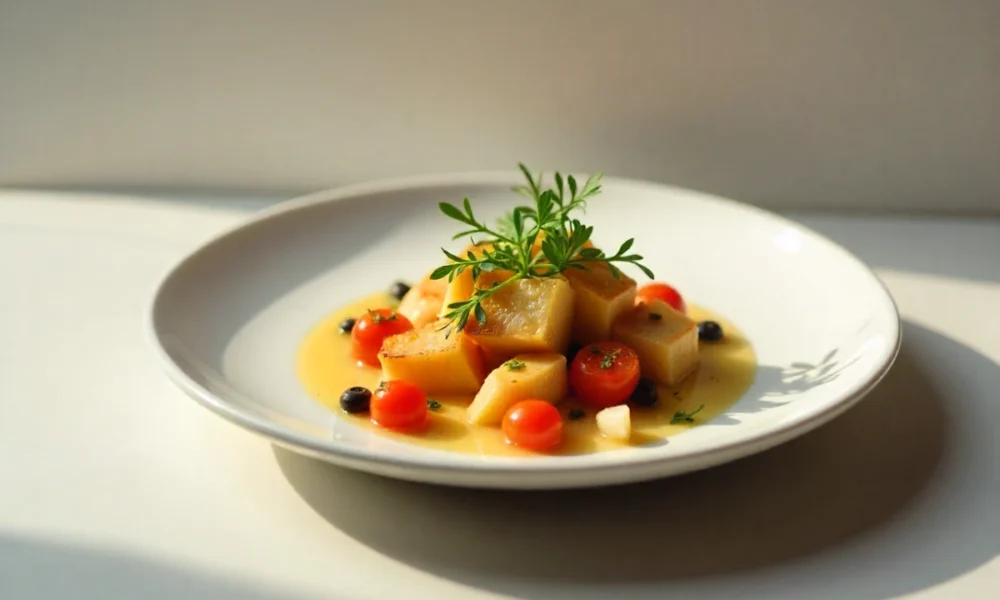
Food photography captures culinary creations in visually appealing photographs. With the popularity of social media platforms like Instagram, sharing attractive images of food and drink has become a way to connect with audiences, promote brands, or document your cooking.
Table Of Content
- What is Food Photography?
- Why Instagram-Worthy Shots?
- What Makes a Good Food Photo?
- Mastering the Light
- Natural Light is Your Best Friend
- Playing with Artificial Light
- Composition Magic
- The Rule of Thirds
- Angles and Perspectives
- Depth and Dimension
- Styling the Scene
- Props and Backdrops
- Food Styling Techniques
- Color Harmony
- Capturing the Moment
- Camera Settings
- Action Shots and Movement
- Working Efficiently
- Post-Processing Perfection
- Editing Software Basics
- Enhancing Colors and Textures
- Adding Finishing Touches
- Conclusion
- FAQs
- What type of camera and lenses work best?
- How can I prevent food from looking dull or shiny in photos?
- What editing software for Mac or PC do you recommend?
- How many images should I take to get one good photo?
- What are the most important things I should keep in mind?
- Can I create good food photos without expensive equipment or training?
Learning a few core techniques can improve your photos significantly, whether you’re using a smartphone or a professional camera.
What is Food Photography?
Food photography involves styling, shooting, and editing images of food and drink to highlight textures and colors. You’ll need to understand how lighting affects your subject, how to arrange elements in the frame, and how post-processing can enhance the final result. The goal is to capture dishes in a way that conveys visual appeal.
Why Instagram-Worthy Shots?
Instagram’s visual format makes it well-suited for food photography. Creating photos tailored for this platform can help promote a restaurant, drive traffic to a recipe blog, or build connections with other food enthusiasts. The platform’s reach provides opportunities to share your work with a broad audience.
What Makes a Good Food Photo?
Good food photos combine three elements: appropriate lighting that shows true colors and textures, thoughtful composition that guides the viewer’s eye, and styling that presents food naturally without excessive props. You’ll also want to shoot when food looks fresh and edit to enhance rather than transform the original image.
Mastering the Light
Lighting determines how colors, textures, and shapes appear in your photos. Understanding both natural and artificial light sources will give you control over the final result.
Natural Light is Your Best Friend
Sunlight provides consistent, flattering illumination for food photography. Here’s how to use it effectively:
- Window Light: Position dishes near a large window for even, soft light. Place a whiteboard or foam core opposite the window to bounce light back and reduce shadows.
- Golden Hour: Photograph outdoors during the hour after sunrise or before sunset for warm, directional light that adds depth.
- Overcast Days: Cloud cover acts as a natural diffuser, creating soft light that works well for close-up shots.
- Reflectors & Diffusers: Use white boards to redirect light or sheer white fabric to soften harsh sunlight.
Playing with Artificial Light
Artificial sources let you shoot regardless of the weather or the time of day. Options include:
- Continuous Studio Lights: Softbox lights provide steady, controllable illumination. Position them at 45-degree angles from your subject for dimension.
- Creative Lighting: Backlighting can highlight steam or create rim lighting on glassware. Side lighting emphasizes texture in foods like bread or steak.
- LED & Flash: LED panels offer adjustable brightness and color temperature. If using flash, bounce it off a white ceiling or wall rather than pointing directly at food.
Light sources have different color temperatures that affect how food appears. Daylight reads as neutral, while tungsten bulbs create warm orange tones, and fluorescent lights can add green casts. Adjust your camera’s white balance setting to match your light source. When using multiple lights, match their color temperatures to avoid mixed lighting. Check your images as you shoot and fine-tune color balance during editing.
Composition Magic
Composition refers to how elements are arranged within your frame. These techniques help create balanced, engaging images:
The Rule of Thirds
Imagine your frame divided into a 3×3 grid. Placing your main subject along these lines or at their intersections typically creates more dynamic compositions than centering everything.
- Leading Lines: Use utensils, table edges, or napkins to create diagonal lines that draw attention to your subject.
- Negative Space: Leave empty areas around your food to give the image room to breathe and prevent a cluttered look.
Angles and Perspectives
Different angles serve different purposes:
- Overhead (90 degrees): Shows the full layout of a dish or multiple items arranged on a table. Works well for flat foods like pizza or pancakes.
- Flat Lays: Arrange ingredients or multiple dishes overhead for a graphic, organized look.
- 45-Degree Angle: This natural viewing angle works for most dishes and shows both the top and side of the food.
- Eye Level (0 degrees): Emphasizes height in layered foods like burgers or cakes.
Depth and Dimension
Create a sense of three-dimensionality in your photos:
- Shallow Depth of Field: Use wider apertures (lower f-numbers like f/2.8) to blur the background and make your subject stand out.
- Foreground Interest: Place items like utensils or ingredients partially in frame at the front to add layers.
- Background Choices: Simple, textured surfaces like wood or stone provide visual interest without competing with your subject.
Styling the Scene
Food styling enhances the natural appeal of dishes. The key is making food look fresh and appetizing without overdoing it.
Props and Backdrops
Choose supporting elements that complement rather than overwhelm:
- Dishes & Utensils: Select plates and cutlery that contrast with or complement your food’s colors. White plates work universally, while colored dishes can add character.
- Surfaces: Wood boards, marble slabs, or textured fabrics create appealing bases. Neutral tones are versatile, while colored backgrounds can establish a mood.
- Additional Props: Napkins, herbs, or raw ingredients can fill space and add context, but use them sparingly.
Food Styling Techniques
Make food look its best with these approaches:
- Sauces & Drizzles: Add sauces deliberately with a spoon or squeeze bottle for controlled placement and visual interest.
- Garnishes: Fresh herbs, citrus slices, or spices add color and suggest freshness. Apply just before shooting to prevent wilting.
- Layering & Height: Stack or arrange components to show different elements. Height adds visual interest to otherwise flat compositions.
Color Harmony
Choose props and backgrounds that work with your food’s natural colors. Use complementary colors (opposites on the color wheel) for contrast or analogous colors (neighbors on the wheel) for harmony. Avoid combining too many competing colors in one frame.
Capturing the Moment
Getting sharp, well-exposed images requires understanding your camera’s settings and working efficiently while the food looks fresh.
Camera Settings
These settings give you control over exposure and focus:
- Aperture Priority (A or Av mode): Set your aperture while the camera adjusts shutter speed. Use f/2.8 to f/5.6 for blurred backgrounds or f/8 to f/11 when you need more in focus.
- Shutter Priority (S or Tv mode): Control shutter speed for action shots. Use 1/500s or faster to freeze motion like pouring liquid.
- Manual (M mode): Set both aperture and shutter speed yourself when lighting is consistent, or you want full control.
- RAW Format: Shoot in RAW rather than JPEG to retain more information for editing.
Action Shots and Movement
Adding motion creates energy:
- Pouring Liquids: Capture honey drizzling, coffee pouring, or dressing being added. These shots require quick shutter speeds to freeze the action.
- Steam & Smoke: Shoot hot foods immediately to capture visible steam. Backlight helps make steam more visible.
- Hands in Frame: Including hands cutting, sprinkling, or arranging food adds human context and scale.
Working Efficiently
Food changes quickly once plated:
- Prepare Everything First: Set up lighting, camera settings, and props before bringing out the food.
- Work Quickly: Shoot immediately after plating. Ice cream melts, garnishes wilt, and sauces can separate or sink.
- Have Backups: Prepare extra portions or components in case you need multiple takes.
Post-Processing Perfection
Editing refines your images and corrects issues that occur during shooting. The goal is enhancement, not transformation.
Editing Software Basics
Most food photographers use Lightroom, Photoshop, or mobile apps like Snapseed:
- Cropping: Remove distractions and improve composition. Straighten horizons and align edges with the frame.
- Exposure Adjustments: Correct brightness using the exposure slider. Adjust shadows and highlights separately to recover detail.
- White Balance: Fine-tune color temperature to make food look natural. Warmer tones often appear more appetizing.
- Clarity & Texture: These sliders enhance detail in midtones without over-sharpening.
Enhancing Colors and Textures
Careful adjustments make food more appealing:
- Vibrance: Increases saturation in muted colors while protecting skin tones. This is preferable to the saturation slider, which affects all colors equally.
- Selective Color: Adjust specific color ranges using HSL (Hue, Saturation, Luminance) controls to fix color casts or enhance particular elements.
- Sharpening: Apply sharpening to define edges, but avoid overdoing it, which creates halos and noise.
- Contrast: Use curves or the contrast slider to add punch, but maintain detail in highlights and shadows.
Adding Finishing Touches
Final adjustments polish the image:
- Vignetting: Subtle darkening around edges can draw attention to the center, but heavy vignettes look dated.
- Spot Removal: Remove small distractions, such as crumbs or spots, that draw attention away from your subject.
- Graduated Filters: Darken or lighten specific areas to balance exposure across the frame.
Conclusion
Taking appealing food photos for Instagram involves understanding lighting, composition, styling, camera operation, and editing. Start with one or two techniques and add others as you become comfortable.
Your personal style will develop as you experiment with different approaches. Study photos you find effective, try new techniques, and learn from what works and what doesn’t. The combination of technical knowledge and creative vision takes time to develop.
You don’t need expensive equipment to start. Natural window light, simple props, and a smartphone camera are sufficient for learning the fundamentals. As your skills grow, you can expand your toolkit based on what you actually need.
FAQs
What type of camera and lenses work best?
Smartphones can produce good results, especially newer models with larger sensors. If using a DSLR or mirrorless camera, a 50mm lens works well for most situations. Wider lenses (24-35mm) capture full table scenes, while macro lenses show fine detail in close-ups.
How can I prevent food from looking dull or shiny in photos?
Position your light source at an angle rather than directly overhead to avoid harsh reflections. Diffuse natural light through sheer fabric if it’s too bright. For oily foods, blot excess moisture with a paper towel before shooting. Overhead angles can minimize visible shine.
What editing software for Mac or PC do you recommend?
Adobe Lightroom offers professional control with a reasonable learning curve. Photoshop provides more advanced options for complex edits. Free alternatives include GIMP (desktop) and Snapseed (mobile). Start with simpler tools and upgrade if you need more control.
How many images should I take to get one good photo?
Shoot multiple frames with slight variations in angle, composition, and focus point. Taking 20-30 shots is normal to capture a few strong options. Review images between rounds to catch issues like focus problems or composition adjustments while the food is still fresh.
What are the most important things I should keep in mind?
Prioritize three elements: appropriate lighting that shows true colors, clean composition that guides the eye to your subject, and food that looks fresh and natural. Working quickly prevents deterioration, and light editing enhances rather than transforms your image.
Can I create good food photos without expensive equipment or training?
Yes. Window light, basic props from your kitchen, and a smartphone camera provide everything you need to start. Food photography is accessible to anyone willing to practice. Professional equipment expands your options but isn’t required for learning fundamentals or creating appealing images.