

Understanding Positive Parenting: A Guide to Nurturing Strong, Resilient Children
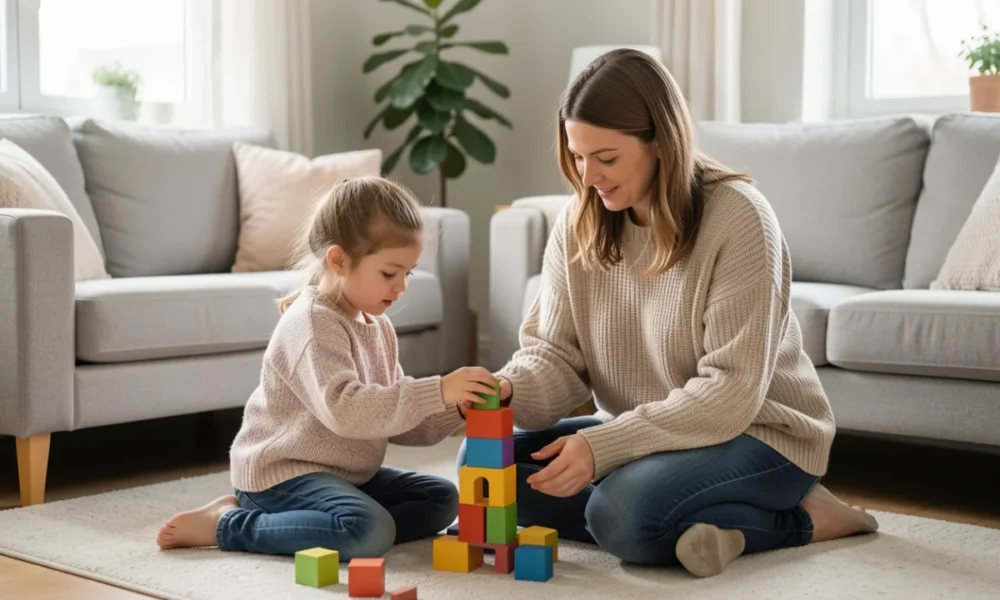
Positive parenting is a relationship-based approach that focuses on guiding children with empathy, respect, and clear boundaries. It moves beyond simply correcting misbehavior to actively nurturing a child’s strengths and emotional intelligence. This philosophy is grounded in the understanding that a strong, trusting connection is the foundation for raising confident, capable, and cooperative individuals.
Table Of Content
The core of this approach involves recognizing and reinforcing positive behaviors, showing warmth and empathy, and creating an environment that makes it easier for children to behave constructively. By focusing on a child’s developing skills and unique personality, parents can help them flourish. This guide explores the key principles of positive parenting and offers practical strategies for implementing them in daily family life.
Key Foundations of Positive Parenting
Positive parenting is built on several interconnected principles that prioritize the parent-child relationship and long-term development.
- Strength-Based Focus: This principle involves consciously shifting attention from what a child is doing wrong to recognizing and encouraging what they do well. This can include character traits like curiosity, kindness, and perseverance, as well as developing skills. This approach helps counteract a natural human tendency known as “negativity bias,” where we are wired to notice problems for survival, but which can be counterproductive in modern parenting.
- Empathy and Connection: At its heart, positive parenting is about striving to understand a child’s perspective and validating their feelings. This means asking what a child might be needing or feeling underneath a behavior—such as whether they are tired, bored, or overwhelmed—and responding with compassion. Building this connection requires dedicated, distraction-free time spent reading, playing, and talking together.
- Guidance Over Control: Instead of relying on punitive measures, this approach uses constructive discipline. The goal is to teach, not to punish. Strategies include using natural consequences, offering limited choices to encourage good decision-making, and calmly redirecting a child’s behavior. Parents act as a supportive guide or “ally,” helping children navigate problems and find positive solutions.
- Clear and Consistent Communication: Setting understandable limits and explaining the reasoning behind rules is crucial. Positive parenting emphasizes clear communication, using “I” statements to express how behaviors affect others, and actively listening to a child’s point of view. Consistency in follow-through helps children feel secure and understand expectations.
The Lasting Benefits for Children and Families
Research supports the wide-ranging benefits of a positive parenting approach for child development. Studies indicate it can lead to favorable social, emotional, behavioral, and cognitive outcomes.
For children, these benefits often include:
- Improved Social-Emotional Skills: Better ability to manage emotions, form relationships, and resolve conflicts.
- Reduced Behavioral Challenges: Lower instances of attention problems, hyperactivity, and aggression.
- Stronger Cognitive Development: Positive influences on language, play, and imitation skills, which can contribute to higher educational achievement later on.
- Greater Resilience: Enhanced ability to cope with stressful situations.
Parents also benefit from this approach. It can lead to lower stress levels, less parent-child conflict, and a deeper, more rewarding family connection. The focus on empathy and calm communication improves the overall emotional climate of the home.
Practical Strategies for Everyday Parenting
Implementing positive parenting involves concrete actions that reinforce its core principles.
- Catch Children Being Good: Make a conscious effort to praise positive behavior as it happens. Specific, labeled praise—such as, “Thank you for putting your shoes away so neatly”—is more effective than general compliments.
- Use Proactive and Preventive Tools: For young children, distraction and redirection are key tools. Anticipating potential conflicts and diverting a child’s attention to a different activity can prevent misbehavior. Establishing predictable routines also helps children feel secure and understand what is expected.
- Manage Your Own Emotions: A parent’s stress and anger can affect a child’s emotional state. It is important to recognize your own triggers. Stepping away to take deep breaths, asking for support, or managing your response helps you model the calm behavior you want to see in your child.
- Choose Your Battles: Not every misbehavior requires a major intervention. Clinical psychologists sometimes suggest having a “misdemeanor quota,” where parents prioritize addressing significant issues and let minor, attention-seeking behaviors pass without comment. This ensures the majority of daily interactions remain positive.
Positive Parenting in Modern and Complex Family Situations
The principles of positive parenting can be successfully adapted to various modern family structures, often with the aid of new tools and community resources.
- Co-Parenting and Blended Families: For parents living separately, maintaining consistency and reducing conflict is paramount. Dedicated co-parenting apps can provide a neutral framework for communication. These tools often feature shared calendars for schedules, secure and documented messaging to avoid “he said/she said” disputes, and expense trackers. Some apps even include tone-checkers to help keep communication respectful and child-focused. The key is to present a united front as much as possible and ensure children do not feel caught in the middle.
- Parenting Children with Special Needs: Parents of children with developmental delays, disabilities, or special healthcare needs can find invaluable support through specific organizations. Family-to-Family Health Information Centers (F2Fs) are family-led organizations in every state that offer guidance and peer support. Regional Centers (in some states like California) provide assessments, service coordination, and access to early intervention programs for young children. Connecting with these resources and other parents on similar journeys through support groups can provide essential information, emotional backing, and advocacy training.
- Adapting to Different Ages and Stages: A toddler’s needs differ vastly from a teenager’s. Authoritative sources like the CDC provide specific positive parenting tips tailored to each developmental stage, from infants to teenagers. The core principles of connection, empathy, and clear guidance remain constant, but their application evolves as a child grows more independent.
Positive parenting is a compassionate and evidence-informed framework for raising children. It emphasizes building a lifelong, trusting relationship through empathy, clear communication, and respectful guidance. While the journey requires patience and self-awareness, the rewards—children who feel secure, valued, and equipped to handle life’s challenges—are profound. Parents are encouraged to explore the principles, implement strategies that resonate with their family, and seek out community resources for support along the way.