

Complete Guide to Roof Maintenance | Protect Your Investment Year-Round
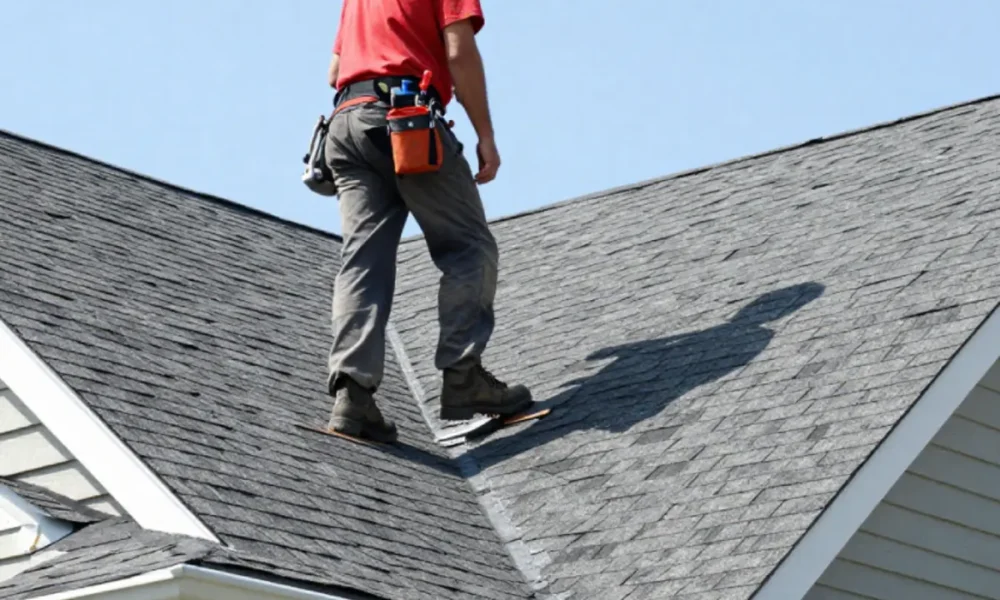
Your roof represents one of your home’s most significant structural investments, typically accounting for 15-30% of a property’s total value. Regular maintenance extends its functional lifespan, prevents expensive emergency repairs, and protects everything beneath it.
Table Of Content
- Why Roof Maintenance Matters
- Common Roof Problems
- Essential Maintenance Tasks
- Conduct Visual Inspections
- Maintain Drainage Systems
- Address Minor Repairs Promptly
- Material-Specific Maintenance
- Asphalt Shingle Roofs
- Metal Roofing
- Tile and Slate Roofs
- Flat or Low-Slope Roofs
- Seasonal Maintenance Considerations
- Professional vs. DIY Maintenance
- Warning Signs Requiring Immediate Attention
- Cost Considerations
- Warranty Preservation
- Building Your Maintenance Schedule
- Conclusion
Most residential roofs last 15-50 years depending on materials, but this longevity depends entirely on consistent care. Without proper maintenance, even premium roofing materials fail prematurely.
This guide covers essential maintenance practices, seasonal strategies, and warning signs that help homeowners preserve their roofs effectively.
Why Roof Maintenance Matters
Roof maintenance serves three primary purposes: prevention, preservation, and cost control.
Prevention means identifying minor issues before they become major problems. A small crack sealed today prevents water intrusion that could compromise insulation, framing, and interior spaces.
Preservation extends material lifespan. Roofing materials deteriorate naturally through UV exposure, temperature fluctuations, and moisture cycles. Maintenance slows this degradation.
Cost control matters significantly. Industry data suggests routine maintenance costs roughly 1-3% of replacement costs annually, while preventing failures that could require full replacement.
Common Roof Problems
Understanding typical roof issues helps homeowners recognize what to look for during inspections.
Weather damage occurs through multiple mechanisms. Wind lifts or tears shingles, creating entry points for moisture. Hail impacts create bruises or punctures in shingles, though damage may not appear immediately. Heavy snow loads stress structural components.
Water-related issues represent the most common failure mode. Ponding water on flat or low-slope sections accelerates material breakdown. Ice dams in cold climates force water under shingles. Inadequate drainage systems allow water to infiltrate roof edges and valleys.
Material deterioration happens gradually. Asphalt shingles lose protective granules, exposing the underlying mat to UV damage. Metal roofing develops corrosion at fasteners or panel edges. Tile and slate crack from thermal expansion cycles.
Biological growth including moss, algae, and lichen retains moisture against roofing surfaces, accelerating decay. This growth appears most commonly on north-facing slopes with limited sun exposure.
Structural concerns like sagging indicate underlying problems with decking or framing, often from prolonged moisture exposure or inadequate support.
Essential Maintenance Tasks
Effective roof maintenance follows a systematic approach addressing key vulnerability points.
Conduct Visual Inspections
Inspect your roof at least twice yearly—spring and fall—plus after significant storms.
From ground level, examine:
- Missing, curled, or damaged shingles
- Sagging areas or visible dips
- Debris accumulation in valleys
- Flashing condition around chimneys and vents
From roof level (if safely accessible), check:
- Shingle attachment security
- Sealant condition around penetrations
- Flashing integrity at transitions
- Granule loss on asphalt shingles
Attic inspections reveal interior signs of problems:
- Water stains on decking or rafters
- Daylight visible through roof boards
- Insulation moisture or compression
- Inadequate ventilation
Maintain Drainage Systems
Gutters and downspouts require regular attention to function properly.
Clean gutters and downspouts twice yearly minimum, more frequently if surrounded by trees. Clogged gutters overflow, directing water against fascia boards and potentially into wall cavities.
Verify proper slope toward downspouts. Gutters should pitch approximately 1/4 inch per 10 feet to ensure water flows efficiently.
Check downspout discharge points. Water should drain at least 5-10 feet from foundation walls to prevent basement moisture issues.
Install gutter guards if debris accumulation becomes excessive, though these require periodic cleaning as well.
Address Minor Repairs Promptly
Small problems become large expenses when ignored.
Replace individual damaged shingles immediately. Most shingle types can be individually replaced without affecting surrounding materials.
Seal minor flashing gaps with appropriate roofing sealant. Different roofing materials require specific sealant types for proper adhesion and flexibility.
Trim overhanging branches that scrape roofing surfaces or deposit excessive debris. Maintain 6-10 feet clearance to prevent damage and reduce biological growth.
Secure loose flashing around chimneys, vents, and skylights. Flashing failures account for a significant portion of roof leaks.
Material-Specific Maintenance
Different roofing materials require tailored maintenance approaches.
Asphalt Shingle Roofs
Check for granule loss in gutters and downspouts, indicating shingle aging. Moderate granule shedding occurs normally for the first year on new roofs, but accelerated loss suggests problems.
Inspect for curling or cupping shingles, which compromise waterproofing. Replace affected sections promptly.
Verify sealant strips have properly bonded, particularly on newer installations. Unsealed shingles lift easily in wind.
Metal Roofing
Examine fasteners for backing out or corrosion. Metal roofs expand and contract significantly, sometimes loosening fasteners over time.
Check panel seams and overlaps for gaps or separation. Proper overlap maintains waterproofing integrity.
Address surface scratches or coating damage quickly to prevent rust progression on steel panels.
Tile and Slate Roofs
Inspect for cracked or broken tiles requiring replacement. Walk carefully if accessing these roofs directly, as tiles break under concentrated weight.
Check mortar or underlayment condition where visible. These materials often require renewal before tiles themselves fail.
Verify tiles remain properly secured. Wind can shift inadequately fastened tiles.
Flat or Low-Slope Roofs
Monitor for ponding water that remains 48+ hours after rain. Persistent ponding indicates drainage inadequacy requiring correction.
Inspect membrane seams and flashings for separation or blistering. These roofs depend entirely on continuous waterproof membranes.
Check drain openings and scuppers for blockages that impede water removal.
Seasonal Maintenance Considerations
Seasonal changes create specific maintenance needs.
Spring focuses on winter damage assessment. Inspect for ice dam damage, loose or missing shingles from wind, and gutter system integrity. Clean debris accumulated over winter.
Summer offers optimal repair conditions. Address issues identified during spring inspection. Trim vegetation before fall. Verify attic ventilation adequacy during peak heat.
Fall prepares roofs for winter. Clean gutters thoroughly before leaves finish falling. Inspect flashing and sealants. Ensure proper attic insulation and ventilation to prevent ice dams.
Winter limits safe roof access in many climates. Monitor for ice dam formation. Remove excessive snow accumulation if loads become concerning (consult professionals for safe removal). Watch for interior signs of problems.
Professional vs. DIY Maintenance
Homeowners can safely perform many maintenance tasks, but some situations require professional expertise.
Safe DIY tasks include:
- Ground-level visual inspections
- Gutter cleaning with proper ladder safety
- Trimming nearby vegetation
- Monitoring attic conditions
- Documenting changes over time
Professional services recommended for:
- Steep-slope roof access (above 6/12 pitch)
- Structural repairs
- Flashing replacement or modification
- Comprehensive damage assessment after storms
- Multi-story buildings
- Any situation where safety is questionable
Professional inspections provide value even for maintenance-capable homeowners. Experienced roofers identify subtle issues easily missed by untrained observers. Consider professional inspections every 3-5 years minimum, or annually for roofs over 15 years old.
Warning Signs Requiring Immediate Attention
Certain indicators demand prompt professional evaluation.
Interior signs:
- Active leaks or water stains
- Sagging ceiling areas
- Mold or mildew smell in attic spaces
- Increased energy costs suggesting insulation compromise
Exterior signs:
- Widespread shingle damage across multiple areas
- Significant granule loss creating bare spots
- Visible daylight through roof boards from attic
- Flashing separation at critical junctions
- Sagging roof lines
Age-related concerns:
- Roofs approaching expected lifespan limits
- Multiple repair areas appearing simultaneously
- Neighboring homes requiring replacement (similar age/exposure)
Cost Considerations
Understanding maintenance costs helps with budgeting and decision-making.
Annual maintenance costs typically run $300-$600 for professional services on average-sized homes, including inspection and minor repairs. DIY approaches reduce costs significantly but require time investment and appropriate safety equipment.
Repair costs vary widely based on issue severity. Minor repairs (replacing several shingles, sealing small flashing gaps) cost $200-$500. Moderate repairs (section replacement, flashing renewal) run $500-$2,500. Major repairs approach or exceed $5,000.
Replacement costs provide context for maintenance value. Full roof replacement averages $5,000-$25,000+ depending on size, materials, and complexity. This makes maintenance’s cost-benefit ratio extremely attractive.
Warranty Preservation
Many roofing warranties require documented maintenance to remain valid.
Review warranty terms to understand specific requirements. Most manufacturers specify periodic professional inspections and proper maintenance as conditions.
Keep detailed maintenance records including:
- Inspection dates and findings
- Repairs performed with dates
- Professional service invoices
- Photographs documenting condition over time
This documentation proves compliance with warranty terms and provides valuable information for future buyers if selling your property.
Building Your Maintenance Schedule
Create a personalized maintenance calendar based on your roof type, climate, and property characteristics.
Monthly: Conduct quick visual inspection from ground level after severe weather.
Quarterly: Check gutters, trim nearby vegetation, inspect from attic for interior signs of problems.
Bi-annually: Clean gutters thoroughly, perform detailed visual inspection, document condition with photos.
Annually: Consider professional inspection, address any deferred maintenance items, update maintenance records.
Every 3-5 years: Professional comprehensive inspection, particularly as roof ages.
Adjust this schedule based on local conditions. Properties surrounded by trees require more frequent attention. Severe climate zones may warrant additional seasonal preparations.
Conclusion
Roof maintenance represents a small ongoing investment that prevents large unexpected expenses while extending your roof’s functional life significantly. Regular inspections, timely minor repairs, and awareness of material-specific needs keep roofs performing optimally for decades.
Most maintenance tasks require minimal technical expertise, making homeowner participation practical and cost-effective. Knowing when to engage professionals ensures safety and addresses complex issues properly.
A well-maintained roof protects your home’s structure, contents, and occupants while preserving property value. The time and resources invested in consistent maintenance return multiples in avoided costs and extended material lifespan.