

Styling Options and Haircuts for a Receding Hairline
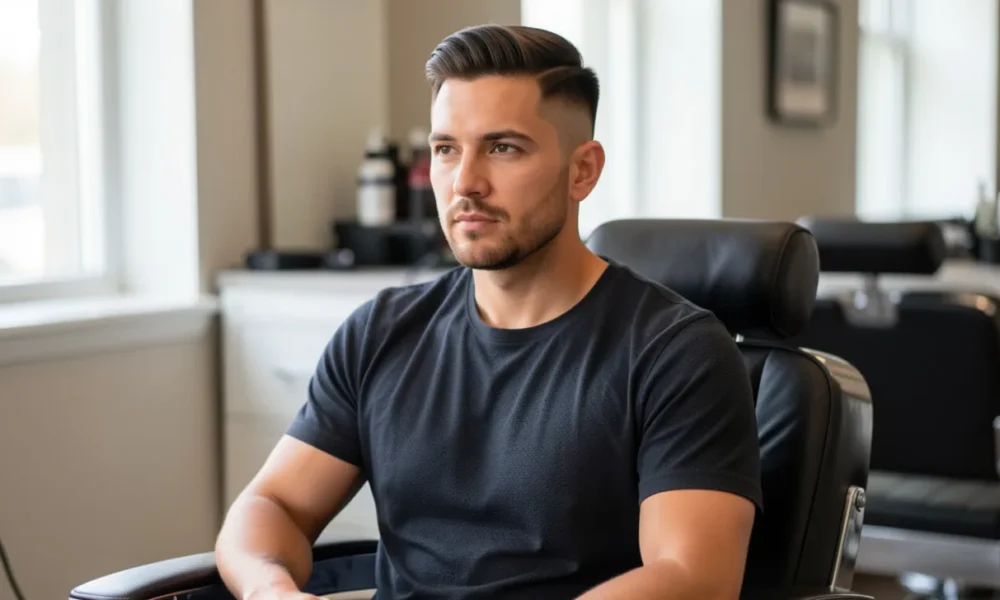
A receding hairline is a common experience for many men as they age. While it is a natural process, it often prompts a search for new hairstyles that feel both comfortable and appropriate. The right haircut can work with your hairline, not against it, creating a balanced and intentional look.
Table Of Content
- Understanding the Receding Hairline
- Factors to Consider Before Choosing a Cut
- Short and Uniform Styles
- The Buzz Cut
- The Crew Cut
- Styles with Texture and Length on Top
- The Textured Crop
- The Side Part
- The Slicked Back
- The Caesar Cut
- Embracing the Bald Look
- Styling Tips and Product Use
- Working with a Barber
The goal is not to hide, but to find a style that suits your current hair growth pattern and personal aesthetic. This article outlines several established haircut options, explaining why they complement a receding hairline and what to consider when choosing your next style.
Understanding the Receding Hairline
A receding hairline is typically one of the first signs of male pattern baldness, a condition influenced by genetics and hormones. The hairline gradually moves backward, often starting at the temples, creating a more pronounced “M” shape.
Choosing a haircut that works with this change is about proportion and focus. Styles that are too long can draw attention to thinner areas, while very short, uniform cuts can simplify the hairline and create a cleaner, more deliberate frame for the face.
Factors to Consider Before Choosing a Cut
Before selecting a style, it is helpful to consider a few key personal factors. A haircut that works well for one person may not be ideal for another, even with a similar hairline.
- Current Hair Density: Assess not just the hairline, but the overall thickness of your hair. Some styles, like textured crops, rely on sufficient density to create volume.
- Hair Texture: Fine hair may lie flat, while coarse or curly hair can add natural volume. Your texture will influence how a particular cut looks and how easy it is to style.
- Face Shape: The goal is to create balance. A haircut can add width to a long face or soften the angles of a square jaw. A professional barber can provide specific advice based on your facial structure.
- Maintenance Preference: Some cuts require frequent trims every few weeks to maintain their shape (like fades), while others are more forgiving.
Short and Uniform Styles
Short, uniform haircuts are a reliable category for a receding hairline because they remove length, which can make thinning more apparent. By keeping everything short, the focus shifts from the hairline to the overall shape of the head and the cleanliness of the cut.
The Buzz Cut
The buzz cut is a practical choice where all hair is clipped to a single, short length using electric clippers. This style eliminates the contrast between areas of fuller and thinner hair, creating a consistent texture across the scalp. It is low-maintenance and projects a sense of confidence by embracing a minimalist look. The even length helps to visually soften the transition at the hairline.
The Crew Cut
A crew cut features hair that is slightly longer on the top than on the sides and back, with a short taper. The top hair is typically styled forward or left natural. This classic cut adds a small amount of visual weight to the top of the head, which can balance a receding hairline without trying to conceal it. The short sides keep the overall look neat and structured.
Styles with Texture and Length on Top
For those who prefer to keep some length on top, textured styles can be effective. They use layering and product to create volume, which draws the eye upward and away from the hairline.
The Textured Crop
The textured crop is characterized by short, choppy layers on top with closely cropped sides and back. The texture on top creates an impression of fullness and movement. Because the hair is not combed straight back or to the side heavily, it avoids exposing the hairline directly. This style is contemporary and works well with a variety of hair types.
The Side Part
A side part creates a strong horizontal line that can divert attention from a vertical hairline recession. By parting the hair on one side and allowing the larger section to sweep across the forehead, the style adds structure. This works best when the hair on top has enough density to create a defined part. Combining the side part with a fade on the sides keeps the style modern and balanced.
The Slicked Back
The slicked-back style involves combing the hair directly back from the forehead. This is a bold choice that, rather than hiding the hairline, frames it as a deliberate part of a sophisticated look. It requires some length on top and the use of a styling product for hold and shine. This style is best suited for those who are comfortable with their hairline and want a polished, classic appearance.
The Caesar Cut
The Caesar cut features short, horizontally layered hair with a fringe of short bangs that rests forward on the forehead. The forward motion of the bangs helps to obscure the exact line of recession. The cut is kept uniformly short all around, which gives it a clean, historical feel that remains functional for modern wear.
Embracing the Bald Look
For many, the most straightforward and empowering option is to remove the hair entirely. Shaving the head with a razor creates a completely smooth, uniform appearance. This choice eliminates the concept of a hairline, replacing it with a defined, intentional silhouette. It is a low-maintenance, timeless look that places the focus squarely on the face and bone structure.
Styling Tips and Product Use
The right styling products can enhance the haircut you choose. The key is to use products that support the style without making the hair appear greasy or flat.
- For Textured Styles: A light matte paste or clay can be worked through the top to separate layers and add volume.
- For Slicked Back Styles: A pomade or gel provides the hold and shine needed to keep hair in place.
- For Side Parts: A medium-hold cream or fiber can help define the part and keep the hair in place without stiffness.
Working with a Barber
A skilled barber is an invaluable resource. They can assess your hair growth pattern, face shape, and hair texture to recommend specific variations of the styles mentioned. Clear communication is important. You can show reference photos and ask for their professional opinion on what will work best with your hairline and daily routine. A good barber will help you select a cut that looks great at the time of the appointment and continues to look good as it grows out.