

Harolyn Suzanne Nicholas: The Untold Story of Dorothy Dandridge’s Daughter
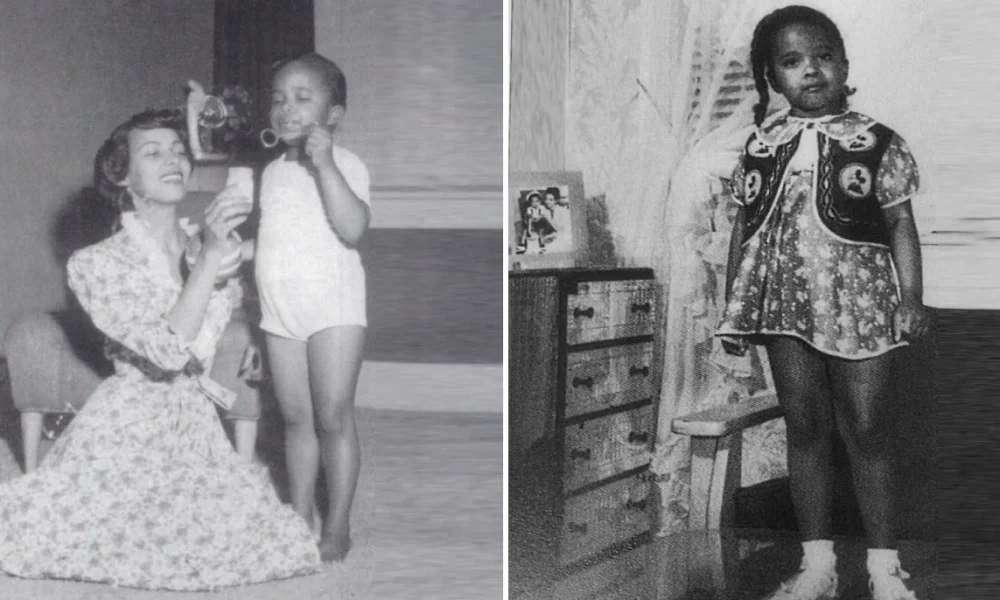
Harolyn Suzanne Nicholas lived a life marked by tragedy and challenges far removed from Hollywood’s spotlight. Born to legendary actress Dorothy Dandridge and tap dancer Harold Nicholas in 1943, she became a central figure in one of Hollywood’s most heartbreaking stories.
Table Of Content
- Who Was Harolyn Suzanne Nicholas?
- Early Years and Parental Challenges
- Understanding Cerebral Anoxia
- Dorothy’s Career and Financial Struggles
- Institutionalization at Camarillo State Hospital
- Dorothy’s Death and Harolyn’s Later Years
- The Question of Harolyn’s Death
- Notable Quotes
- Legacy and Historical Context
- Conclusion
Her life reveals the struggles faced by families dealing with severe disabilities during the 1940s through 1960s—a time when support systems were limited, and stigma ran deep. From birth complications in Los Angeles to decades spent in California state institutions, Harolyn’s story intertwines with her mother’s celebrated career and personal struggles.
Who Was Harolyn Suzanne Nicholas?
Harolyn Suzanne Nicholas was born on September 2, 1943, in Los Angeles, California. She was the only child of Dorothy Dandridge, a groundbreaking African American actress and singer, and Harold Nicholas, one-half of the famous tap-dancing duo the Nicholas Brothers, alongside his brother Fayard Nicholas.
The circumstances surrounding Harolyn’s birth were fraught with difficulty. On the day Dorothy went into labor, Harold took their car to play golf, leaving his wife at her sister-in-law’s house. When the contractions intensified, Dorothy wanted to wait for Harold’s return before going to the hospital. Eventually, they had to use a neighbor’s car to get to the hospital.
The delayed birth and difficult delivery required the use of forceps. This resulted in cerebral anoxia—a condition where the brain doesn’t receive adequate oxygen. The oxygen deprivation caused permanent brain damage that would affect Harolyn for the rest of her life. Dorothy blamed herself for the delay, a guilt she carried until her death.
| Attribute | Details |
|---|---|
| Full Name | Harolyn Suzanne Nicholas |
| Birth Date | September 2, 1943 |
| Reported Death | 2003 (unconfirmed) |
| Parents | Dorothy Dandridge (mother), Harold Nicholas (father) |
| Half-Sibling | Melih Nicholas (died 2003) |
| Medical Condition | Cerebral anoxia leading to severe brain damage |
| Developmental Level | Mentality of approximately four years old |
| Known Institutions | Camarillo State Hospital, Metropolitan State Hospital (Lanterman) |
| Mother’s Career Impact | Dorothy Dandridge’s career was significantly affected by caregiving responsibilities |
| Father’s Role | Member of the Nicholas Brothers; abandoned family, refused financial support |
| Public Disclosure | Dorothy discussed Harolyn’s condition on The Mike Douglas Show (1963) |
Early Years and Parental Challenges
For the first two years, Harolyn appeared to be developing normally. However, by age two, Dorothy noticed concerning signs. While other children of Harolyn’s age were speaking, she remained silent. Worried parents reassured Dorothy, saying, “Einstein didn’t talk until he was six years old because he was a genius.”
Dorothy consulted child psychoanalysts who initially suggested that she and Harold, who both traveled frequently for work, had inflicted psychological damage on their daughter through neglect. This assessment added to Dorothy’s mounting guilt.
A brain scan eventually confirmed the devastating truth. A doctor told Dorothy: “Mrs. Nicholas, your daughter has brain damage. The best thing for you to do is give her up and have another.” Dorothy refused to abandon her daughter.
Harold Nicholas, meanwhile, was often absent from the family. By 1948, he had largely abandoned Dorothy and Harolyn. He traveled to Europe, particularly Paris, where he felt Black people were treated as equals. When Dorothy wrote to him about Harolyn’s condition, he responded only once, informing her that he planned to stay in Paris and clarifying that she should not expect any financial support.
Dorothy filed for divorce in 1950 after eight years of marriage. She became Harolyn’s sole caregiver while trying to maintain her career. Ruby Dandridge, Dorothy’s mother, also helped care for Harolyn during this period.
Understanding Cerebral Anoxia
The cerebral anoxia Harolyn suffered at birth caused severe and permanent brain damage. Dorothy explained on The Mike Douglas Show in 1963: “She has no conception of time. She doesn’t even know that I’m her mother. She only knows that she likes me and I like her, and she feels warmth and that I’m a nice person.”
Harolyn never developed the ability to speak coherently, recognize her parents, or care for herself independently. Regardless of her age, she maintained the mental capacity of a four-year-old child. The condition affected every aspect of her development, from cognitive abilities to motor skills.
Care facility workers who knew Harolyn in her later years noted that she seemed to respond positively to music, perhaps reflecting her parents’ musical talents. One worker reportedly said, “She always seemed to perk up when music was playing. You could see a spark in her eyes.”
Dorothy’s Career and Financial Struggles
Dorothy Dandridge’s film career reached its peak in 1954 when she starred in Carmen Jones. Her performance made her the first African American woman nominated for an Academy Award for Best Actress. She lost to Grace Kelly for The Country Girl. The film also marked the beginning of a four-year affair with director Otto Preminger, who advised her to accept only starring roles—advice Dorothy later regretted.
During the affair, Dorothy became pregnant with Preminger’s child in 1955 but was forced by the studio to have an abortion. She ended the relationship when she realized Preminger had no plans to leave his wife.
Dorothy’s need to provide expensive private care for Harolyn drove many of her career decisions. She often turned down roles or cut short promotional tours to be with her daughter. The constant financial pressure was immense.
In 1959, Dorothy married Jack Denison, a Hollywood nightclub owner. The marriage proved disastrous. Denison mismanaged Dorothy’s finances and was allegedly physically abusive. When they divorced in 1962, Dorothy discovered that people handling her finances had swindled her out of $150,000. She also owed $139,000 in back taxes.
Dorothy filed for bankruptcy in 1963. Unable to afford private care for Harolyn any longer, she faced the most painful decision of her life.
Institutionalization at Camarillo State Hospital
In 1963, Dorothy placed Harolyn in Camarillo State Hospital, a California state mental institution in Ventura County. The decision devastated Dorothy. “On the outside, I said to myself, ‘I’ve had it, I’ll give her up,'” Dorothy later explained. “Inside, I never gave her up. It was I who began giving up.”
Camarillo State Hospital opened in 1936 and was at one point the largest mental hospital in the world. Harolyn’s placement there coincided with a difficult period in mental health care. The Community Mental Health Act was signed into law in 1963, beginning the slow process of deinstitutionalization, but reforms came too late for Harolyn.
Dorothy was forced to sell her Hollywood home. Shortly after placing Harolyn in state care, she suffered a breakdown. Despite the emotional toll, Dorothy visited Harolyn at the facility. Maria Cole, wife of singer Nat King Cole and Dorothy’s close friend, also reportedly visited Harolyn.
Dorothy rarely spoke publicly about her daughter. Her 1963 appearance on The Mike Douglas Show in Cleveland was one of the few times she discussed Harolyn’s condition openly. She was praised for bringing awareness to mental disabilities at a time when such topics were rarely discussed.
Dorothy’s Death and Harolyn’s Later Years
On September 8, 1965, just days after Harolyn’s 22nd birthday, Dorothy Dandridge was found dead in her small West Hollywood apartment. The official cause was an accidental overdose of prescription medication used to treat depression. She had just two dollars in her bank account.
Dorothy never recovered from the emotional and financial devastation of her circumstances. Her death left Harolyn without her primary advocate.
Camarillo State Hospital closed in 1997. Records suggest Harolyn may have been transferred to Metropolitan State Hospital (Lanterman) in Norwalk, California. Due to medical privacy laws and her status as a ward of the state, details about her later care remain scarce.
Harolyn’s half-brother, Melih Nicholas, was born in 1958 from Harold Nicholas’s subsequent relationship. Melih was married to Janice F. Stout and reportedly died in 2003.
The Question of Harolyn’s Death
The most widely circulated claim is that Harolyn died in 2003 at age 60. However, this date remains unconfirmed by any verifiable public obituary or government record. A 2014 online post claimed Harolyn was still alive at Metropolitan State Hospital (Lanterman), but this information has not been independently verified.
Harold Nicholas’s obituary in The Guardian in July 2000 stated he was survived by “a daughter and a son,” confirming Harolyn was alive at that time. Without primary source documentation, the 2003 death date should be treated as unconfirmed speculation.
When actress Halle Berry was filming the 1999 HBO biopic Introducing Dorothy Dandridge—for which she won Emmy, Golden Globe, and Screen Actors Guild Awards—she attempted to locate Harolyn before production began. According to actress Loretta Devine, “The state institution she was in burned down several years ago, and nobody knows where Lynn went afterward.”
Notable Quotes
Throughout the years, those close to Harolyn and her family shared insights into her life:
Dorothy Dandridge once said:
“Harolyn has never known me as her mother. She doesn’t know me from a bag of salt.”
In her autobiography, Dorothy wrote:
“There is nothing worse than to see your child sick and not be able to help.”
Harold Nicholas, in a rare comment about his daughter, said:
“It was hard on all of us, especially Dorothy. She never got over it.”
Legacy and Historical Context
Harolyn’s story became better known following the 1999 HBO film Introducing Dorothy Dandridge. Halle Berry’s portrayal of Dorothy brought renewed attention to both mother and daughter. When Berry won the Academy Award for Best Actress for Monster’s Ball in 2002, she dedicated the moment “to Dorothy Dandridge, Lena Horne, and Diahann Carroll.”
The story highlights the inadequate support systems available to families dealing with severe disabilities in mid-20th century America. California later passed the Lanterman Developmental Disabilities Services Act, guaranteeing the right to community services for individuals with developmental disabilities. This legislation came too late to change Harolyn’s trajectory.
Harolyn’s life intersected with major changes in disability rights and mental health care in America. Her experiences in state institutions reflect the limited options available to families without substantial wealth during that era.
Conclusion
Harolyn Suzanne Nicholas remains a largely unknown figure whose life was shaped by circumstances beyond her control. Born during a difficult delivery that caused permanent brain damage, she never knew the love her mother desperately tried to give her.
Dorothy Dandridge’s tireless efforts to care for Harolyn—even at the cost of her career and financial security—demonstrate profound maternal devotion. The lack of support from Harold Nicholas and the limited mental health resources of the era made Dorothy’s burden nearly insurmountable.
The exact details of Harolyn’s final years and death remain unclear. What is certain is that her story represents countless families who faced similar challenges during a time when disabilities carried heavy stigma and support was minimal.
Her connection to Dorothy Dandridge ensures that Harolyn’s story continues to be told. It serves as a reminder of both how far society has come in supporting individuals with disabilities and how much work remains to be done.