

The Rich History of Chocolate: From Ancient Drink to Modern Treat
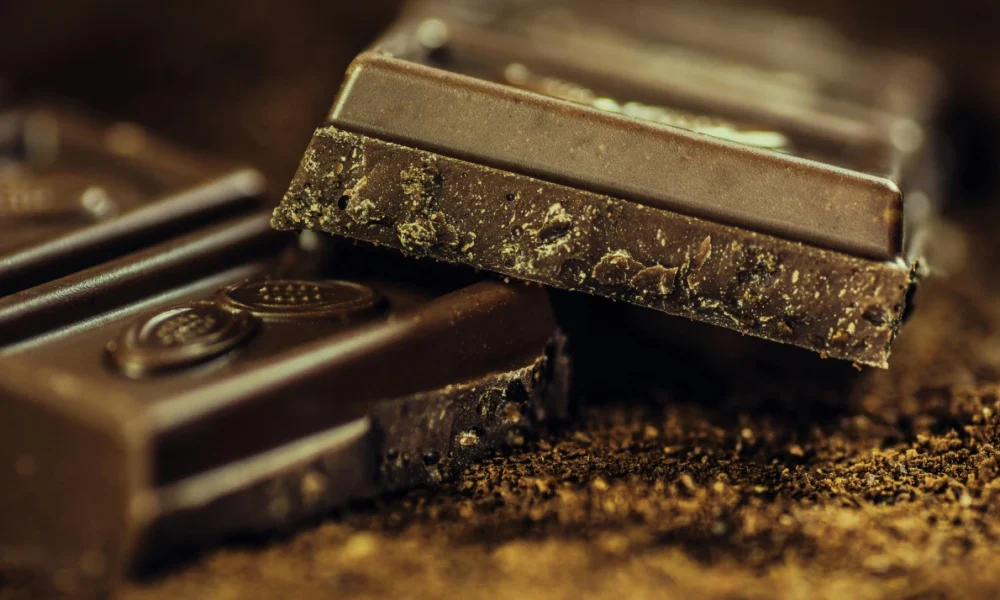
Have you ever wondered where your favorite chocolate bar came from? The story of chocolate is richer and more complex than most people realize. Let’s trace chocolate’s journey from an ancient ceremonial drink to the sweet treat millions enjoy today.
Table Of Content
- The Birth of Chocolate: Ancient Mesoamerica
- Chocolate Crosses the Atlantic
- The Industrial Revolution: Chocolate Transforms
- The Global Chocolate Boom
- From Bean to Bar: How Chocolate is Made
- Chocolate Today: Craft, Commerce, and Concerns
- 1. Health: What Research Shows
- 2. Cultural: Chocolate in Our Lives
- Conclusion
The Birth of Chocolate: Ancient Mesoamerica
Chocolate’s history begins with the Olmec civilization in what’s now Mexico. These early pioneers grew cacao trees and consumed chocolate as early as 1500 BCE. But it wasn’t the sweet, creamy chocolate we know today.
The Maya and Aztec cultures that followed treated cacao as sacred. They used it in religious ceremonies and even as currency. Imagine paying for groceries with chocolate beans.
What did ancient chocolate taste like? Nothing like today’s treats. The Maya prepared a drink called “xocolātl” — a bitter, frothy beverage mixed with chili peppers, vanilla, and other spices. No sugar, no milk. Just intense, earthy flavors that would surprise modern chocolate lovers.
Chocolate Crosses the Atlantic
When Spanish conquistadors arrived in the Americas in the 16th century, they discovered this unusual drink. Hernán Cortés is often credited with introducing chocolate to Europe after observing the Aztec emperor Montezuma drinking up to 50 cups daily.
The Spanish kept chocolate a national secret for nearly a century. They added cane sugar to make it more appealing to European tastes. By the 1600s, chocolate houses began appearing across Europe, becoming social hubs similar to today’s coffee shops.
The Industrial Revolution: Chocolate Transforms
For its first 300 years in Europe, chocolate remained a luxury drink for the wealthy. The industrial revolution changed that forever.
In 1828, Dutch chemist Coenraad van Houten invented the cocoa press. This machine separated cocoa butter from cocoa solids, creating the foundation for modern chocolate.
British company J.S. Fry & Sons created the first solid chocolate bar in 1847 using cocoa butter, cocoa powder, and sugar. Swiss chocolatier Daniel Peter invented milk chocolate in 1875 by adding condensed milk to chocolate. Then in 1879, Rodolphe Lindt developed the conching process, giving chocolate its smooth, melt-in-your-mouth texture.
These innovations transformed chocolate from an expensive drink into an affordable treat.
The Global Chocolate Boom
The 20th century turned chocolate into a global phenomenon. Companies like Hershey’s in America made chocolate accessible to the masses, while European chocolatiers focused on luxury and craftsmanship.
During World War II, chocolate was included in military rations. This cemented its place in popular culture. Soldiers shared chocolate with civilians in war-torn regions, spreading its popularity worldwide.
From Bean to Bar: How Chocolate is Made
Understanding how chocolate is made reveals why it’s such a complex food.
- Harvesting: Workers cut cacao pods from trees and split them open to reveal the beans inside.
- Fermenting: Fresh beans ferment for up to a week. This develops flavors and reduces bitterness.
- Drying and roasting: Beans dry in the sun, then roast to bring out their rich flavor.
- Winnowing: The outer shells are removed, leaving behind cacao nibs.
- Grinding: Nibs are ground into a thick paste called chocolate liquor.
- Conching: The chocolate is mixed and aerated for hours or days to develop flavor and texture.
- Tempering: Carefully controlled cooling gives finished chocolate its snap and shine.
Chocolate Today: Craft, Commerce, and Concerns
Today’s chocolate world follows two distinct paths.
Mass production companies produce billions of chocolate products annually, focusing on consistency and affordability.
The craft chocolate movement takes a different approach. Small-batch chocolate makers focus on unique flavors, ethical sourcing, and production quality.
This craft renaissance has raised awareness about industry challenges. Cacao farming faces threats from climate change and disease. Labor practices in some chocolate-producing regions remain problematic. More companies now work directly with farmers to ensure fair compensation.
1. Health: What Research Shows
Dark chocolate with 70% or higher cacao content contains compounds that researchers have studied for potential health effects. It’s rich in antioxidants and contains minerals like iron, magnesium, and zinc. Some studies suggest associations between dark chocolate consumption and certain health markers, though chocolate still contains sugar and fat. Moderation matters.
2. Cultural: Chocolate in Our Lives
Chocolate has woven itself into our cultural fabric in countless ways.
We mark celebrations with chocolate — from Valentine’s Day to Easter, it appears at important occasions. Many people turn to chocolate as comfort food during stressful times. A box of chocolates remains one of the most universal gifts. Chocolate inspires storytellers, appearing in works from Charlie and the Chocolate Factory to Like Water for Chocolate.
Single-origin bars made from beans from specific regions highlight unique flavor profiles. Manufacturers are responding to health concerns with reduced sugar options and less sweet formulations. Innovative flavors combine chocolate with olive oil, sea salt, or exotic spices. More companies are moving toward sustainable packaging, shifting away from plastic to eco-friendly options.
Conclusion
Chocolate’s transformation from bitter ceremonial drink to beloved global treat took nearly 4,000 years. Each culture that encountered cacao left its mark — the Maya’s reverence, Spanish sweetening, European refinement, and industrial innovation all contributed to what sits on store shelves today.
The chocolate industry now stands at a crossroads. Mass producers continue making affordable treats for billions of people. Craft makers push boundaries with single-origin bars and unusual flavor combinations. Consumers increasingly ask questions about sourcing, sustainability, and labor practices.
What started as sacred currency in Mesoamerica has become one of the world’s most consumed foods. Yet chocolate remains complex, requiring skill and care at every step from harvest to bar. That complexity — along with its rich history — is part of what makes chocolate more than just a sweet snack.
Understanding where chocolate comes from, how it’s made, and the challenges facing its production helps us appreciate each bite a bit more. Whether you prefer milk chocolate, dark chocolate, or something in between, you’re tasting the result of thousands of years of human ingenuity and cultural exchange.