

Home Inspection Benefits: What Buyers Need to Know Before Closing
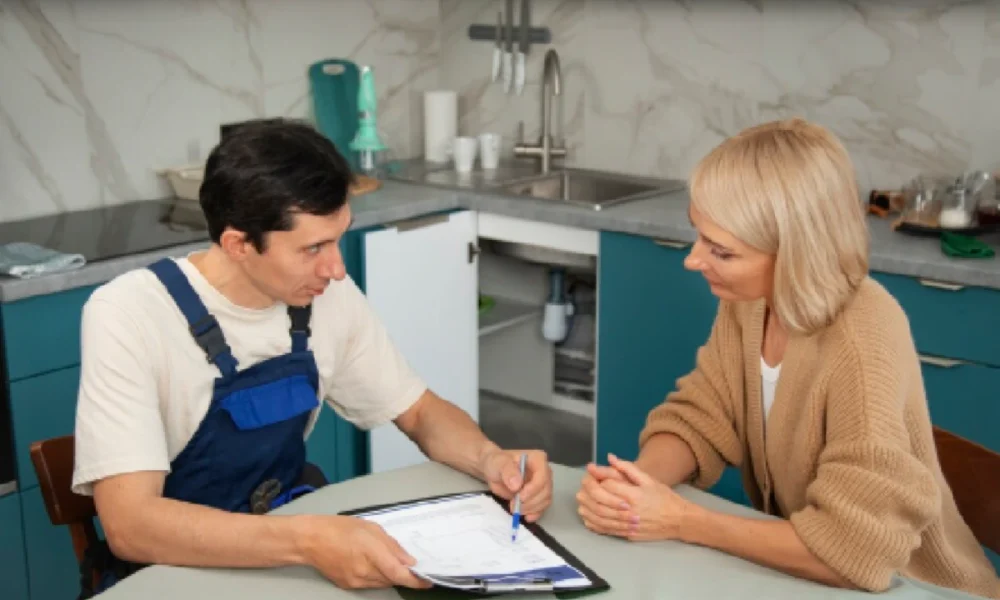
Home Inspection Benefits Purchasing a home is one of the biggest financial investments most people make in their lifetime. This exciting process can quickly turn problematic if the property has hidden defects that surface after closing. Skipping the home inspection could cost you thousands in unexpected repairs or put your family’s safety at risk.
Table Of Content
- Understanding the Home Inspection Process
- Who Conducts Home Inspections?
- What’s in the Inspection Report?
- What a Home Inspection Can Reveal
- Safety Hazards and Code Violations
- Major Defects and Hidden Problems
- Maintenance Needs and Future Costs
- Key Benefits for Home Buyers
- Stronger Negotiating Position
- Protecting Your Financial Investment
- Compliance and Insurance Requirements
- Informed Decision-Making and Confidence
- Addressing Common Concerns
- Cost Considerations
- Finding the Right Inspector
- Understanding Limitations
- Making the Most of Your Home Inspection
A professional home inspection is a detailed visual examination of a property’s physical condition conducted by a qualified inspector. It provides critical insights into the home’s structural soundness, identifies defects and safety hazards, evaluates major systems, and helps determine if repairs are needed. For buyers, home inspections offer invaluable protection and equip them to make well-informed purchasing decisions.
This comprehensive guide will explain the home inspection process, highlight what problems inspections can uncover, and explain the many benefits they offer to home buyers. You’ll also learn how to choose the right inspector and address common concerns about inspections.
Understanding the Home Inspection Process
A standard home inspection involves a physical walk-through and visual examination of both the interior and exterior of the property. The inspection typically takes two to four hours, depending on the property’s size and age.
The inspection covers numerous areas and systems. Inspectors examine the foundation for cracks, moisture issues, and structural problems. They evaluate the roof’s age, condition, and potential leaks, along with proper ventilation. Plumbing systems get assessed for functionality, water pressure, and leaks throughout the property.
Electrical systems receive careful scrutiny, including wiring, panels, outlets, and switches. Inspectors test heating, cooling, and ventilation systems along with ductwork. They check insulation adequacy and look for air leaks that affect energy efficiency.
Interior inspections cover doors, windows, walls, ceilings, and floors. Inspectors operate doors and windows to check for damage and proper function. They look for cracks, water stains, or buckling in walls and ceilings. Floors get checked for levelness, squeaking, and installation issues.
Exterior components also get attention. Inspectors assess drainage systems, including grading, gutters, and downspouts. They examine driveways, walkways, decks, and patios for safety concerns. The garage, attic, basement, and crawlspace all get inspected for moisture, structural issues, ventilation, and pest activity.
Who Conducts Home Inspections?
Home inspections should only be performed by a licensed and experienced professional home inspector. Reputable inspectors have extensive knowledge of home systems, building codes, and inspection techniques. They hold certifications through respected organizations like ASHI (American Society of Home Inspectors), InterNACHI (International Association of Certified Home Inspectors), or CREIA (California Real Estate Inspection Association).
Professional inspectors have hands-on field experience and strong analytical skills. Most importantly, they have no financial stake in whether the home sells, which keeps them fully impartial.
Avoid inspections conducted by contractors, home builders, real estate agents, or anyone else with a potential conflict of interest. Only hire neutral third-party professional inspectors.
What’s in the Inspection Report?
Once the on-site inspection concludes, the inspector prepares a detailed report of their findings. Standard components include a summary of major findings, significant defects, and safety concerns. The report provides an overview of each area and system inspected along with observations.
You’ll find descriptions and locations of any issues discovered, supported by digital photographs. The inspector includes recommendations for repairs, replacements, or further professional evaluation. Reports also note limitations of the inspection and any areas that couldn’t be accessed.
Review the inspection report thoroughly and follow up with the inspector to clarify unclear aspects. Use the findings to make an informed decision about purchasing the property and addressing repairs.
What a Home Inspection Can Reveal
On the surface, a property may appear move-in ready. However, lurking beneath the fresh paint and manicured lawn could be costly hidden issues that home inspections are skilled at detecting.
Safety Hazards and Code Violations
Protecting your family should be the top priority when purchasing a home. Home inspections pinpoint safety risks you’d never know existed otherwise. These include faulty electrical systems prone to short circuits, gas leaks from cracked pipes or malfunctioning appliances, and missing GFCI outlets near water sources.
Inspectors identify excess moisture promoting mold growth, structural issues like cracked foundations, and outdated materials containing lead or asbestos. They check for proper ventilation, functioning smoke and carbon monoxide detectors, and fire hazards like chimney damage or outdated wiring.
Identifying these hazards allows you to require repairs before closing or walk away to avoid future harm.
Major Defects and Hidden Problems
Beyond safety issues, inspections uncover hidden defects that could become major expenses down the road. Roof leaks or damage can lead to costly repairs and interior water damage. Plumbing leaks cause water damage and create conditions for mold growth.
HVAC problems might result in expensive system replacements. Foundation cracks or settling indicate potential instability. Rotting decks or patios may need complete rebuilds. Evidence of pest damage from termites or carpenter ants can be extensive and expensive to remediate.
Illegal DIY renovations that violate building codes pose both safety risks and potential issues when selling. Catching these significant defects early is invaluable rather than discovering them after closing.
Maintenance Needs and Future Costs
Even well-maintained homes require ongoing repairs and system upgrades. Home inspections provide critical insights into upcoming expenses. You’ll learn about the roof’s estimated remaining life before replacement becomes necessary. Inspectors identify appliances nearing the end of their lifespan and aging HVAC systems.
Understanding these future maintenance costs helps you budget wisely and plan expenses over time. This information is particularly valuable for first-time buyers who may not know typical replacement timelines.
Key Benefits for Home Buyers
Beyond uncovering defects, home inspections provide several advantages that enhance the home buying experience and protect your investment.
Stronger Negotiating Position
Perhaps one of the greatest values home inspections offer is objective documentation of a property’s condition before finalizing the purchase. As a buyer, you can leverage the inspection findings strategically.
You can request sellers remedy or repair issues before closing. Alternatively, you might renegotiate the purchase price to offset future repair costs. Required fixes can be included as contingencies in the final contract. If very serious problems are uncovered, you have documentation to support walking away from the deal.
The inspection report strengthens your negotiating position tremendously compared to buying the property “as-is.” Make sure to schedule your inspection early enough in the process to pursue these next steps within your contract timeline.
Protecting Your Financial Investment
Buying a property with hidden issues that surface later devalues your investment significantly. Home inspections safeguard your financial interests by detecting flaws that lower property value if left unaddressed.
They provide evidence to pursue remedies if serious undisclosed issues are discovered after closing. Inspections help you avoid nasty financial surprises and minimize expenses on repairs that would have been missed otherwise. You won’t overpay for a property with underlying defects.
Compliance and Insurance Requirements
Inspections also ensure the home complies with critical regulations. These include local zoning laws, building codes for electrical and plumbing systems, and smoke detector installation mandates.
Pool barrier codes prevent child drowning accidents. Identifying areas of non-compliance proactively avoids headaches and penalties down the road. Some homeowners insurance policies and home warranties require inspection documentation as well.
Informed Decision-Making and Confidence
The amount of effort and money invested in purchasing a home understandably causes anxiety. A home inspection eases worries substantially by providing objective insights from a qualified professional.
You’ll make an informed purchase decision knowing the property’s condition. You’ll understand the full scope of repair responsibilities. The inspection helps determine reasonable value if defects exist and gives you confidence in the home’s safety for your family.
Addressing Common Concerns
Despite their many benefits, home inspections come with a few common concerns worth addressing.
Cost Considerations
A standard home inspection typically represents a small percentage of the home’s purchase price. This investment is worthwhile considering it can save you tens of thousands by avoiding hidden issues. The protection and information gained far outweigh the upfront expense compared to the financial risk of buying “as-is.”
Finding the Right Inspector
Not all home inspectors are created equal. When choosing one, look for current certifications through recognized professional organizations. Check membership in home inspector associations and verify liability insurance and bonding.
Review sample reports to assess thoroughness. Check online reviews and ask for local references. Interview a few potential inspectors before deciding. Verify they have no conflicts of interest with the transaction.
Understanding Limitations
While extremely beneficial, home inspections aren’t foolproof. They are visual examinations only, so some issues within walls or underground may go undetected. Inspectors can’t assess inaccessible areas or predict future problems.
Identified issues may have additional underlying problems not visible during the inspection. Minor cosmetic flaws typically aren’t included in standard reports.
But perfection isn’t expected. Inspections provide a helpful assessment of a property’s major systems and overall condition, which is what matters most for making an informed decision.
Making the Most of Your Home Inspection
Purchasing a home is thrilling, but committing before understanding the property’s true condition is risky. Home inspections reveal a home’s foundation, structures, systems, and safety comprehensively before finalizing a purchase.
For buyers, inspections build confidence by uncovering issues early so prudent decisions can be made. They prevent devastating financial surprises, help negotiate repairs, identify safety hazards, and provide valuable information about future maintenance needs.
As you search for your ideal home, resist temptations to waive an inspection. The investment could save you from significant problems. Be proactive by scheduling an inspection from a qualified professional early in the buying process. Let their unbiased insights inform your decision and help you make an offer based on the property’s true condition rather than surface appearances.