

Home Inspection Red Flags | Critical Issues to Identify Before Buying a Property
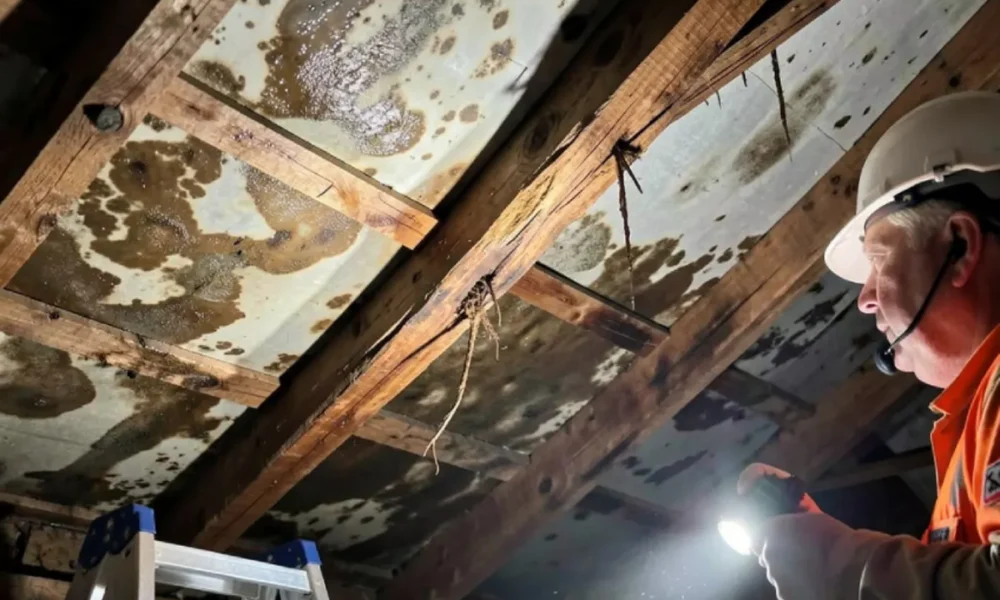
Home Inspection Red Flags, Purchasing a home represents one of the largest financial decisions most individuals face. Despite careful planning, buyer’s remorse remains common, often stemming from undetected issues during the inspection phase. Structural defects, system failures, and concealed damage can transform what appears to be a sound investment into a source of ongoing expense and stress.
Table Of Content
- Foundation Problems: The Structural Basis of Every Home
- Roof Condition: Protection from the Elements
- Electrical System Age and Safety
- Plumbing Infrastructure and Water Quality
- Moisture, Mold, and Water Intrusion
- Pest Activity and Structural Damage
- Hazardous Building Materials
- HVAC System Performance and Age
- Making Informed Decisions
Understanding which warning signs deserve serious attention helps prospective buyers make informed decisions and negotiate from a position of knowledge. This guide examines the most significant issues to identify during a home inspection.
Foundation Problems: The Structural Basis of Every Home
A home’s foundation supports the entire structure. When compromised, it affects every component above it. Foundation damage manifests through several observable symptoms.
Cracks wider than a quarter-inch in basement walls or exterior concrete indicate potential movement. Floors that slope noticeably or feel uneven underfoot suggest settling issues. Doors and windows that stick, fail to close properly, or show gaps around their frames often reflect structural shifts.
Gaps between walls and ceilings, or where walls meet floors, provide additional evidence of foundation concerns. Exterior grading that directs water toward rather than away from the home increases risk of foundation damage over time.
Foundation repairs vary widely in scope and cost. Minor crack repairs may cost a few thousand dollars, while significant stabilization work requiring underpinning or complete foundation replacement can exceed $50,000. The complexity and disruption involved make foundation issues among the most serious concerns during an inspection.
Roof Condition: Protection from the Elements
A home’s roof system protects against weather and prevents water intrusion. Roof problems create cascading issues throughout a property.
Missing, curled, or damaged shingles reduce weather resistance. Dark streaks or moss growth indicate moisture retention and potential decay. Sagging sections suggest structural weakness in the underlying support. Interior water stains on ceilings or in attics point to active or previous leaks.
Asphalt shingle roofs typically last 20-25 years, while metal, tile, and slate roofs have longer lifespans. Knowing the installation date and remaining expected service life helps buyers understand replacement timing and costs.
Complete roof replacement on an average home ranges from $8,000 to $25,000, depending on materials, size, and complexity. Buyers discovering significant roof deterioration should request repair or replacement, or adjust their offer accordingly.
Electrical System Age and Safety
Electrical systems installed decades ago may not meet current safety standards or handle modern power demands. Outdated wiring creates genuine safety risks.
Homes with knob-and-tube wiring, aluminum wiring from the 1960s-70s, or two-pronged outlets throughout indicate aging electrical infrastructure. Frequently tripped breakers, flickering lights, or a burning smell near outlets or switches warrant immediate professional evaluation.
An electrical panel with rust, scorch marks, or warm spots suggests serious problems. Insufficient amperage for a home’s size (typically 100 amps minimum for modern homes, 200 amps preferred) limits capacity for appliances and electronics.
Updating electrical service and rewiring a home costs between $8,000 and $15,000 on average. Buyers should have licensed electricians assess any questionable systems before proceeding.
Plumbing Infrastructure and Water Quality
Plumbing problems range from minor inconveniences to major structural threats. Careful inspection reveals common issues.
Low water pressure throughout the home may indicate corroded pipes or supply line problems. Visible corrosion, staining, or patches on exposed pipes suggest deterioration. Water stains on ceilings, walls, or floors indicate current or past leaks.
Older homes may contain galvanized steel pipes prone to corrosion, or polybutylene pipes known for failure. Cast iron drain pipes in homes built before 1975 often deteriorate from the inside out.
Running toilets, slow drains throughout the house, or sewage odors point to drainage or venting issues. Water heater age matters too—most last 10-15 years before requiring replacement.
Plumbing repairs vary significantly. Fixing a single leak might cost hundreds, while repiping an entire house ranges from $4,000 to $15,000 depending on size and accessibility.
Moisture, Mold, and Water Intrusion
Excess moisture creates conditions for mold growth and structural deterioration. Both present health and property concerns.
Visible mold appears as dark spots, discoloration, or fuzzy growth on surfaces. A persistent musty odor in basements, bathrooms, or crawl spaces indicates moisture problems even without visible growth. Peeling paint, warped floors, or soft spots in walls and ceilings result from prolonged water exposure.
Condensation on windows, water marks near the foundation, or damp basement walls show active moisture issues. Improperly graded landscaping, missing or damaged gutters, and inadequate ventilation in bathrooms and attics contribute to these problems.
Mold exposure can trigger respiratory symptoms, allergic reactions, and other health effects, particularly in children, elderly individuals, and those with existing respiratory conditions. Structural damage from prolonged moisture weakens framing, flooring, and support systems.
Professional mold remediation costs vary based on extent and location, ranging from $500 for small areas to over $10,000 for widespread problems requiring structural repairs.
Pest Activity and Structural Damage
Wood-destroying insects and rodents cause damage that may not be immediately apparent. Their presence indicates both current problems and potential ongoing issues.
Termites leave mud tubes on foundations, hollow-sounding wood, discarded wings near windows and doors, and small holes in wood surfaces. Carpenter ants create smooth tunnels in wood and leave sawdust-like debris. Rodent droppings, gnaw marks on wiring or wood, and scratching sounds in walls or attics indicate active infestations.
Powder post beetles create small exit holes and fine powder below affected wood. Each pest type requires different treatment approaches and causes varying degrees of structural concern.
Professional pest inspections cost $100-300 and provide detailed assessments. Treatment and repairs for significant infestations range from several hundred to several thousand dollars. Severe structural damage from termites can require extensive and expensive repairs.
Hazardous Building Materials
Homes built before 1980 may contain materials now recognized as health hazards. Two deserve particular attention.
Asbestos was widely used in insulation, floor tiles, ceiling tiles, and pipe wrapping until the late 1970s. When intact and undisturbed, asbestos-containing materials pose minimal risk. Deterioration or renovation activities can release microscopic fibers that cause serious respiratory disease when inhaled over time.
Lead paint was used in residential properties until banned in 1978. Paint chips and dust from deteriorating lead paint pose risks, especially to young children in whom lead exposure affects neurological development.
Professional testing identifies the presence and location of these materials. Asbestos abatement costs $1,500-$3,000 for small areas and significantly more for whole-home removal. Lead paint remediation varies based on extent and method but typically costs several thousand dollars.
Buyers discovering these materials should understand that safe encapsulation may be an option, but complete removal requires licensed professionals and proper containment procedures.
HVAC System Performance and Age
Heating, ventilation, and air conditioning systems represent significant replacement costs when they fail. System age and condition affect near-term expenses.
Furnaces typically last 15-20 years, while air conditioning units last 10-15 years. Systems approaching or exceeding these ages face higher failure risk. Unusual noises, uneven heating or cooling, or frequent cycling indicate performance problems.
Lack of maintenance records suggests the system may not have received regular service. Visible rust, leaking refrigerant, or corroded connections on outdoor units show deterioration. Inadequate airflow, persistent odors, or excessive dust may indicate ductwork issues.
Replacing a furnace costs $2,500-$7,500, while central air conditioning replacement ranges from $3,000-$7,000. Combined HVAC system replacement can exceed $10,000. Buyers should request professional HVAC inspection and consider system age when evaluating a property.
Making Informed Decisions
Thorough home inspections reveal problems that may otherwise remain hidden until after purchase. Understanding which issues represent serious concerns versus minor maintenance items helps buyers respond appropriately.
Foundation damage, significant water intrusion, outdated electrical systems, and active pest infestations typically warrant either repair negotiations, price adjustments, or reconsidering the purchase. Routine maintenance items and cosmetic issues generally present less concern.
Professional inspectors provide detailed reports documenting conditions and estimating repair costs. Buyers should review these carefully, consult with contractors for additional opinions when needed, and use the information to make decisions aligned with their financial capacity and risk tolerance.
A thorough inspection protects buyers from unexpected expenses and helps ensure their investment provides safe, reliable housing for years to come.