

47 Proven Hospitality Business Ideas for 2026: A Comprehensive Sector Guide
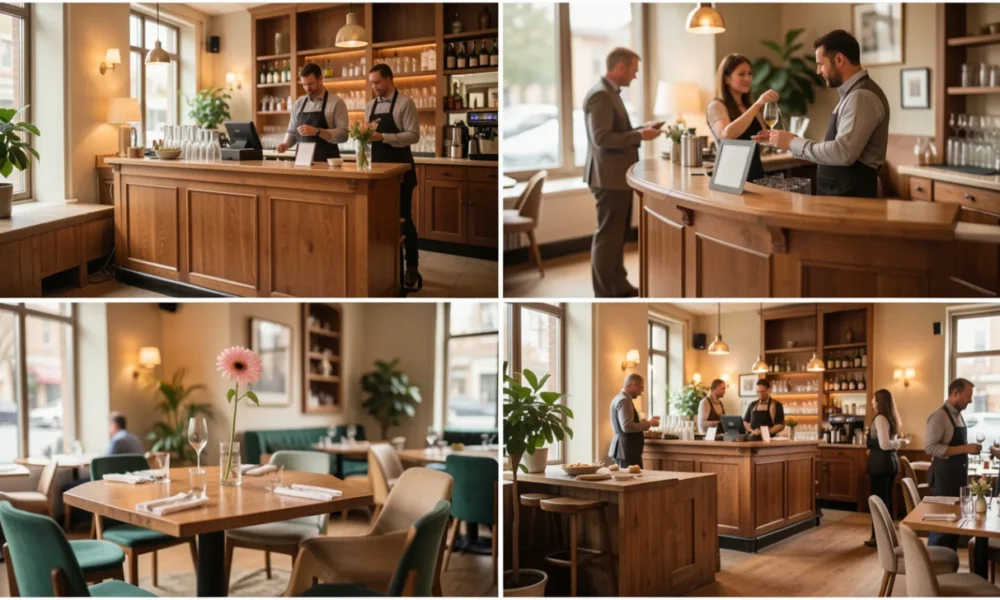
The hospitality industry is a vast and ever-evolving sector that encompasses a wide range of services aimed at catering to the needs and desires of travelers, tourists, and locals alike. From luxurious hotels and resorts to cozy bed-and-breakfasts, from fine dining establishments to vibrant nightlife venues, the hospitality sector offers a diverse array of opportunities for entrepreneurs seeking to embark on their business ventures.
Table Of Content
Innovative hospitality business ideas are the lifeblood of this dynamic industry, as they not only cater to the changing preferences and demands of consumers but also drive growth and maintain a competitive edge. As the world becomes increasingly interconnected and shaped by global trends, the need for unique and memorable hospitality experiences has never been greater.
The global hospitality market is projected to surpass $5 trillion in 2026, with an annual growth rate of 5.5–6.5% expected through the end of the decade. This growth, however, is occurring in an environment of significant structural change. Hotel gross operating profit margins are under pressure from rising labor and operational costs, and revenue growth alone is no longer sufficient to protect profitability. For entrepreneurs, this means success will depend not just on a great concept but on operational efficiency, technological integration, and a deep understanding of new market realities.
In this comprehensive guide, we will explore a wide spectrum of hospitality business opportunities for 2026 and beyond. From the traditional hotel and accommodation segment to the ever-evolving culinary landscape, and from event planning to travel services, we will uncover a wealth of potential ventures for the enterprising and forward-thinking entrepreneur.
Exploring Diverse Hospitality Business Ideas
Hotel and Accommodation Sector
The hotel and accommodation sector is perhaps the most well-known facet of the hospitality industry. However, within this broad category, there exist numerous niches and specialized offerings that cater to distinct consumer preferences and budgets. In 2026, success here is increasingly defined by an “asset-light” approach, where brand power and operational efficiency drive value more than physical assets themselves
1 Bed and Breakfast (B&B)
Bed and Breakfasts offer a unique and intimate lodging experience that combines the warmth of a home-away-from-home with the convenience of a traditional hotel. These cozy establishments often feature charming decor, personalized service, and locally sourced culinary delights, making them a favorite among travelers seeking a more authentic and immersive experience.
2. Vacation Rentals
The rise of vacation rental platforms has revolutionized the way people plan their getaways. From urban apartments to rustic cabins, these properties offer travelers the flexibility and privacy of a home, coupled with the convenience of a centralized booking system. For entrepreneurs, managing a portfolio of vacation rentals can be a lucrative business opportunity, especially in popular tourist destinations. This model aligns with the “asset-light” trend, focusing on management and experience rather than property ownership.
3. Hostels and Guesthouses
Catering to the budget-conscious traveler, hostels and guesthouses provide affordable accommodation options. These establishments often feature shared dormitories, communal spaces, and basic amenities, fostering a sense of community and cultural exchange among guests from all walks of life.
4. Boutique Hotels and Lifestyle Properties
Major hotel groups are increasingly investing in lean luxury and lifestyle concepts. Boutique hotels offer a distinct alternative to large chains, with a strong focus on design, local culture, and personalized service. They appeal to travelers (51% of whom prefer more intimate, personalized stays) seeking unique and authentic experiences
5. Eco-Resorts and Campgrounds
For those seeking a more immersive and rejuvenating experience, resorts and campgrounds with a focus on sustainability offer a respite from daily life. These establishments can range from luxurious, all-inclusive eco-retreats to rustic camping sites, catering to a diverse array of preferences. As environmental awareness increases, consumers are seeking out businesses that prioritize sustainability .N early 57% of travelers consider sustainability somewhat important when making travel choices .
. Vacation Homes and Clubs
Vacation homes and clubs cater to those seeking a more exclusive and personalized vacation experience. These properties often feature upscale amenities, concierge services, and access to private recreational facilities, providing a sense of exclusivity and luxury for discerning travelers.
7. Niche Accommodations (Glamping, Treehouses)
The demand for unique stays has given rise to concepts like glamping (glamorous camping) and treehouse hotels. These offerings combine the novelty of camping with the comfort of high-end amenities, appealing to adventure-seekers and millennials looking for shareable, memorable experiences.
Food and Beverage Industry
The food and beverage (F&B) industry is a cornerstone of the hospitality sector, offering a plethora of opportunities for entrepreneurs. However, 2026 brings significant new regulations and challenges, particularly regarding advertising and food safety .
8 Fine Dining Restaurants
From establishments helmed by acclaimed chefs to those offering a multi-sensory experience, fine dining restaurants are the pinnacle of the culinary landscape. They focus on exceptional service, intricate presentation, and a curated atmosphere.
9. Casual Dining and Fast-Casual Restaurants
The backbone of the restaurant industry, casual and fast-casual eateries offer quality food in a relaxed setting. The fast-casual segment, in particular, continues to grow by bridging the gap between fast food and casual dining, focusing on higher-quality ingredients and customizable options.
10. Themed and Experiential Restaurants
Themed restaurants offer more than just a meal; they provide an immersive experience, from dining in the dark to venues designed around movies or historical periods. These concepts capitalize on the growing consumer desire for entertainment and shareable experiences.
11. Specialized Diet Restaurants (Vegan, Keto)
Catering to specific dietary needs and preferences, specialized restaurants (e.g., vegan, keto, gluten-free) have moved from a niche to a mainstream demand. These establishments build a loyal customer base by offering safe, delicious, and innovative options for those with specific health or ethical requirements.
12. Farm-to-Table and Hyper-Local Restaurants
Farm-to-table establishments emphasize direct sourcing from local farms and producers, ensuring freshness, supporting the local economy, and reducing food miles. This concept strongly appeals to the growing segment of consumers interested in sustainability and food origin .
13 Ghost Kitchens and Delivery-Only Concepts
Ghost kitchens are commercial cooking spaces optimized for takeout and delivery only, with no dine-in option. This asset-light model allows entrepreneurs to launch culinary brands with lower overhead costs, test new concepts, and leverage data from online ordering platforms to refine their menus.
14. Coffee Shops and Roasteries
Coffee shops remain vital social hubs. A modern evolution is the combination of a coffee shop and a micro-roastery, which offers customers the freshest possible product and a glimpse into the craft of coffee roasting, creating a unique brand identity.
15. Specialty Tea Houses
As consumers explore diverse beverage options, specialty tea houses provide a serene alternative to coffee shops, focusing on high-quality loose-leaf teas, traditional brewing ceremonies, and a calming atmosphere.
16. Craft Breweries and Taprooms
The craft beer movement continues to thrive. Craft breweries with attached taprooms allow entrepreneurs to control the entire customer experience, build a community around their brand, and offer a rotating selection of unique, small-batch brews.
17. Cocktail Bars and Speakeasies
Cocktail bars, particularly those with a speakeasy theme, offer a sophisticated and often hidden escape. They focus on expertly crafted drinks, premium spirits, and a moody, intimate ambiance that appeals to a discerning clientele.
18. Wine Bars
Wine bars cater to oenophiles and casual drinkers alike, offering a curated selection of wines by the glass or bottle in a relaxed setting. Success often hinges on knowledgeable staff and a welcoming atmosphere that demystifies wine.
19. Catering Services
For those with a passion for food and a knack for organization, catering services present a lucrative opportunity. From weddings and corporate events to intimate gatherings, catering companies can provide customized menus, impeccable service, and unforgettable culinary experiences.
20. Food Trucks
The food truck phenomenon continues to be a popular entry point for culinary entrepreneurs. These mobile eateries offer a unique and convenient dining experience, with lower startup costs than a traditional restaurant, allowing for flexibility and direct community engagement.
21. Specialty Food Trucks (Ice Cream, Desserts)
Within the food truck space, specialty trucks focusing on a single item like gourmet ice cream, artisanal donuts, or specialty coffee can become local destinations, building a brand around a perfected product.
22. Juice Bars and Smoothie Shops
As the trend towards health and wellness continues to gain momentum, juice bars and smoothie shops have emerged as popular destinations. They offer a unique blend of healthy fare, often incorporating superfoods and supplements, catering to on-the-go consumers seeking a nutritional boost.
23. Wellness Spas and Cafés
Blending F&B with wellness, wellness spas and cafés offer a holistic experience. These establishments might pair a yoga studio with a café serving bone broth, adaptogenic lattes, and healthy bowls, creating a one-stop destination for health-conscious patrons.
Event Planning and Venues
The event planning and venue sector caters to the ever-growing demand for memorable and well-organized events, ranging from intimate gatherings to large-scale celebrations.
24. Full-Service Event Planning
Event planning services offer a comprehensive solution for individuals and organizations. From conceptualization and vendor coordination to on-site management, these professionals ensure that every detail is meticulously planned and executed.
25. Wedding Planning
A specialized and high-stakes niche, wedding planning requires exceptional organizational skills, vendor relationships, and a calm demeanor. Planners guide couples through every step, from venue selection to design, ensuring a seamless and stress-free experience.
26. Corporate Event Planning
Corporate event planners focus on business functions such as conferences, product launches, team-building retreats, and holiday parties. This niche requires an understanding of corporate budgets, branding, and professional objectives.
27. Unique Event Venues
Choosing the perfect venue is critical. Owners of unique event venues—from historic mansions and art galleries to barns and rooftops—provide the essential backdrop for celebrations. Differentiation comes from architecture, scenery, and the inherent experience of the space.
28. Wedding Venues
Specifically catering to weddings, these venues offer dedicated spaces for ceremonies and receptions. Success often involves providing in-house packages that include catering, décor, and coordination, simplifying the planning process for couples.
29. Conference and Meeting Centers
For corporate events, conference centers provide the necessary infrastructure, including audio-visual equipment, flexible seating, and high-speed internet, to ensure a seamless and productive affair.
30. Party and Event Rental Companies
Party rental companies provide the physical resources for events, such as tables, chairs, linens, tents, and specialty glassware. They are essential partners for planners and individuals, allowing them to transform any space into a functional and festive environment.
Travel and Tourism Sector
The travel and tourism industry plays a pivotal role in the hospitality sector, facilitating the movement and experiences of visitors from around the globe. In 2026, trends include a shift toward shorter, more frequent trips and a desire for authentic, immersive experiences.
31. Niche and Specialized Travel Agencies
While online booking platforms are dominant, there is still strong demand for expert guidance. Specialized travel agencies focusing on complex itineraries, adventure travel, luxury safaris, or specific regions can thrive by offering deep expertise and personalized service that algorithms cannot replicate.
32. Tour Guide Services
For those with a passion for exploration and local knowledge, tour guide services offer a unique opportunity. From historical walking tours and food tours to photography excursions, these businesses provide an immersive and educational experience for visitors.
33. Adventure and Eco-Tourism Operators
Adventure tourism operators cater to travelers seeking physical activity and connection with nature, offering experiences like hiking, kayaking, and wildlife watching. A strong focus on eco-tourism principles—minimizing impact and supporting conservation—is a key differentiator in this market
34. Wellness Tourism Operators
The fusion of hospitality and wellness is a major market driver .Wellness tourism operators organize retreats and trips focused on health, from yoga and meditation getaways to biohacking and fitness-focused vacations, tapping into the growing demand for self-care and holistic well-being.
35. Chauffeured and Limousine Services
Chauffeured services cater to the discerning traveler seeking luxury, convenience, and reliability. Whether providing airport transfers, corporate transportation, or special occasion rides, these businesses offer a premium experience that enhances the overall trip.
36. Small Ship and Boutique Cruise Lines
Moving away from massive ocean liners, small ships, and boutique cruise lines are gaining popularity. They offer more intimate, exclusive experiences with a focus on destination immersion, sustainable practices, and luxury amenities, allowing access to smaller ports and unique itineraries
37. Bleisure Travel Services
With the rise of remote work, “bleisure” (business + leisure) travel is growing. Services catering to bleisure travelers might include hotels with superior co-working spaces, travel agents who can book extended stays, or experience providers offering short, immersive activities after working hours.
38. Digital Nomad Support Services
Closely related to bleisure, a new ecosystem of services is emerging for digital nomads. This includes coliving spaces (private rooms with shared common areas and workspaces), concierge services for visa and logistical support, and community-building events.
Additional and Peripheral Hospitality Businesses
Beyond the core sectors, numerous peripheral services cater to the needs and desires of travelers and locals alike, often supporting the primary businesses.
39. Hospitality Cleaning Services
As the demand for short-term rentals and hotels continues, specialized cleaning services have become essential. These businesses ensure properties are meticulously maintained and prepared for incoming guests, often requiring attention to detail and efficiency.
40. Laundry and Linen Services
Commercial laundry services that cater specifically to hotels, B&Bs, and restaurants provide an essential outsourced function. This allows hospitality businesses to focus on their core operations while ensuring a steady supply of clean linens and uniforms.
41. Hotel and Restaurant Consulting
Experienced industry professionals can offer their expertise as consultants, advising new businesses on concept development, operational efficiency, menu engineering, or profitability strategies
42. Technology Consulting and Integration
With technology becoming a strategic core of hospitality, there is a growing need for tech consultants who can advise on and implement Property Management Systems (PMS), AI-powered booking engines, robotics (e.g., delivery and cleaning robots like PUDU or Relay), and data analytics platforms .
3. Fitness Centers and Yoga Studios
For health-conscious travelers and locals, fitness centers and yoga studios offer a place to maintain their routine. Partnerships with nearby hotels can provide a steady stream of visitors.
44. Mobile Massage and Spa Services
Mobile massage therapy businesses bring the spa experience directly to guests in their hotel rooms or vacation rentals, offering ultimate convenience and relaxation without the overhead of a physical location.
45. Pet Care Services
For pet owners on the move, pet care services offer a valuable solution. From pet boarding and grooming to dog walking and pet sitting at the owner’s accommodation, these businesses provide peace of mind that furry family members are well-cared for.
46. Smart Hotel Technology Provider
As hotels aim to become “AI-native,” there is an opportunity for businesses that provide and install smart room technology, such as keyless entry, IoT-enabled climate control, and voice-activated assistants, helping properties modernize and appeal to tech-savvy guests.
47. Sustainable Product Supplier
With a growing focus on reducing waste, businesses that supply sustainable and eco-friendly products to hotels and restaurants—such as biodegradable packaging, refillable amenity dispensers, or locally sourced goods—are well-positioned for growth
Profitability and Market Trends for 2026
The hospitality industry has demonstrated remarkable resilience, but the path to profitability is shifting. Global revenues are projected to reach staggering heights, with the food service industry alone forecast to generate over $4 trillion. However, the operating environment has fundamentally changed.
Key trends shaping 2026:
- Technology is Strategic: 88% of hoteliers rank driving customer loyalty through technology as their top priority for 2026. AI is moving from experimental to essential, used for business analysis, revenue management, and personalizing guest interactions .
- Profitability Under Pressure: Hotel gross operating profit margins are being compressed by high labor costs, brand standards, and insurance premiums. With revenue growth expected to slow, protecting margins through active asset management and operational efficiency is the new growth strategy .
- Health and Wellness Integration: Wellness is no longer a niche but a core driver. Consumers are seeking experiences that enhance physical and mental well-being, from fitness-focused hotels to culinary experiences centered on gut health .
- Sustainability is a Business Imperative: Beyond consumer demand, new regulations and guidance, such as WRAP’s blueprint for waste reduction, are making sustainability a compliance issue. Reducing food waste is now seen as a direct path to cutting costs and improving profitability.
- Experiential Travel Dominates: Travelers are prioritizing shorter, more frequent trips and authentic, immersive experiences over material goods. This benefits businesses offering unique tours, boutique accommodations, and culturally rich activities
- Regulatory Landscape Shifts: Businesses must navigate new rules, such as the UK’s HFSS advertising restrictions, updated food safety codes, and licensing reforms, making compliance expertise more valuable than ever .
| Hospitality Sector | Key Trend for 2026 |
|---|---|
| Hotel Industry | AI-native distribution, robotics for efficiency, asset-light growth |
| Food Service | HFSS compliance, supply chain integrity, waste reduction |
| Travel & Tourism | Wellness tourism, bleisure, small-ship cruising, sustainability |
Challenges and Considerations
While the hospitality industry offers a wealth of promising business ideas, aspiring entrepreneurs need to navigate significant challenges.
One of the primary challenges is the need to comply with a myriad of regulatory requirements and licensing processes. From food safety and health regulations (like the updated Food Law Codes of Practice in the UK) to zoning laws and HFSS advertising rules, navigating the complex web of legal frameworks is crucial to mitigating potential risks.
Additionally, the importance of exceptional customer service cannot be overstated. As consumers become increasingly discerning, businesses must strive to deliver experiences that exceed expectations. However, in a high-cost environment, this must be balanced with efficiency. The key is using technology to automate repetitive tasks, freeing up staff to deliver the high-value, empathetic human touch that defines true hospitality.
Furthermore, the financial aspects and marketing strategies demand careful consideration. Securing startup capital is just the beginning. In 2026, managing cash flow in the face of high operating costs and developing effective marketing campaigns that comply with new advertising rules are critical for survival and growth. Rising business rates, insurance premiums, and utility costs are structural pressures that must be factored into any financial plan.
| Consideration | Key Action for 2026 |
|---|---|
| Regulatory Compliance | Stay updated on food safety codes, advertising laws, and licensing |
| Operational Efficiency | Optimize labor models, benchmark costs, and embrace technology to protect margins |
| T.echnology Integration | Invest in AI, data analytics, and automation to enhance loyalty and streamline ops. |
Tips for Starting a Hospitality Business
For those considering embarking on a hospitality business venture, a well-crafted business plan and a clear understanding of the current environment are essential.
- Conduct Thorough Market Research: Gain insights into consumer preferences and local competition. Identify gaps in the market—is there demand for a wellness-focused café or a pet-friendly hotel?
- Develop a Unique Value Proposition: Differentiate your offering. This could involve leveraging technology for a frictionless stay, focusing on extreme sustainability, or creating a deeply authentic cultural experience.
- Secure Funding and Resources: Explore various funding options. Be realistic about startup costs and build a financial model that accounts for the higher structural costs of today’s market.
- Obtain Necessary Licenses and Permits: Ensure full compliance from day one. This includes standard business licenses, food service permits, liquor licenses, and adherence to any new local or national regulations
- Build a Strong Team: Assemble a team that shares your vision. In a tech-driven world, skills in digital literacy and data analysis are as important as traditional service skills. Prioritize reskilling and training
- Develop a Robust Marketing Strategy: Effectively promote your business through a mix of channels. Be aware of new advertising restrictions for certain products. Build a strong brand identity and leverage user-generated content and word-of-mouth .
- Foster a Customer-Centric Culture: Prioritize exceptional service and create memorable experiences. Use technology not as a replacement for human interaction, but as a tool to enable it. Continuously seek feedback and adapt.
- Embrace Innovation and Adaptability: Stay ahead of industry trends by continuously exploring new ideas and technologies. Remain agile and open to pivoting your strategy as consumer demands evolve. View AI and automation not as threats, but as tools to enhance your offering .
uturere Prospects and Opportunities
As we look towards the future, the hospitality industry is poised for continued transformation, driven by technology and evolving consumer preferences.
One emerging trend is the deepening integration of Artificial Intelligence. By 2026, AI-native distribution and revenue management will be standard, with AI agents reshaping how travelers book and experience trips . The potential for generative AI in marketing and personalized guest communication is also immense . The fusion of hospitality and wellness will continue to strengthen, creating opportunities for wellness-centric concepts like biohacking retreats and hormone-friendly cuisine, moving beyond traditional spas to encompass all aspects of a guest’s health journey. Furthermore, the demand for culturally immersive and authentic experiences is on the rise. This presents opportunities for businesses that offer unique cultural tours, heritage-focused accommodations, and culinary experiences that celebrate local traditions, catering to travelers who want to connect deeply with their destinationFinallynaly, as costs remain a pressure point, the businesses that succeed will be those that master the balance of high-tech and high-touch—using automation and AI to drive efficiency and using their skilled, empathetic human staff to create the unforgettable moments that keep guests coming back.