

How Home Staging Property Sales Affects: Value, Speed, and Buyer Psychology
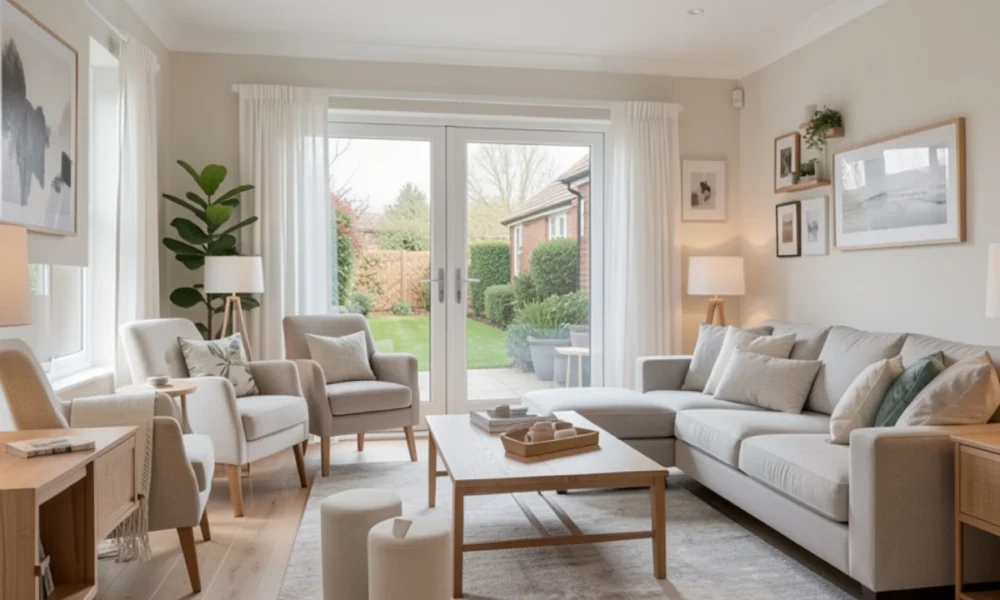
How Home Staging Property Sales Affects: Value, Speed, and Buyer Psychology. Home staging has grown from a niche real estate tactic into a standard practice for property sellers. The concept centers on preparing a home for sale by arranging furniture, adjusting décor, and optimizing lighting to highlight the property’s strengths. The goal is to help potential buyers imagine living in the space, which often translates into quicker sales and competitive offers.
Table Of Content
- Understanding Home Staging
- How Buyer Psychology Influences Staging Decisions
- Financial Impact on Property Sales
- Where to Focus Staging Efforts
- Removing Personal Elements
- The Role of Lighting
- Color and Material Choices
- Staging for Online Listings
- Cost and Return Considerations
- Timing the Staging Process
- Final Considerations
Understanding Home Staging
Home staging differs from basic cleaning or organizing. It applies interior design principles and marketing psychology to present a property in its best light. Stagers arrange spaces to feel both functional and aspirational, creating environments that appeal to a wide audience rather than reflecting the current owner’s personal taste.
The process typically involves removing personal items, rearranging or renting furniture, adjusting color schemes, and improving lighting. Each decision aims to make rooms feel larger, brighter, and more inviting.
How Buyer Psychology Influences Staging Decisions
When buyers tour a property, they respond emotionally as much as practically. A well-staged home helps them picture their own furniture, routines, and lifestyle fitting into the space. This emotional connection can be the difference between a buyer submitting an offer or continuing their search.
Staging creates a narrative: this is not just a house, but a home where someone could build their life. Neutral colors, uncluttered surfaces, and thoughtful furniture placement all contribute to this narrative by removing distractions and emphasizing possibility.
Financial Impact on Property Sales
Staging requires an upfront investment, but the financial returns often justify the expense. Staged properties tend to sell faster than unstaged ones, reducing carrying costs like mortgage payments, utilities, and maintenance. They also frequently attract higher offers, as buyers perceive staged homes as better maintained and more desirable.
The cost of staging varies based on property size, duration, and whether furniture needs to be rented. Sellers typically spend a percentage of their listing price on staging services, which includes consultation, furniture rental, and installation. The return comes through shortened time on market and increased final sale prices.
Where to Focus Staging Efforts
Not all rooms carry equal weight in a buyer’s decision. The living room often receives the most attention, as it’s usually the first interior space buyers encounter. A welcoming, well-proportioned living area sets expectations for the rest of the home.
Kitchens and primary bedrooms also heavily influence buyer perception. Kitchens should appear functional and modern, while bedrooms benefit from a calm, restful atmosphere. Bathrooms need to convey cleanliness and current standards. Outdoor areas, when applicable, should demonstrate their potential for relaxation or entertaining.
Removing Personal Elements
One of the most challenging aspects of staging involves depersonalizing the home. Family photos, collections, and distinctive décor make it harder for buyers to envision the property as their own. Stagers recommend removing a significant portion of personal belongings to create a neutral backdrop.
This doesn’t mean the home should feel empty or cold. The goal is to strike a balance: enough furnishings to show the purpose and scale of each room, but not so much that the space feels crowded or overly specific to someone else’s lifestyle.
The Role of Lighting
Lighting shapes how buyers experience a property. Rooms that feel dark or shadowy appear smaller and less inviting. Staging addresses this by maximizing natural light through clean windows and open curtains, and supplementing with artificial lighting where needed.
Layered lighting—combining overhead fixtures, lamps, and accent lights—creates depth and warmth. Mirrors can amplify available light and make rooms feel more spacious. These adjustments are particularly important in properties with limited natural light or smaller floor plans.
Color and Material Choices
Current staging practices favor neutral color palettes: whites, grays, beiges, and soft taupes. These tones appeal to a broad range of buyers and make spaces feel clean and modern. Accent colors can be introduced through pillows, artwork, or plants, adding visual interest without overwhelming the space.
Natural materials—wood, stone, linen—are popular in contemporary staging. They suggest quality and timelessness without appearing overly trendy. Simple, clean lines in furniture and décor align with modern aesthetic preferences while remaining accessible to buyers with different tastes.
Staging for Online Listings
Most property searches begin online, which means staging must translate well to photographs. Stagers consider camera angles, composition, and how rooms will appear in listing photos. A space that looks appealing in person but photographs poorly will struggle to attract viewers.
Professional photography combined with effective staging creates compelling online listings that generate interest and showings. Since buyers often form opinions based on online images before ever visiting a property, this digital presentation has become central to staging strategy.
Cost and Return Considerations
Staging expenses typically include consultation fees, furniture and accessory rental, and labor for installation and removal. These costs vary by market, property size, and the extent of staging needed. Some sellers choose to stage only key rooms to manage expenses, while others opt for full-property staging.
The financial benefit comes from two sources: faster sales reduce ongoing ownership costs, and competitive offers can increase the final sale price. In slower markets or with unique properties, staging can mean the difference between selling and sitting unsold for months.
Timing the Staging Process
Staging is most effective when completed before listing photos are taken and the property hits the market. This ensures the home makes a strong first impression from day one. However, staging can also refresh a listing that has been on the market without generating offers.
Working with a professional stager early in the sales process allows for strategic planning and optimal presentation. Some sellers attempt DIY staging, though professional stagers bring expertise in design, buyer psychology, and market trends that can be difficult to replicate without experience.
Final Considerations
Home staging addresses both the practical and emotional aspects of property sales. By presenting a home in its best condition and helping buyers envision themselves living there, staging influences how quickly a property sells and at what price. As online listings continue to shape the property search process, the visual presentation of a home becomes increasingly important.
For sellers looking to compete effectively, staging offers a way to differentiate their property and appeal to buyer expectations. The investment in staging services often returns value through reduced time on market and stronger offers, making it a practical consideration in most real estate transactions.