

How Location Affects Property Development Success and Long-Term Value
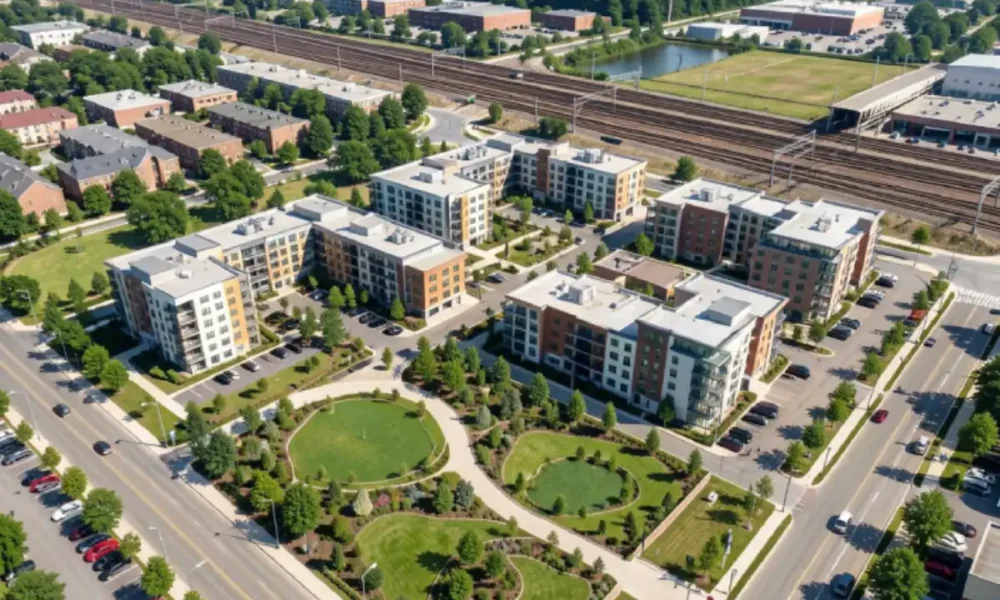
Location determines whether property developments succeed or fail. The physical placement of residential and commercial projects influences buyer demand, rental income potential, and long-term appreciation. For developers and investors, understanding location factors helps predict market performance and minimize financial risk.
Table Of Content
- Transportation Access and Connectivity
- Local Economic Conditions
- Nearby Amenities and Services
- Neighborhood Safety
- Zoning Laws and Development Regulations
- Planned Infrastructure Improvements
- Environmental Factors
- Cultural and Historic Character
- Market Competition Analysis
- Site-Specific Considerations
- Conclusion
This guide examines the key location elements that shape property development outcomes, from transportation access to regulatory requirements.
Transportation Access and Connectivity
Properties near transportation infrastructure typically attract more interest from buyers and renters. Train stations, bus terminals, and major roadways reduce commute times and improve mobility options for residents.
Transit proximity affects property values measurably. Homes located within walking distance of public transit stations often sell at higher prices than comparable properties farther away. This premium reflects the convenience value that buyers place on reduced transportation costs and time savings.
Developers evaluate current transportation networks and planned infrastructure projects when selecting sites. Future transit expansions can significantly increase property values in previously underserved areas.
Local Economic Conditions
Regional employment growth drives housing demand. Areas with expanding job markets attract workers who need places to live, creating opportunities for residential development.
Developers assess local economic indicators to identify promising locations:
- Employment growth rates
- Industry diversity
- Business expansion announcements
- Commercial real estate activity
Business districts with strong employment bases support residential demand. Workers often prefer housing near their workplaces, reducing commute times and improving work-life balance.
Nearby Amenities and Services
Access to daily necessities and recreational facilities influences where people choose to live. Properties near schools, grocery stores, healthcare providers, and parks generally attract more buyer interest.
Families particularly value proximity to quality schools. Districts with strong educational institutions command premium prices and experience lower turnover rates.
Retail centers, restaurants, and entertainment venues contribute to neighborhood appeal. Mixed-use developments that incorporate commercial spaces alongside residential units create self-contained communities that reduce residents’ need to travel for basic services.
Neighborhood Safety
Crime rates directly affect property desirability and pricing. Areas with lower crime statistics attract families and long-term residents, supporting stable property values.
Buyers and renters research neighborhood safety before making housing decisions. Police department crime reports and community safety programs provide measurable data about local conditions.
Well-lit streets, active community watch programs, and visible security measures contribute to perceived safety. Developers who address security considerations in site selection and design respond to a fundamental buyer concern.
Zoning Laws and Development Regulations
Local zoning ordinances determine what can be built on specific parcels. These regulations specify:
- Permitted building types (residential, commercial, mixed-use)
- Maximum building heights and densities
- Setback requirements
- Parking minimums
- Environmental restrictions
Understanding zoning classifications helps developers identify viable projects before purchasing land. Properties zoned for intended uses avoid costly delays and potential legal challenges.
Municipal planning departments maintain zoning maps and development codes. Reviewing these documents early in the site selection process prevents mismatched expectations between development plans and regulatory reality.
Planned Infrastructure Improvements
Future public investments affect property values. New highways, transit lines, schools, and utilities increase accessibility and service levels in developing areas.
Municipal master plans and capital improvement budgets reveal upcoming infrastructure projects. Developers who identify these plans early can acquire land before announcements drive up prices.
Infrastructure timing matters. Projects announced but not yet funded carry more uncertainty than those with approved budgets and construction timelines.
Environmental Factors
Physical site characteristics influence development costs and long-term viability. Flood zones, soil quality, topography, and natural hazard exposure require evaluation during site selection.
Climate risks affect insurance costs and building requirements. Areas prone to flooding, earthquakes, or severe weather may require specialized construction methods or elevated insurance premiums.
Green space availability increasingly influences buyer preferences. Parks, trails, and preserved natural areas provide recreational opportunities and aesthetic value that enhance neighborhood appeal.
Cultural and Historic Character
Established neighborhoods with distinctive architecture and local identity attract buyers seeking unique living environments. Historic districts often maintain higher property values through design standards and community engagement.
Architectural preservation requirements can limit development options but may support premium pricing for properties that complement existing character. Buyers in these areas typically value authenticity and neighborhood continuity.
Local cultural institutions, festivals, and community traditions contribute to neighborhood identity. Areas with active cultural scenes appeal to residents who prioritize social connection and community participation.
Market Competition Analysis
Understanding what already exists in an area helps developers identify gaps and opportunities. Oversaturated markets with excessive similar properties face pricing pressure and longer sales cycles.
Competitive analysis examines:
- Existing property types and price points
- Occupancy rates and absorption times
- Planned developments not yet built
- Demographic trends and household formation
Markets with unmet demand for specific property types or price ranges offer better opportunities than those with surplus inventory.
Site-Specific Considerations
Individual parcel characteristics affect development potential beyond location factors. Lot size, shape, access points, and existing structures influence design possibilities and construction costs.
Utility access reduces infrastructure expenses. Sites with existing water, sewer, electrical, and telecommunications connections cost less to develop than those requiring new installations.
Title issues, easements, and deed restrictions can limit property use. Thorough due diligence identifies these constraints before acquisition.
Conclusion
Location choices determine property development outcomes across multiple dimensions. Transportation access, economic conditions, amenities, safety, regulations, and environmental factors all contribute to a site’s potential for success.
Developers who systematically evaluate these elements make better-informed investment decisions. While no location guarantees success, understanding these factors reduces risk and improves the probability of profitable outcomes.
Successful location analysis requires researching current conditions and anticipating future changes. Markets shift, regulations evolve, and infrastructure plans materialize over time. Staying informed about these dynamics helps developers position their projects advantageously.