

How to Extend the Life of Your TV Aerial with Proper Care
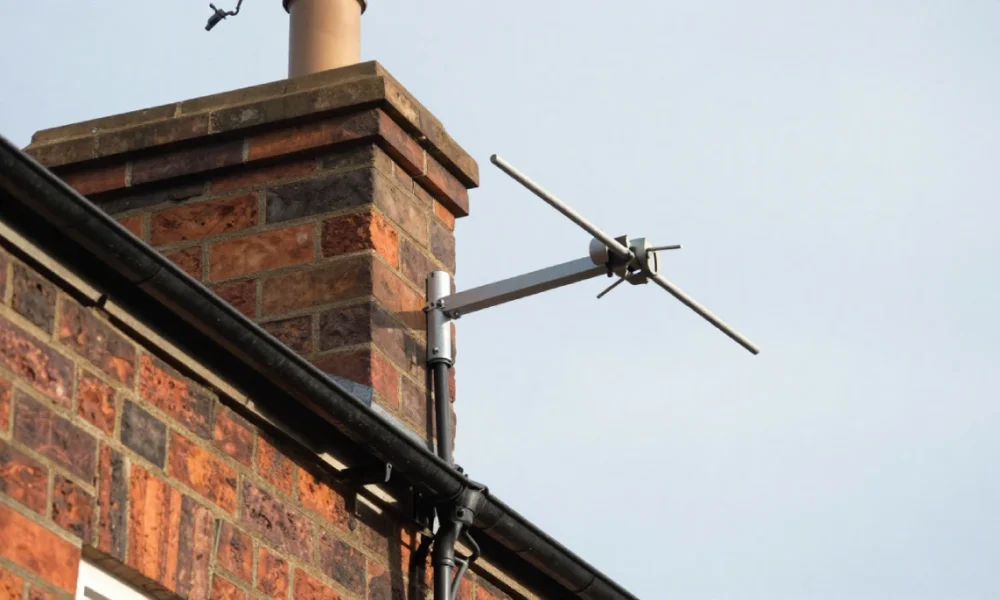
A TV aerial is one of the few pieces of home equipment that stays outdoors year-round, quietly doing its job until signal quality drops or it fails. With the right care, a professionally installed outdoor aerial can last anywhere from 10 to 20 years — and in some cases considerably longer. Without it, you could be looking at a replacement within a few years. The difference usually comes down to installation quality, routine inspection, and a few straightforward protective measures.
Table Of Content
- Understanding TV Aerial Types and Expected Lifespan
- 1. Outdoor aerials
- 2. Loft aerials
- 3. Indoor aerials
- Getting Installation Right from the Start
- How to Clean Your TV Aerial
- Weatherproofing and Corrosion Prevention
- Coaxial Cable Care
- Regular Inspection Schedule
- Common Problems and When to Call a Professional
- When to Repair vs. When to Replace
- Conclusion
Understanding TV Aerial Types and Expected Lifespan
TV aerials fall into three main categories, and each has a different relationship with wear and lifespan.
1. Outdoor aerials
Outdoor aerials face the harshest conditions — wind, rain, temperature swings, and UV exposure. A quality aerial fitted by a professional installer can realistically last 10 to 20 years. Well-made metal aerials have been known to last 30 years or more, though older analogue models may no longer be compatible with current UHF digital broadcast standards.
2. Loft aerials
Loft aerials are shielded from direct weather, which generally gives them a longer usable life. The main concerns are temperature extremes during summer and winter, dust accumulation, and the risk that loft insulation upgrades or building work may disturb the mounting.
3. Indoor aerials
Indoor aerials have the shortest typical lifespan — around 5 to 7 years — largely because they are moved and handled more frequently, and their smaller size makes them more susceptible to interference from household electronics.
Regardless of type, aerial quality matters enormously. Aerials with thin, foil-like elements bend easily and are far less suited to outdoor use. In the UK, brands such as Vision, Antiference, and Wolsey are widely regarded by professional installers as producing aerials built to withstand the climate reliably. A log periodic aerial, in particular, is favoured by many engineers for its durability and consistent signal capture in British weather conditions.
Getting Installation Right from the Start
No amount of maintenance can fully compensate for a poor installation. A correctly fitted aerial — using appropriate mast diameter, properly torqued U-bolts, and secure bracket spacing — will outlast a shoddy one by years.
For outdoor aerials, secure mounting is critical. A mast that is not firmly fixed, or where the top U-bolt has been over-tightened and bent the mast out of shape, creates a weakness that will fail sooner under wind loading. As a general rule, bracket spacing should be at least a quarter of the overall mast height, and a 2-inch diameter pole is advisable for taller masts.
Placement also affects longevity indirectly — an aerial pointed at the wrong transmitter, or positioned in a spot with frequent signal dropouts due to nearby buildings, trees, or 4G interference, will often prompt unnecessary interference and repeated handling. A clear line of sight to the nearest transmitter, confirmed with a signal strength meter, is the correct starting point. A certified professional aerial installer can carry out a site survey to identify the best position and anticipate local interference issues before the aerial goes up.
All cable connections at the aerial head must be watertight from day one. Water ingress through poorly sealed connections is one of the most common causes of early aerial failure — and it is almost entirely preventable at the installation stage.
How to Clean Your TV Aerial
Dirt, bird droppings, leaf debris, and pollution residue can build up on aerial elements over time, gradually affecting performance. Cleaning is straightforward, but should be done carefully.
Use a mild detergent solution and a soft brush to clean the aerial elements and body. A cloth works well for finishing. Avoid abrasive materials that could scratch protective coatings or damage the element surface. After cleaning, rinse with clean water and allow the aerial to dry fully before resealing any connections.
For loft aerials, dust accumulation is the main concern. A dry, soft cloth or brush is usually sufficient. Check cable connections at the same time, as dust can settle into connectors and degrade contact quality.
Weatherproofing and Corrosion Prevention
Water is the most damaging environmental factor for an outdoor aerial. Every connection point is a potential entry route, and once water gets inside a coaxial connector or the aerial’s internal diode housing, corrosion accelerates quickly.
Self-amalgamating tape is the most reliable material for sealing outdoor cable connections and F-plug connectors. Unlike standard electrical tape, it fuses to itself without adhesive, creating a waterproof seal that holds up in sustained wet conditions. Standard weatherproof sealant can also be used around mounting points.
In coastal areas, salt air significantly accelerates metal corrosion. Applying a protective coating to exposed metal parts of the aerial and mast — using a product rated for outdoor metalwork — can meaningfully slow deterioration. Check and reapply the coating every few years.
After storms with high winds, inspect the mounting fixings. Even a small amount of movement can loosen a mast bracket over time, especially on older chimney stacks or fascia boards. A loose aerial not only affects signal quality but is at greater risk of physical damage.
For loft aerials, check that roof ventilation is not causing extreme temperature fluctuations in summer. If the loft space regularly exceeds 40°C during hot weather, this can affect cable insulation and connector integrity over time.
Coaxial Cable Care
The coaxial cable running from the aerial to your television is just as important as the aerial itself, and it is frequently overlooked during inspections.
Check the outer jacket of the coax cable for cracks, splits, kinks, or compression damage — particularly at points where it passes through walls, around bends, or under roof tiles. A damaged jacket allows moisture to reach the shielding and inner conductor, degrading signal quality gradually before causing an outright failure.
Connectors at both ends of the cable should be inspected for corrosion and cleaned with a soft, dry cloth if necessary. Any connector that shows signs of greenish oxidation or visible rust should be replaced rather than cleaned, as the contact quality will have been permanently compromised.
Grounding the coaxial cable via a grounding block is an additional measure worth considering, particularly in areas prone to lightning activity. Proper grounding helps protect both the aerial and connected equipment from electrical surges.
Regular Inspection Schedule
A simple annual check can catch most problems early, before they affect viewing or require costly repairs.
For outdoor aerials, inspect from ground level first using binoculars if needed:
- Check that all elements are straight and properly aligned — bent or missing elements indicate physical damage
- Look for visible corrosion on the body, elements, or mast
- Confirm the mounting bracket and mast are still firmly fixed and have not shifted
- Inspect the cable where it exits the aerial head for damage or sealant failure
For loft aerials, a quick physical inspection takes only a few minutes:
- Dust off the aerial and connections
- Check that cable connectors are tight and showing no corrosion
- Verify the mounting has not been disturbed
If you notice a gradual drop in signal quality or increasing picture breakup, use your television’s built-in signal strength meter as a starting diagnostic point. A sudden significant drop in signal strength may indicate the aerial has shifted alignment — perhaps after high winds — and may need professional realignment rather than replacement.
Common Problems and When to Call a Professional
Poor signal quality does not always mean the aerial itself has failed. Before assuming the worst, check these common causes:
- A loose or corroded cable connection at the TV or aerial end
- New construction, tree growth, or a recently installed 4G mast affecting the line of sight to the transmitter
- A failing amplifier or signal booster in the distribution system
- Damaged coaxial cable rather than the aerial itself
If basic checks do not resolve the issue, a professional aerial engineer can carry out a full diagnostic using calibrated signal meters and identify whether the problem lies with the aerial, the cable run, or an external signal issue.
When to Repair vs. When to Replace
Not every problem justifies a full replacement. Small faults — a loose connector, a misaligned aerial, a failed balun — can often be repaired at relatively low cost and extend the aerial’s useful life by several more years.
Replacement is worth considering when:
- The aerial is more than 10 years old and is experiencing repeated faults
- There is significant corrosion on the elements or the mast that cannot be treated
- Physical damage has bent or broken the main body of the aerial
- The aerial is an older model, no longer compatible with current UHF digital broadcast frequencies
- Repair costs exceed roughly half the price of a new, quality aerial installed professionally
If your current aerial is an older analogue or VHF model, upgrading to a current UHF digital-compatible aerial will also ensure you are receiving the full range of available Freeview channels at the correct signal quality.
Conclusion
Extending the life of a TV aerial comes down to a few consistent habits: quality equipment from the outset, watertight connections, annual physical inspections, proper coaxial cable care, and prompt attention to early warning signs. An aerial that is properly installed and regularly checked should give reliable service for well over a decade. When problems do arise, diagnosing the actual cause — rather than assuming the aerial needs replacing — often saves both time and money.