

How to Handle a Plumbing Emergency: A Step-by-Step Guide for Homeowners
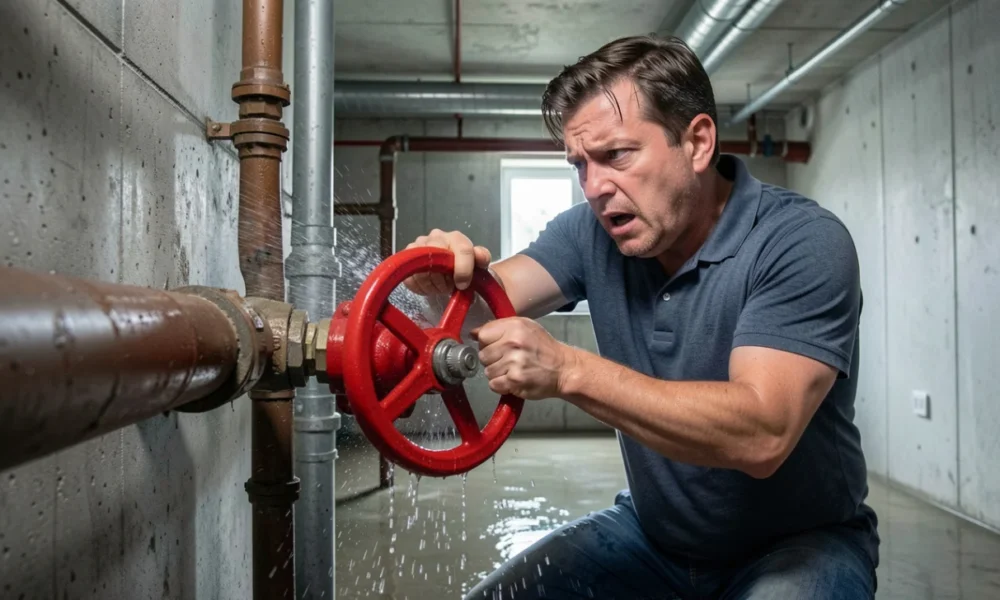
A plumbing emergency—like a burst pipe, significant leak, or sewage backup—demands immediate attention. According to insurance data, burst or blocked pipes are a leading cause of water damage in homes, with aging plumbing a major contributing factor. Without swift action, these situations can lead to extensive property damage, costly repairs, and potential health hazards from mold growth.
Table Of Content
Understanding how to respond quickly and effectively is crucial for mitigating damage and restoring normalcy. This guide outlines the precise steps to take when a plumbing crisis occurs, from ensuring your immediate safety to effectively communicating with a professional 24-hour plumber.
Immediate Steps to Take in a Plumbing Emergency
When disaster strikes, a clear, calm, and sequenced response is your best defense. Follow these steps to contain the situation.
1. Shut Off the Water Supply
Your first and most critical action is to stop the flow of water. Locate your home’s main water shut-off valve and turn it clockwise to close it. This valve is typically found near the water meter, often in a basement, crawl space, utility area, or where the main line enters the house.
If the problem is isolated to a specific fixture like a sink or toilet, you can turn the smaller shut-off valve located directly under or behind it. This stops water flow to that fixture only, allowing you to use water elsewhere in the house if necessary .
2. Turn Off Your Water Heater
After shutting off the main water supply, the pressure and temperature inside your water heater can build up. To prevent a potential burst, turn off the unit. For a gas water heater, turn the control to “pilot” or “off.” For an electric heater, switch off the corresponding circuit breaker. This simple step can save you from a secondary disaster.
3. Assess the Situation and Identify Hazards
Once the water is off, evaluate the severity of the problem. Determine if the issue is something you can manage temporarily or requires immediate professional help. For instance, a burst pipe demands prompt professional attention, while a minor clog might be managed with a plunger .
rucially, identify any safety hazards. If water is near electrical outlets, appliances, or your fuse box, there is a risk of electric shock. If it is safe to do so, turn off the electricity in the affected areas at the main breaker panel. If you smell gas or suspect a gas leak, do not turn on any lights or electrical devices. Evacuate the property immediately, ventilate the area if possible, and call emergency services .
4 Execute Temporary Fixes and Contain Water
While waiting for professional help, take steps to minimize damage.
- Stop leaks: For small pipe leaks, you can use a pipe repair clamp, rubber patch, or epoxy putty as a temporary seal .
- Drain the system: After shutting off the main valve, open all cold water taps (both indoor and outdoor) to drain any remaining water from the pipes and relieve pressure . Don’t forget to flush your toilets to empty the tanks.
- Protect your belongings: Move furniture, rugs, and other valuables away from the affected area.
- Collect water: Use buckets, mops, and towels to soak up standing water. If safe, use a wet/dry vacuum for faster water removal .
Managing Common Plumbing Emergencies
Different crises call for slightly different responses. Here’s how to handle the most common scenarios.
Burst Pipes
A burst pipe can release hundreds of gallons of water quickly.
- Immediate action: After shutting off the main water supply, open affected faucets to relieve pressure. Apply a temporary seal with a pipe clamp or heavy-duty tape .
- Next steps: Remove valuables from the area and document the damage with photos or videos for your insurance claim. Call a plumber immediately .
Clogge Drains and Toilets
While often minor, a clog can escalate into a sewage backup.
- Immediate action: Try a plunger to dislodge the blockage. For sinks, ensure a good seal and plunge vigorously. For toilets, use a flange plunger designed for the purpose.
- DIY alternatives: For minor drain clogs, you can try a mixture of baking soda and vinegar followed by hot water, or use a hand auger (drain snake) to reach deeper blockages .
- When tocall a pro: Avoid chemical drain cleaners, which can damage pipes. If plunging or snaking fails, the blockage may be deep within the main line and requires professional equipment like motorized augers or hydro-jetting .
Water Heter Malfunctions
Signs of trouble include no hot water, discolored or rusty water, strange popping noises, or leaks around the base of the unit .
- Immediateaction: Turn off the power supply (gas or electricity) and the water supply to the unit. For electric heaters, check if the circuit breaker has tripped.
- Next steps: Because water heaters involve gas, electricity, and high pressure, it is safest to contact a professional. An expert can diagnose whether a simple repair, like replacing a heating element, is sufficient or if the unit needs replacement .
Sewer System Backup
This is a serious health hazard. Signs include water backing up out of drains, gurgling toilets, and foul odors.
- Immediate action: Stop using all water immediately. Do not flush toilets or run sinks, as the water has nowhere to go. Evacuate the area and avoid contact with contaminated water. Call a professional plumber right away .
Preparation: The Best Way to Handle an Emergency
Proactive homeowners can significantly reduce the impact of a plumbing crisis.
- Know Your System: The most important preparation is knowing the location of your main water shut-off valve and how to operate it. Ensure all household members are aware of its location .
- Assemble an mergency Kit: Keep essential tools easily accessible. This should include a quality plunger, a pipe wrench, a drain auger (snake), Teflon tape, and a bucket. Duct tape and epoxy putty are also useful for temporary patch.es
- Conduct Regular Maintenance: Schedule annual professional plumbing inspections to catch issues like corrosion or small leaks before they become emergencies. Regularly check under sinks for signs of moisture.
- Install Protective Devices: Consider installing water leak detectors, which can provide an early warning. Pressure-reducing valves can protect pipes from high pressure, and backflow preventers keep contaminated water from flowing back into your clean water sup.ply
- Save Emergency Contacts: Program the number of a reliable 24-hour plumber into your phone and keep it in an easily accessible place.
Restoring Your Home and Preventing Future Issues
Once the immediate emergency is resolved, the work isn’t over. Thoroughly dry all affected areas to prevent mold growth, which can begin within 24-48 hours. Use dehumidifiers and fans to speed up the drying process . Sanitize the area to ensure it is clean and safe.
Finally, learn from the event. Ask the plumber who made the repairs what steps you can take to prevent a recurrence. This might involve insulating pipes, updating old fixtures, or adjusting your maintenance routine. Taking these steps protects your property and gives you peace of mind, knowing you are better prepared for whatever comes next.