

How to Make Fresh Orange Juice at Home and Choose a Juicer
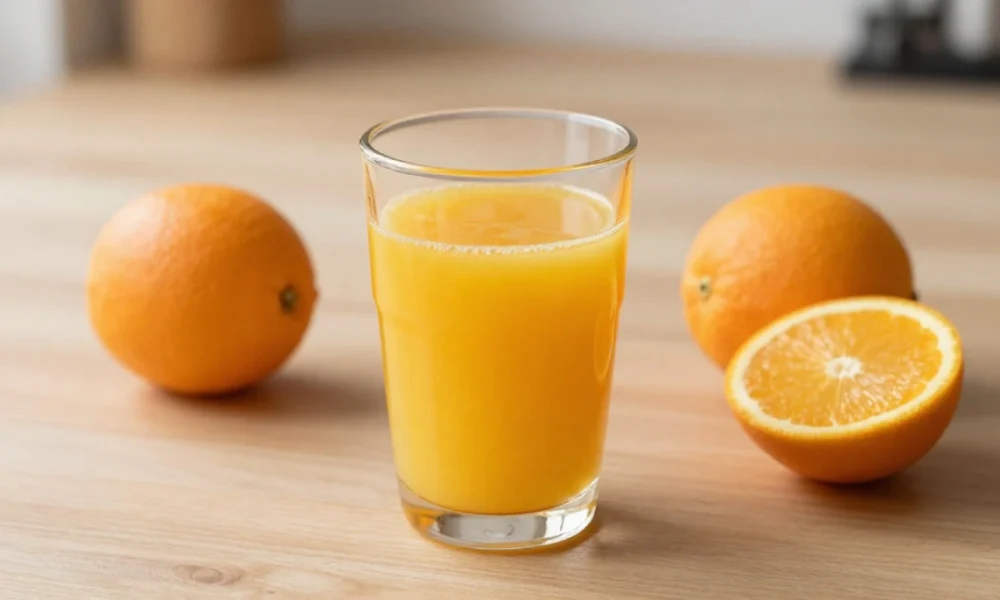
How can you make fresh orange juice at home and choose the best juicer for your needs? Freshly squeezed orange juice offers a brighter flavor and allows you to avoid added sugars found in many store-bought versions. Making it at home involves selecting the right method and equipment based on your routine, whether you value convenience, yield, or nutrient retention.
Table Of Content
Drinking homemade juice gives you control over the ingredients. You can choose to include pulp for extra fiber or strain it for a smoother texture. The process itself can be quick with the right tool.
The Nutritional Profile of Fresh Orange Juice
Oranges provide important vitamins and minerals. A key nutrient is vitamin C, an antioxidant that supports immune function. Fresh orange juice is also a source of potassium, which helps regulate blood pressure, and folate, a B-vitamin important for cell function.
Juicing at home preserves these nutrients effectively. Processing and storage can deplete some vitamins in store-bought juice. Freshly made juice typically has higher levels of vitamin C and antioxidants because it’s consumed immediately.
It’s helpful to balance fruit juices with vegetables. Nutritionists suggest aiming for a mix of about 80 percent vegetables to 20 percent fruits in juices to manage sugar intake. Adding a source of healthy fat, like avocado, can also help stabilize blood sugar levels.
Methods for Making Orange Juice
You can extract orange juice using several methods, each with different advantages. The main categories are manual presses, electric citrus juicers, and multi-purpose masticating or centrifugal juicers.
1. Manual Citrus Presses and Reamers
These are simple, hand-powered tools. A lever-style press is efficient for citrus halves, using leverage to squeeze out juice quickly into a container below. A reamer is a basic ridged cone you twist into the fruit by hand.
Presses are generally faster and yield more juice than reamers. They also compress the rind, which can release aromatic oils and add a slightly more complex, bitter note to the flavor. Reamers interact only with the fruit’s flesh, resulting in a cleaner citrus taste.
2. Electric Citrus Juicers
These appliances have a motorized reamer that spins when you press a halved orange onto it. They provide consistent pressure and are ideal for juicing larger quantities with minimal effort. Many models come with pulp strainers and automatic reverse functions to maximize yield.
3. Multi-Purpose Juicers: Centrifugal and Masticating
For juicing a wide variety of produce beyond citrus, you might consider a broader-purpose juicer. Centrifugal juicers use a fast-spinning blade to shred produce, separating juice from pulp quickly. They are powerful and fast, but can be loud and create frothier juice.
Masticating juicers, also called cold-press or slow juicers, crush and press produce at low speeds. They operate more quietly, yield more juice from many types of produce, and are believed to preserve more nutrients by minimizing heat and oxidation.
The following table compares the core juicing methods suitable for oranges.
| Method | How It Works | Best For | Key Consideration |
|---|---|---|---|
| Manual Press | Leverage squeezes halved fruit. | Daily citrus, small batches, simplicity. | Fast, high yield for citrus, easy to clean. |
| Electric Citrus Juicer | Motorized spinning reamer. | Frequent citrus juicing, consistency. | Convenient, often includes pulp control. |
| Centrifugal Juicer | High-speed blade shreds produce. | Speed, hard fruits/vegetables. | Fast, can be loud, juice may separate. |
| Masticating (Cold-Press) Juicer | Slow auger crushes and presses. | Maximum yield, nutrient retention, versatility. | Higher yield, quieter, processes greens/nuts. |
Top Juicers for Home Use
Modern juicers focus on efficiency and easier cleanup. The following models are well-regarded across different categories.
- Nama J3 Cold Press Juicer (For All-Around Performance): This masticating juicer is noted for its high yield and ease of use. It features a large hopper that allows for batch juicing. It produces smooth juice and is covered by a long-term warranty.
- Chef’n FreshForce Citrus Juicer (For a Manual Press): This handheld lever press is durable and provides efficient extraction. Its geared mechanism requires less hand effort. It is sturdy, easy to clean, and excellent for daily juicing of lemons, limes, and small oranges.
- Breville Citrus Press (For an Electric Citrus Juicer): This model is recognized for its powerful motor and high juice yield. It has a well-designed drip spout and dishwasher-safe parts for easy cleanup.
- Kuvings Auto10 Plus Juicer (For Large Batches): This masticating juicer has a large hopper capacity, ideal for making big batches of juice with minimal prep. It can hold entire recipes and is suited for frequent juicing.
- Omega Wide Mouth Vertical Juicer (A Budget-Friendly Option): This masticating juicer offers a wide chute to reduce prep time at a more accessible price point. It has an anti-clog reverse function, and most parts are dishwasher-safe.
How to Choose the Best Juicer?
Selecting the right juicer depends on your habits, kitchen space, and goals. Consider these factors to find a good match.
First, assess your juicing frequency and volume. If you drink orange juice daily, a dedicated manual or electric citrus press is efficient. For occasional use, a simple reamer may suffice. If you plan to make large batches or juice diverse produce like kale and carrots, a centrifugal or masticating juicer is necessary.
Ease of cleaning is a critical practical factor. Juicers with fewer parts and dishwasher-safe components save significant time. Pulp can stick to strainers and chutes, so models designed for easy disassembly are preferable.
Also, consider the machine’s footprint and noise. Centrifugal juicers are often louder, while masticating models run more quietly. If you have limited counter space, compact or vertical designs are advantageous.
Finally, think about yield and versatility. Masticating juicers generally extract more juice, leaving behind drier pulp. If you want to make nut milks or sorbets, look for a juicer that comes with the appropriate accessories.
Conclusion
Fresh orange juice made at home provides a noticeably brighter flavor and allows for control over ingredients. The process is straightforward once you select the right equipment for your habits.
Choosing a juicer depends on balancing your needs for convenience, yield, and versatility. A manual press offers simplicity for daily citrus, while a multi-purpose masticating juicer is well-suited for maximum nutrient retention and juicing a wide variety of produce.
Ultimately, the best method is the one you will use consistently. Starting with fresh oranges and a reliable juicer makes it simple to enjoy a more flavorful and nutritious beverage.