

How to Make Your Relocation Easier: A Step-by-Step Moving Guide
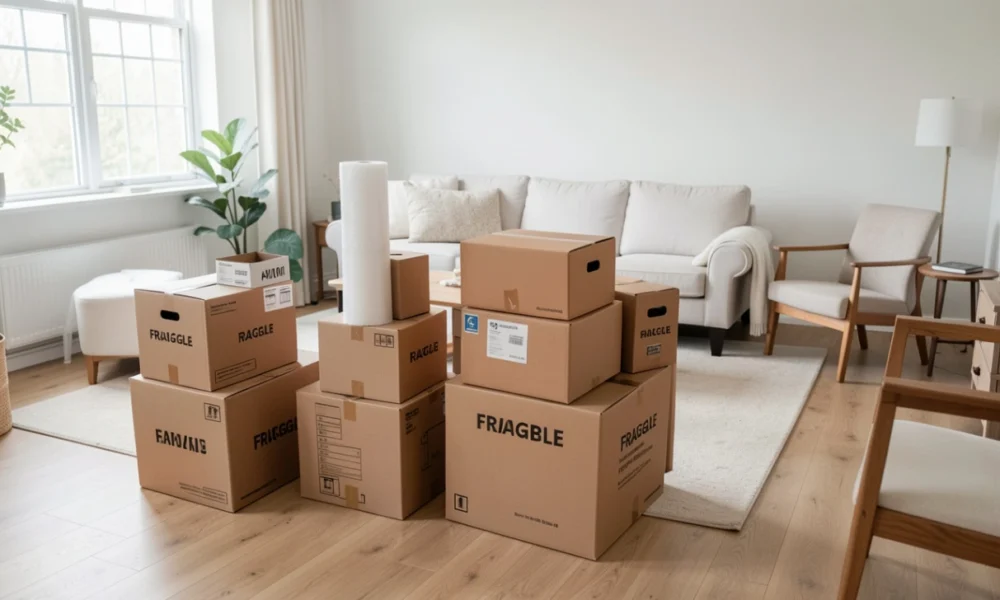
Moving is one of the most logistically demanding life events most people face. Whether you’re crossing town or relocating from another state entirely, the process involves dozens of overlapping decisions — from hiring the right moving company to updating your address with every institution that matters. With the right preparation, though, most of the stress is preventable.
Table Of Content
- Start Planning Earlier Than You Think You Need To
- Declutter Before You Pack Anything
- How to Pack Efficiently and Safely?
- Pack Room by Room
- Wrap Fragile Items Individually
- Pack an Essentials Box (Or Bag) Last
- Choosing the Right Moving Company
- Get Multiple Written Quotes
- Read Reviews and Ask for Referrals
- Understand What Services Are Included
- Moving Costs: What to Budget For
- Relocating with Pets
- Know Local Regulations Before You Arrive
- Unpacking and Settling In
- Address and Records Update Checklist
- Final Thoughts
This guide walks through each phase of a move in practical order, so nothing important slips through the cracks.
Start Planning Earlier Than You Think You Need To
The single most common mistake people make when relocating is underestimating how much time preparation actually takes. Ideally, start organizing your move at least six to eight weeks before your target date. This gives you time to research moving companies, gather quotes, sort through your belongings, and deal with the administrative side of a move — change of address forms, utility transfers, school enrollments, and so on — without everything colliding at the last minute.
Create a moving timeline and work backward from your move date, assigning tasks to specific weeks. This approach keeps the process from becoming one giant, overwhelming block of work.
Declutter Before You Pack Anything
Before touching a single box, go through your home room by room and decide what actually deserves to come with you. Moving professionals consistently note that reducing the volume of items you transport is one of the most effective ways to cut moving costs — fewer items mean a smaller truck, less labor time, and a faster unload at the other end.
Separate items into keep, donate, sell, and discard categories. Online marketplaces are a practical option for selling furniture and household goods you no longer need. Not only does this lighten your load, but it also puts money back in your pocket ahead of what is typically an expensive period.
How to Pack Efficiently and Safely?
Invest in quality packing supplies — sturdy double-walled boxes in a range of sizes, packing tape, bubble wrap, packing paper, and clearly labeled markers. Avoid using flimsy secondhand boxes for anything fragile or heavy. Pack heavy items such as books and cookware into smaller boxes to keep them manageable and reduce the risk of injury. Use larger boxes for lightweight items like pillows, linens, and clothing.
Pack Room by Room
Work through one room at a time rather than grabbing items from across the house. This makes labeling accurate and unpacking significantly easier at your destination. Label each box with the room it belongs to and a brief description of its contents — for example, “Kitchen – baking supplies” rather than just “Kitchen.” If a box contains fragile items, write “FRAGILE” clearly on multiple sides, not just the top.
Wrap Fragile Items Individually
Glassware, ceramics, framed artwork, and similar items need individual wrapping with bubble wrap or unprinted packing paper. Place heavier, fragile items at the bottom of boxes, lighter ones on top, and fill space with crumpled paper or packing peanuts to prevent shifting in transit.
Pack an Essentials Box (Or Bag) Last
This is one of the most practical habits experienced movers recommend: set aside a separate box or bag containing everything you’ll need for the first 24 to 48 hours at your new home. This typically includes toiletries, a change of clothes, phone chargers, medications, important documents, basic kitchen items, and bedding. Pack it last so it’s the first thing you unload — or keep it in your personal vehicle rather than on the moving truck.
As you pack, document what goes into each box. A basic inventory list — whether a spreadsheet, a dedicated app, or a notebook — gives you a complete record of your belongings. This is useful for several reasons: it helps you locate items quickly during unpacking, it provides a record if anything is lost or damaged, and it supports any insurance claims you may need to file.
Choosing the Right Moving Company
Any reputable moving company operating across state lines in the United States must be registered with the U.S. Department of Transportation and carry a USDOT number. For local moves, check that the company holds the appropriate state license. Always verify that movers carry liability coverage, and ask specifically about valuation options for your belongings — basic released value protection covers very little per pound, while full-value protection provides more comprehensive coverage for loss or damage.
Get Multiple Written Quotes
Contact at least three companies and request written, itemized estimates. A binding estimate locks in a price based on your inventory; a non-binding estimate can change if the actual weight differs. Avoid any company that insists on a large cash deposit upfront or provides a quote without assessing your belongings.
Read Reviews and Ask for Referrals
Check reviews on platforms such as Google, the Better Business Bureau, and the Federal Motor Carrier Safety Administration’s database. Personal referrals from friends, family, or your real estate agent carry particular weight because they reflect direct experience. If you’re moving to or from an area like South Florida, look for companies with demonstrated experience in local conditions — including familiarity with building access rules, parking logistics, and seasonal traffic patterns.
Understand What Services Are Included
Some companies offer full-service packing in addition to transport. If packing everything yourself isn’t realistic given your timeline or if you have high-value items — artwork, antiques, grand pianos, or fragile collectibles — it may be worth paying for professional packing on at least those items. Ask whether the company has experience with specialty items before committing.
Moving Costs: What to Budget For
Moving costs vary considerably depending on distance, volume, and the level of service you choose. As a general reference, a local move for a standard three to four-bedroom home typically costs around $2,700, while a long-distance move averages closer to $4,000 or more. These figures do not include additional expenses such as packing materials, temporary storage, travel costs, or tips for your movers.
To manage costs:
- Move mid-week or mid-month when demand is lower, and rates are often more competitive.
- Reduce the total volume you’re moving before finalizing your quote.
- If you’re relocating for work, ask your employer whether a relocation package or lump-sum assistance is available — many companies offer this benefit, and it often goes unclaimed simply because employees don’t ask.
Confirm the arrival time with your movers the day before. On the morning of the move, make sure the path from your home to the moving truck is clear, protect floors and walls from scuffs and scratches using moving blankets or floor runners, and have water available for the crew. Assign specific roles to anyone helping — whether that’s conducting a final room check, keeping children or pets in a calm, separate area, or directing movers at the destination.
Before the truck leaves, do a complete walkthrough of your old home. Check every room, closet, cabinet, and storage space. Verify nothing has been left behind, and note any pre-existing damage to walls or fixtures that might affect a rental deposit or sale.
Relocating with Pets
Pets find moving disorienting, and moving day specifically tends to be stressful for them because of unfamiliar sounds, open doors, and constant foot traffic. Keep them away from the main activity — in a closed room with their usual bedding and water, or with a trusted friend or family member for the day. Once you arrive at your new home, set up a familiar space for them before giving them access to the rest of the house. Update their ID tags and microchip registration with your new address as soon as possible.
Know Local Regulations Before You Arrive
If you’re moving into a managed building, condominium, or neighborhood with a homeowners association, contact the management office in advance to understand any specific move-in procedures. Many buildings restrict elevator usage or loading dock access to certain hours, and some require a refundable damage deposit before a move can proceed. In areas like West Palm Beach, certain neighborhoods also have parking restrictions that may affect where your moving truck can position itself — researching this ahead of time prevents delays and potential fines on moving day.
Unpacking and Settling In
Unpack systematically rather than at random. Set up the bedroom and bathroom first so your household can function comfortably while you work through the rest. Kitchen setup typically comes next. Resist the urge to unpack everything at once — a methodical approach reduces errors and gives you time to decide where items actually belong in a new space before committing.
Take time early on to research your new neighborhood: nearby grocery stores, medical providers, pharmacies, schools, and community services. The sooner you establish these practical reference points, the faster your new location starts to feel familiar rather than disorienting.
Address and Records Update Checklist
Notify the following as soon as your move date is confirmed, and update your address with each after the move:
- U.S. Postal Service (submit a change-of-address form at usps.com)
- Your employer and HR department
- Banks, credit card providers, and investment accounts
- Insurance providers (health, auto, home/renters)
- Utility companies at both the old and new addresses
- Your doctor, dentist, and any specialists
- Subscription services and online retailers
- Voter registration
- Vehicle registration and driver’s license (required in most states within 30 days of establishing residency)
Final Thoughts
A successful move comes down to preparation applied consistently over weeks, not a frantic effort in the days immediately before. Breaking the process into clear phases — planning, decluttering, packing, logistics, moving day, and settling in — makes each step manageable. The more thoroughly you prepare, the less likely you are to face the delays, damaged items, and unnecessary expenses that catch underprepared movers off guard.