

How to Safely Buying Cannabis Online: A Comprehensive Guide
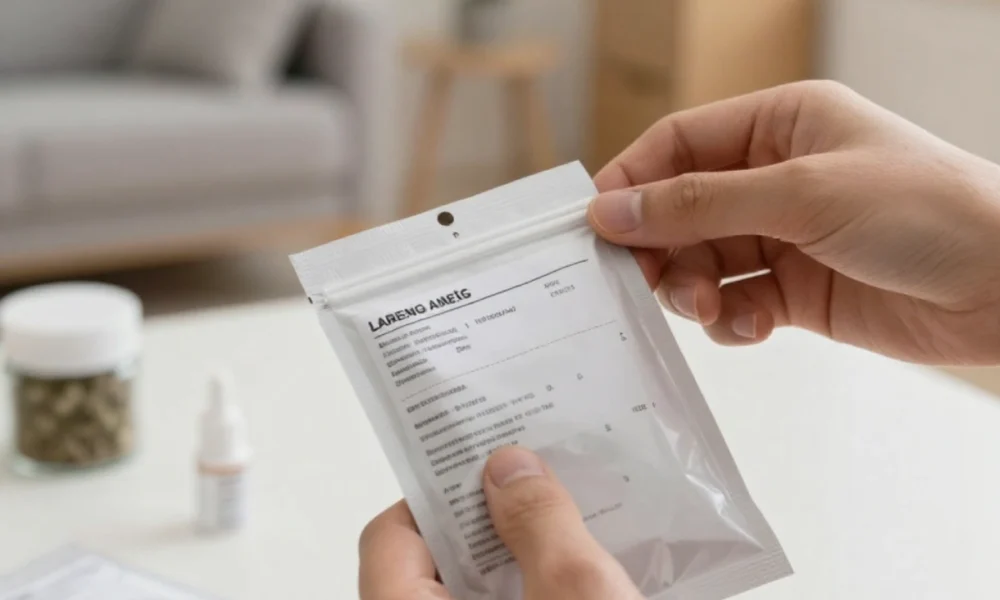
The availability of cannabis through digital retail channels has grown significantly in regions where it has been legalized. Online purchasing allows consumers to access a broader range of products than physical stores typically offer, compare options at their own pace, and receive discreet home delivery.
Table Of Content
- Understanding Cannabis Basics
- Know Your Legal Status
- Selecting a Trustworthy Retailer
- Verifying Product Safety
- Evaluating Product Quality
- Protecting Your Privacy
- Understanding Pricing
- Navigating First Purchases
- Recognizing Warning Signs
- Delivery and Receipt
- Medical vs. Recreational Considerations
- Responsible Use
- Conclusion
However, this convenience comes with responsibilities. The legal status of cannabis varies widely across jurisdictions, product quality can differ substantially between retailers, and safety considerations require careful attention. This guide explains how to approach online cannabis purchasing with knowledge and caution.
Understanding Cannabis Basics
Cannabis is a plant that produces compounds called cannabinoids, the most well-known being THC (tetrahydrocannabinol) and CBD (cannabidiol). THC is associated with psychoactive effects, while CBD is non-intoxicating and often used for wellness purposes.
Cannabis products fall into several categories:
Flower: The dried plant material that can be smoked or vaporized.
Edibles: Food and beverage products infused with cannabis extracts.
Concentrates: Highly potent extracts including oils, wax, and shatter.
Tinctures: Liquid extracts typically administered under the tongue.
Topicals: Creams and balms applied to skin, generally without psychoactive effects.
Understanding these distinctions helps you identify products suited to your needs and experience level.
Know Your Legal Status
Cannabis legality remains complex and jurisdiction-dependent. Before making any purchase, verify:
Legal Status: Confirm whether cannabis is legal in your location for recreational use, medical use, or both.
Age Requirements: Most areas require purchasers to be 21 years or older for recreational cannabis, though some medical programs accept younger patients with proper documentation.
Possession Limits: Regulations typically specify maximum amounts you can purchase or possess at one time.
Delivery Regulations: Some jurisdictions permit home delivery, while others require in-person pickup or prohibit online sales entirely.
Purchasing cannabis in areas where it remains prohibited carries legal consequences. Verify current laws through official government sources rather than relying on retailer claims.
Selecting a Trustworthy Retailer
The quality and safety of your purchase depends largely on choosing a legitimate retailer. Reliable online cannabis retailers share several characteristics:
Proper Licensing: Licensed dispensaries display their registration numbers and comply with regulatory oversight.
Transparent Business Information: Legitimate retailers provide clear contact information, physical business addresses, and customer service channels.
Detailed Product Information: Trustworthy sources list cannabinoid content, strain details, ingredients, and sourcing information.
Third-Party Testing: Reputable retailers provide lab test results showing product safety and potency verification.
Clear Policies: Shipping terms, return policies, privacy practices, and terms of service should be readily accessible.
Established Reputation: Look for retailers with sustained operation history and verifiable customer feedback.
Avoid retailers with vague business information, missing license details, or prices significantly below market averages, as these often indicate quality or legitimacy issues.
Verifying Product Safety
Cannabis products should undergo testing for safety and quality. Laboratory analysis typically examines:
Cannabinoid Profile: Accurate measurement of THC, CBD, and other cannabinoid levels.
Contaminant Screening: Testing for pesticides, heavy metals, residual solvents, and microbial contaminants like mold and bacteria.
Potency Verification: Confirmation that labeled potency matches actual content.
Certificates of Analysis (COAs) document these test results. Reputable retailers make COAs accessible through product pages or upon request. Products without available testing documentation carry unknown safety risks.
Evaluating Product Quality
Beyond safety testing, several factors indicate product quality:
Proper Labeling: Complete ingredient lists, clear dosage information, and accurate cannabinoid percentages.
Appropriate Packaging: Child-resistant containers and tamper-evident seals.
Storage Recommendations: Guidance on maintaining product freshness and potency.
Expiration Dates: Particularly important for edibles and certain concentrates.
Strain Information: For flower products, details about strain type (indica, sativa, or hybrid) and expected effects.
High-quality products provide the information needed to make informed consumption decisions.
Protecting Your Privacy
Online cannabis purchases involve sensitive personal and financial data. Privacy protections to consider include:
Data Encryption: Secure websites use HTTPS protocols and encrypt payment information.
Privacy Policies: Review how retailers collect, store, and share customer data.
Discreet Packaging: Shipments should arrive in unmarked packaging without cannabis-related labeling.
Payment Security: Legitimate retailers use secure payment processors. Be cautious of sites requesting unusual payment methods.
Account Security: Use strong passwords and enable two-factor authentication when available.
Some retailers accept cryptocurrency or other privacy-focused payment options for customers seeking additional discretion.
Understanding Pricing
Cannabis pricing varies based on product type, potency, quality, and regional market conditions. When comparing costs:
Consider Total Costs: Include product price, taxes, and shipping fees.
Evaluate Quality Indicators: Extremely low prices may indicate inferior quality or inadequate testing.
Look for Transparency: Reputable retailers clearly itemize all costs before purchase completion.
Check for Promotions: Many dispensaries offer periodic discounts, though these should not compromise product quality.
Understand Tax Obligations: Cannabis purchases often carry additional excise or sales taxes.
Price alone should not determine your choice. Safety, quality, and retailer reliability outweigh minor cost differences.
Navigating First Purchases
If you’re new to purchasing cannabis online, consider these approaches:
Start with Smaller Orders: Test both the product quality and retailer service before larger purchases.
Research Product Effects: Understand expected effects of different strains and product types.
Begin with Lower Potency: New users should choose products with moderate THC levels.
Read Product Reviews: Customer feedback provides insight into product effects and quality.
Consult Dosage Guidelines: Follow recommended serving sizes, especially for edibles.
Ask Questions: Reputable retailers provide customer support to answer product questions.
Taking measured steps reduces risks and helps you identify products and retailers that meet your needs.
Recognizing Warning Signs
Avoid retailers displaying these red flags:
Missing or Unclear Licensing Information: Legitimate businesses readily provide license verification.
Absence of Lab Testing: Products without testing documentation pose safety risks.
Unrealistic Claims: Beware of exaggerated health claims or guaranteed effects.
Poor Website Security: Sites without HTTPS encryption compromise your data.
Vague Return Policies: Unclear or absent return policies suggest poor business practices.
Unresponsive Customer Service: Difficulty contacting support indicates potential problems.
Pressure Tactics: Legitimate retailers don’t use aggressive sales techniques or false urgency.
Trust your instincts. If something feels questionable, research alternatives.
Delivery and Receipt
Once you’ve placed an order:
Confirm Order Details: Review purchase confirmation for accuracy.
Track Shipments: Most retailers provide tracking information.
Verify Package Integrity: Inspect packages for tampering before accepting delivery.
Check Products Upon Arrival: Confirm items match your order and appear properly sealed.
Store Properly: Follow storage instructions to maintain product quality.
Keep Documentation: Retain receipts and packaging in case of issues.
Address any discrepancies with customer service promptly.
Medical vs. Recreational Considerations
The purchasing process may differ based on intended use:
Medical Cannabis: Often requires healthcare provider documentation, may have different product options, and might offer tax exemptions.
Recreational Cannabis: Generally available to adults meeting age requirements without additional documentation.
Some jurisdictions maintain separate regulatory frameworks for medical and recreational products. Verify which category applies to your situation and purchase accordingly.
Responsible Use
Purchasing cannabis legally comes with responsibilities:
Follow Dosage Recommendations: Especially important for edibles, which have delayed onset.
Store Securely: Keep products away from children and pets.
Don’t Drive Impaired: Cannabis affects reaction time and judgment.
Respect Local Regulations: Comply with consumption location restrictions.
Be Aware of Workplace Policies: Many employers maintain cannabis-free workplace policies.
Responsible use protects both your wellbeing and legal standing.
Conclusion
Purchasing cannabis online offers convenience and product variety when approached with appropriate caution. Understanding legal requirements, selecting licensed retailers, verifying product testing, and protecting your privacy form the foundation of safe online cannabis shopping.
The market continues to mature, with improving safety standards and regulatory oversight in legalized regions. By prioritizing verified information over convenience or cost savings, you can access quality cannabis products while minimizing risks.
Always verify current laws in your jurisdiction, as regulations change periodically. When in doubt, consult official government resources or legal professionals familiar with cannabis regulations in your area.