

How to Start a T-Shirt Printing Business: Complete Guide for Beginners
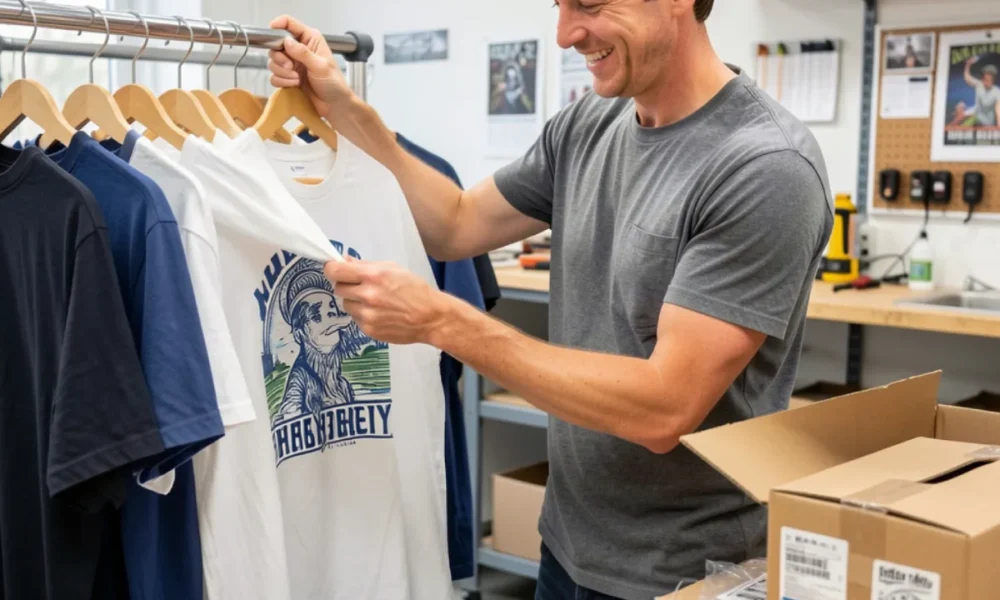
The custom apparel industry continues to grow as consumers seek personalized clothing and businesses need branded merchandise. Starting a t-shirt printing business offers opportunities to combine creative skills with entrepreneurial goals, whether you’re serving individual customers, local businesses, or online markets.
Table Of Content
- Understanding Your Business Model Options
- Defining Your Target Market
- Establishing Your Legal Foundation
- Selecting Printing Methods and Equipment
- Sourcing Quality Materials
- Creating Designs That Sell
- Building Your Sales Channels
- Pricing for Profitability
- Implementing Quality Control
- Providing Customer Service
- Marketing Your Business
- Planning for Growth
- Managing Common Challenges
- Moving Forward
This guide walks through the essential steps to launch and operate a successful t-shirt printing company, from choosing your business model to scaling operations.
Understanding Your Business Model Options
Before investing in equipment or inventory, decide which business model aligns with your goals and budget.
Inventory-Based Model: You purchase blank t-shirts in bulk, print designs in advance or on-demand, and maintain stock. This approach offers higher profit margins per unit and faster fulfillment but requires upfront capital and storage space.
Print-on-Demand (POD): You partner with a fulfillment service that handles printing and shipping when orders arrive. This model minimizes startup costs and eliminates inventory risk but results in lower profit margins and less control over production quality.
Hybrid Approach: Many businesses combine both models, using POD for testing new designs while maintaining inventory for bestsellers and local customers.
Your choice affects equipment needs, startup costs, and operational workflows.
Defining Your Target Market
Identifying your ideal customers shapes every business decision from design choices to marketing channels.
Common target markets include:
- Individual consumers seeking custom designs for events or personal use
- Small businesses needing branded apparel for employees or promotions
- Schools and sports teams requiring uniforms or spirit wear
- Niche communities (gamers, pet owners, hobbyists) looking for specialized designs
- Event organizers needing merchandise for festivals or conferences
Research your chosen market to understand their preferences, typical order sizes, and price sensitivity. This knowledge informs your product offerings and pricing structure.
Establishing Your Legal Foundation
Proper business registration protects you legally and builds customer trust.
Register your business name and choose a legal structure. Sole proprietorships are simplest but offer no personal liability protection. Limited Liability Companies (LLCs) separate personal and business assets while maintaining operational flexibility.
Obtain necessary licenses and permits required in your jurisdiction. Requirements vary by location but may include general business licenses, sales tax permits, and home occupation permits if operating from your residence.
Open a dedicated business bank account to separate personal and business finances. This simplifies accounting and tax preparation.
Consider business insurance to protect against equipment damage, liability claims, or other unexpected events.
Selecting Printing Methods and Equipment
Your printing method determines production capabilities, costs, and the types of orders you can accept.
Screen Printing: Best for high-volume orders with limited colors. Each color requires a separate screen, making setup time-intensive but cost-effective for bulk runs. Startup costs range from $500 for basic manual equipment to $5,000+ for automatic presses. Ideal for businesses focusing on bulk orders.
Direct-to-Garment (DTG): Uses specialized inkjet printers to apply complex, multicolor designs directly onto fabric. Minimal setup time makes it suitable for small batches and custom orders. Entry-level DTG printers start around $10,000, with professional models exceeding $20,000. Best for diverse design catalogs and on-demand printing.
Heat Transfer: Designs are printed on transfer paper or vinyl and applied using a heat press. Equipment costs are lowest ($200-$2,000) but per-unit costs are higher and durability varies. Works well for startups testing the market or low-volume operations.
Sublimation: Uses heat to transfer dye onto polyester fabrics, creating permanent, vibrant prints. Requires specific fabric types but produces excellent results for athletic wear and all-over prints. Equipment costs range from $500-$3,000.
Most businesses start with one method and expand capabilities as demand grows.
Sourcing Quality Materials
The foundation of any printed t-shirt is the blank garment itself.
Research wholesale suppliers offering consistent quality, reliable delivery, and competitive pricing. Compare fabric weights, fits, and brands to find options that meet your standards and budget.
Purchase sample shirts from multiple suppliers before committing to bulk orders. Test how different fabrics accept your chosen printing method and how they hold up after washing.
Common fabric options include 100% cotton (breathable, comfortable), cotton-polyester blends (affordable, wrinkle-resistant), and performance fabrics (moisture-wicking for athletic wear).
Order inventory in standard sizes and popular colors to minimize risk. Expand your range as you learn which options sell best.
Beyond blank shirts, stock adequate supplies of inks, transfer materials, packaging supplies, and cleaning solutions specific to your printing method.
Creating Designs That Sell
Original designs differentiate your business from competitors.
If you have design skills, invest in professional software like Adobe Illustrator or similar vector-based programs. Vector files scale without quality loss and work across different printing methods.
Without design experience, hire freelance designers on a per-project basis or bring on a designer as your business grows. Clear communication about your target market and brand aesthetic helps designers create appropriate work.
When developing designs, consider:
- Copyright and trademark law: Never use others’ intellectual property without proper licensing
- Design complexity and your printing capabilities
- Color limitations of your chosen printing method
- Current trends balanced with timeless appeal
Monitor design trends through social media, industry publications, and competitor offerings, but maintain a distinctive style that reflects your brand.
Building Your Sales Channels
Reach customers through multiple channels to maximize sales potential.
E-commerce Website: A professional website serves as your digital storefront. Include clear product images, detailed descriptions, size charts, and an intuitive ordering system. Platforms like Shopify, WooCommerce, or Squarespace offer templates designed for product-based businesses.
Online Marketplaces: Platforms like Etsy, Amazon Handmade, or Redbubble provide built-in traffic but charge fees and increase competition. They work well for testing designs and supplementing your primary sales channels.
Social Media: Instagram and Facebook allow direct audience engagement. Share behind-the-scenes content, customer photos, and new releases. Social commerce features let customers purchase without leaving the platform.
Local Markets: Participating in craft fairs, pop-up shops, or community events builds local awareness and provides face-to-face customer interaction.
Wholesale Partnerships: Approach local boutiques, gift shops, or specialty stores about carrying your designs on consignment or wholesale.
Pricing for Profitability
Sustainable pricing covers costs while remaining competitive.
Calculate your cost per shirt including:
- Blank garment cost
- Printing materials (ink, transfer paper, etc.)
- Labor time at a reasonable hourly rate
- Overhead (rent, utilities, equipment maintenance)
- Packaging and shipping materials
- Marketing expenses
Add your desired profit margin to determine retail pricing. Industry standards typically mark up costs by 2-3x for retail sales.
Research competitor pricing to ensure your rates align with market expectations. Significantly higher prices require justification through superior quality, unique designs, or specialized services.
Offer bulk order discounts to attract business clients while maintaining profitability through volume. Create clear pricing tiers based on quantity.
Implementing Quality Control
Consistent quality builds reputation and reduces returns.
Establish quality checks at each production stage:
- Inspect blank shirts for defects before printing
- Verify design files for correct dimensions and resolution
- Test print settings on scrap material
- Examine finished products for print quality, alignment, and curing
- Package items carefully to prevent damage during shipping
Document your quality standards and processes. As you hire staff, these guidelines ensure consistent output regardless of who handles production.
Address quality issues immediately. Replace defective items promptly and use feedback to refine processes.
Providing Customer Service
Positive customer experiences generate repeat business and referrals.
Respond to inquiries promptly with clear information about products, pricing, and timelines. Set realistic expectations for production and shipping times.
For custom orders, provide digital mockups showing how designs will appear on the final product. This preview prevents misunderstandings and ensures customer satisfaction.
Handle complaints professionally. When issues arise, listen to customer concerns, offer fair solutions, and learn from the experience.
Collect customer feedback through follow-up emails or surveys. This information reveals areas for improvement and demonstrates you value customer opinions.
Marketing Your Business
Effective marketing attracts customers and builds brand awareness.
Content Marketing: Share valuable content related to your niche. If you serve sports teams, post about team-building or spirit wear trends. This positions you as knowledgeable and builds trust.
Email Marketing: Build an email list offering subscribers exclusive discounts or early access to new designs. Regular newsletters keep your business top-of-mind.
Paid Advertising: Social media ads and search engine marketing target specific demographics. Start with small budgets to test effectiveness before scaling spending.
Partnerships: Collaborate with complementary businesses, local influencers, or community organizations. Co-marketing expands your reach to new audiences.
Customer Referrals: Encourage satisfied customers to refer friends by offering discounts or rewards for successful referrals.
Planning for Growth
As your business establishes itself, consider expansion strategies.
Expand Product Range: Add related items like hoodies, tote bags, or hats using your existing equipment and supplier relationships.
Increase Production Capacity: Upgrade equipment, hire staff, or move to larger facilities when demand consistently exceeds current capabilities.
Develop Additional Revenue Streams: Offer design services, sell printing supplies, or teach workshops about your craft.
Target New Markets: Once you master one customer segment, apply your knowledge to adjacent markets.
Improve Efficiency: Analyze workflows to identify bottlenecks. Invest in automation or process improvements that reduce production time without sacrificing quality.
Growth should be intentional and sustainable. Maintain the quality and customer service that built your reputation while scaling operations.
Managing Common Challenges
Every business faces obstacles. Anticipating common issues helps you respond effectively.
Inconsistent Cash Flow: Seasonal demand fluctuations affect many t-shirt businesses. Build financial reserves during peak seasons to cover slower periods.
Equipment Breakdowns: Maintain equipment according to manufacturer guidelines and keep backup supplies on hand. Know local repair services or have contingency plans for urgent orders.
Design Theft: Watermark design previews and clearly state terms prohibiting unauthorized reproduction of your work.
Competition: Differentiate through superior quality, unique designs, specialized expertise, or exceptional service rather than competing solely on price.
Moving Forward
Starting a t-shirt printing business requires careful planning, quality execution, and ongoing adaptation to market changes. Success comes from understanding your customers, delivering consistent quality, and building a reputation for reliability.
Begin with thorough research, start small to test your market and capabilities, then grow strategically based on real demand and feedback. The combination of creativity, business acumen, and commitment to quality creates a foundation for long-term success in the custom apparel industry.