

How to Start a Bubble Tea Business in 2026: A Strategic Guide to Market Entry, Costs, and Operations
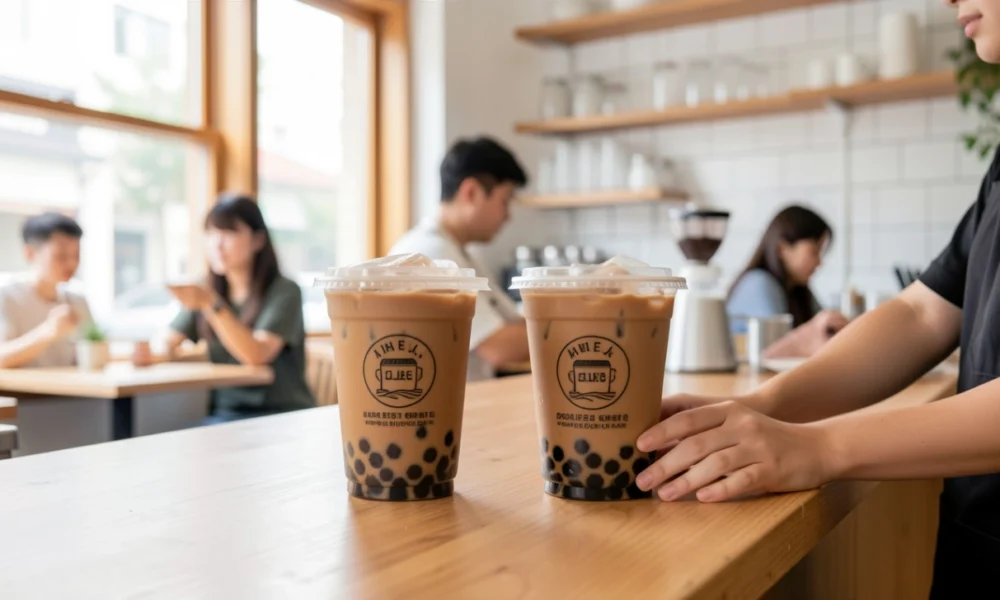
The global bubble tea market continues its robust expansion, projected to grow from USD 3.03 billion in 2026 to USD 5.62 billion by 2034. For food and beverage professionals, this growth signals a mature market with significant entry points, provided they navigate it with current data and a clear strategy. This guide moves beyond generic advice to provide a 2026-focused roadmap, covering market realities, business model selection, and the operational pillars of a successful bubble tea venture.
Table Of Content
- Why the Bubble Tea Market Remains a Strong Bet in 2026
- Sustained Consumer Demand Across Demographics
- The Shift Toward Health-Conscious Offerings
- Scalability and Flexible Business Models
- How to Start a Bubble Tea Business: Choosing Your Path
- The Franchise Route: Stability and Support
- The Independent Route: Creative Freedom and Control
- The 2026 Bubble Tea Business Plan: Costs and Key Considerations
- Core Components of Your Plan
- Initial Investment and Ongoing Expenses
- Projecting Revenue and Profitability
- Operational Mastery: From Supply Chain to Customer Experience
- Mastering the Supply Chain
- Designing the Customer Experience
- Marketing in a Digital-First World
- FutureProofing Your Bubble Tea Business
Why the Bubble Tea Market Remains a Strong Bet in 2026
Understanding the underlying drivers of market growth is essential before exploring operational logistics. Several converging factors contribute to the sustained demand for bubble tea.
Sustained Consumer Demand Across Demographics
Bubble tea has transitioned from a novelty to a staple, particularly among younger consumers. Its appeal lies in its high degree of customization, allowing customers to tailor sweetness levels, tea bases, and an array of toppings like tapioca pearls, grass jelly, and popping boba. This “build-your-own” aspect creates a unique value proposition that keeps customers returning. In markets like India, the consumer base is overwhelmingly young and digitally native, with over 60% of customers between 16 and 34 years old.
The Shift Toward Health-Conscious Offerings
A significant trend shaping the 2026 market is the demand for healthier options. Consumers are increasingly seeking “Clean Label” products with natural ingredients and reduced sugar content. This has led to the rise of alternatives like crystal boba (agar pearls), plant-based milk options (oat, soy, almond), and natural sweeteners. This evolution allows the product to appeal to wellness-focused consumers without sacrificing the experiential pleasure of the drink.
Scalability and Flexible Business Models
The bubble tea business model is inherently scalable. Entrepreneurs can start with a low-cost delivery-only kitchen or a small kiosk and expand into a full-scale flagship operation as demand grows. The operational simplicity—often requiring just 350-800 square feet and a small team—lowers the barrier to entry compared to full-service restaurants
How to Start a Bubble Tea Business: Choosing Your Path
One of the first critical decisions is selecting a business model that aligns with your experience, budget, and long-term goals. The choice primarily lies between an independent brand and a franchise.
| Feature | Independent Brand | Franchise (e.g., Chatime, Kongsi Tea Bar, Toppings N Tea) |
|---|---|---|
| Brand Recognition | None; must be built from scratch. | Immediate recognition and customer trust. |
| Creative Control | Full freedom over recipes, branding, and design. | Limited; must adhere to franchisor guidelines. |
| Initial Investment | Highly variable; can be lower initially but with higher marketing costs. | Higher, due to franchise fees, fit-out, and royalties. |
| Operational Risk | Higher, as you must develop all processes and supply chains. | Lower, due to proven systems, training, and support. |
| Supply Chain | Self-managed; requires sourcing and vetting suppliers. | Provided by franchisor, ensuring consistency and quality. |
| Long-Term Value | Full ownership and brand equity, with high growth potential. | Business value is tied to the franchise agreement. |
The Franchise Route: Stability and Support
For first-time business owners, a franchise offers a structured pathway. Franchisors like Chatime provide comprehensive training, site selection assistance, and a centralized supply chain, which helps ensure product consistency and mitigates initial operational hurdles. The investment for a franchise can vary significantly based on location and store format. For example, the estimated investment for a BŌBABŌBA franchise in Australia ranges from $330,000 to $450,000 AUD, while a Toppings N Tea franchise requires an investment between $250,000 and $550,000 AUD. In India, a Kongsi Tea Bar franchise costs approximately ₹25 lakhs, with total setup costs for a mid-sized independent outlet estimated between ₹20–30 lakhs. Ongoing costs include royalties and marketing fees, which support continued brand development.
The Independent Route: Creative Freedom and Control
Choosing to build an independent brand is suited for experienced entrepreneurs with a clear vision for differentiation. This path grants complete control over product recipes, store design, and brand voice, allowing for rapid adaptation to local market trends. However, it comes with the responsibility of building a brand from zero and managing your own supply chain. Success in this model hinges on a strong concept and a reliable partner for sourcing ingredients. Suppliers like Boba Empire offer customized recipe development and startup guidance for independent brands, helping them navigate the complexities of product formulation and sourcing.
The 2026 Bubble Tea Business Plan: Costs and Key Considerations
A robust business plan is your blueprint for success. It must be grounded in current market data and a realistic assessment of costs.
Core Components of Your Plan
Your plan should include a detailed market assessment, identifying gaps in your local area. Analyze existing competitors—are they international chains or local kiosks—and determine what you can offer that is different, such as a specific, authentic origin (e.g., Thai or Taiwanese tea) or a unique store experience.
Initial Investment and Ongoing Expenses
Understanding the full financial picture is critical. Costs are typically divided into initial setup and ongoing operations.
Initial Setup Costs:
- Franchise Fee: (If applicable) Paid to secure the rights to operate under a brand name.
- Store Fit-Out and Equipment: Includes leasehold improvements, furniture, signage, and specialized equipment like tea brewers, sealers, coolers, and POS systems .
- Licenses and Permits: Securing the necessary food service licenses, health department permits, and business registrations.
- Initial Inventory: The first order of tea leaves, tapioca pearls, syrups, and packaging.
Ongoing Operating Expenses:
- Rent and Utilities: A high fixed cost, highly dependent on location.
- Cost of Goods Sold (COGS): The cost of all ingredients. This can be optimized through bulk purchasing and minimizing waste.
- Labor: Wages for staff, which tywholy numbersnumberople per shift.
- Royalties and Marketing Fees: (For franchises) Paid to the franchisor for ongoing support and brand marketing.
- Delivery Commissions: Fees paid to third-party delivery platforms .
Projecting Revenue and Profitability
A typical target for a new outlet is 150-200 cups per day, which can lead to a break-even point within 15-18 months . Profit margins for a mature outlet can reach 12-20 percent after optimizing expenses and building a steady customer base . Factors like menu engineering—promoting high-margin items like specialty toppings and combos—can significantly boost average order value.
Operational Mastery: From Supply Chain to Customer Experience
The long-term success of a bubble tea business depends on operational excellence and staying attuned to market trends.
Mastering the Supply Chain
A reliable supply chain is the backbone of a consistent product. For newcomers, building this independently is a major challenge. Risks include inconsistent ingredient quality, international shipping delays, and navigating food safety regulations .
A strategic approach is to partner with a supplier that offers more than just ingredients. Look for partners with necessary certifications like HACCP, ISO, and Halal to ensure your ingredients meet international safety standards and can be a “regulatory passport” for your business . The best suppliers act as an extension of your R&D team, offering rapid prototyping and custom formulation to help you keep up with trends like vegan creamers or functional ingredients such as GABA rice matcha .
Designing the Customer Experience
The customer experience extends beyond the taste of the drink. Store ambiance, service speed, and packaging aesthetics all contribute to a memorable visit. Creating “Instagrammable” moments through visually appealing drinks and a photogenic store layout can drive significant organic visibility on social media .
Innovative models are redefining this experience. Toppings N Tea in Australia, for instance, uses a self-serve model where customers create their own drinks with unlimited toppings for a fixed price. This model drives higher repeat visits and requires minimal staffing, potentially operating with just one full-time team member per location .
Marketing in a Digital-First World
Your marketing strategy must blend digital and local tactics.
- Digital Storytelling: Use platforms like Instagram and TikTok to showcase the visual appeal of your drinks. Short videos of pearls being cooked, drinks being assembled, and “first sip” reactions are highly engaging .
- DeliveryPlatform Optimization: Ensure your listings on food delivery apps feature professional photography and targeted offers to improve your ranking and visibility .
- Community Building: Host local events like student discount days or collaborate with local artists to turn your shop into a community hub, fostering genuine word-of-mouth .
FutureProofing Your Bubble Tea Business
The bubble tea industry in 2026 is characterized by rapid evolution. Staying ahead requires an awareness of key trends:
- Retail Expansion (OMO): The future includes moving beyond the physical shop. There is a growing market for Ready-to-Drink (RTD) bottled bubble tea and microwaveable boba kits sold in retail channels like grocery stores and on Amazon . ThisOnline-Merge-Offlinee (OMO) strategy creates a second revenue stream.
- Flavor Innovation and Hybrid Concepts: The market is seeing a push into new categories, such as alcohol-infused teas, popping boba used in desserts and even ramen, and savory flavor profiles .
- Sustainabilityy: Environmental concerns are driving a shift toward biodegradable packaging, compostable straws, and reusable cup programs, aligning the industry with the values of a more eco-conscious consumer base .
Starting bubble tea business in 2026 is a venture into a dynamic and growing global market. By grounding your strategy in thorough research, choosing the right operational model, and committing to quality and innovation, you can build a resilient and profitable brand that resonates with today’s consumers.