

How to Start a Landscaping Business: Planning, Services, and Operations
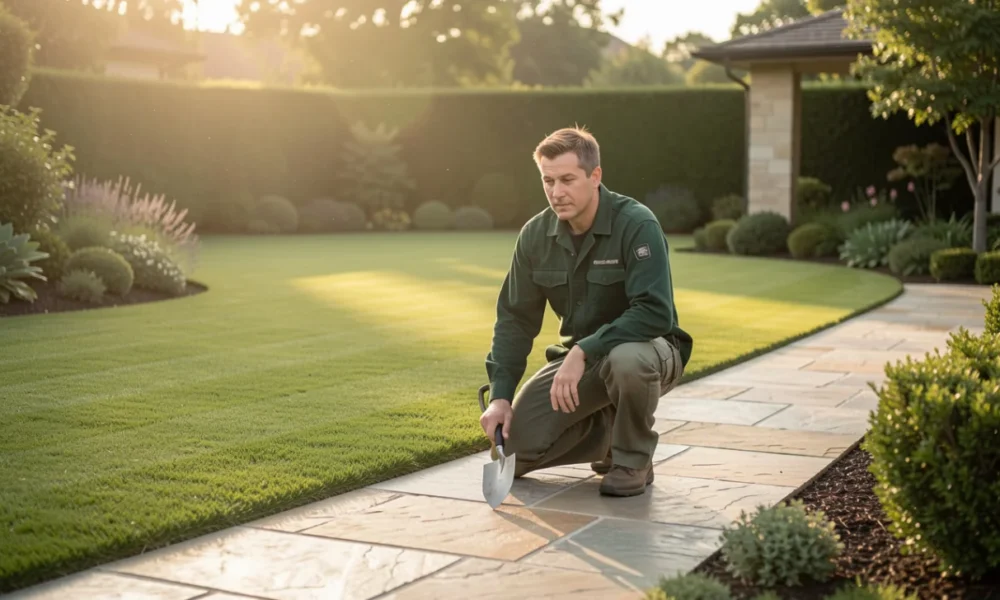
Landscaping businesses provide outdoor maintenance, installation, and design services to residential and commercial clients. The industry includes a broad range of work, from routine lawn care to the construction of patios, walkways, and irrigation systems.
Table Of Content
- What Landscaping Businesses Do
- Lawn and Turf Care
- Garden and Planting Maintenance
- Hardscape Installation
- Tree and Shrub Care
- Irrigation and Drainage
- Planning a Landscaping Business
- Business Structure and Registration
- Licenses and Permits
- Insurance
- Equipment and Supply Considerations
- Core Equipment
- Vehicle and Trailer Considerations
- Supplies and Materials
- Pricing and Estimating Work
- Cost-Based Pricing
- Flat Rate vs. Hourly Billing
- Market Research
- Financial Management for Small Landscaping Firms
- Separating Business and Personal Accounts
- Invoicing and Payment Terms
- Tracking Job Profitability
- Finding and Retaining Clients
- Local Marketing Methods
- Digital Presence
- Client Communication
- Staffing and Team Development
- When to Hire
- Hiring Practices
- Retention and Training
- Operational Considerations for Long-Term Stability
- Seasonal Planning
- Sustainable Practices
- Professional Development
- Summary
For individuals considering self-employment in this field, starting a landscaping business requires practical planning, an understanding of the local market, and investment in tools and insurance. This article outlines the common services landscaping businesses offer, the equipment and operational steps involved, and the business considerations that support long-term stability.
What Landscaping Businesses Do
Landscaping is not a single trade. It encompasses several categories of work, each requiring different skill levels, tools, and materials. Many landscaping businesses begin with one service area and expand as they gain experience and client demand.
Lawn and Turf Care
Routine lawn maintenance is the most common entry point for new landscaping businesses. Services typically include:
- Mowing and edging
- Weed control
- Fertilization and soil amendment
- Aeration and overseeding
These services are recurring and provide predictable revenue when structured as weekly, biweekly, or monthly contracts.
Garden and Planting Maintenance
Garden work involves the care of ornamental plants, flower beds, and shrubs. Common tasks include:
- Pruning and deadheading
- Mulching
- Seasonal planting
- Weed suppression
Clients who invest in garden design often require ongoing maintenance to preserve the appearance and health of their plantings.
Hardscape Installation
Hardscape refers to the non-living elements of a landscape. Installation projects require knowledge of grading, material properties, and construction methods. Services include:
- Patios and walkways
- Retaining walls
- Outdoor kitchens and fire pits
- Gravel or stone pathways
These projects are typically one-time or infrequent and require higher upfront quotes than maintenance work.
Tree and Shrub Care
Tree work ranges from routine pruning to hazard removal. Because of the safety risks involved, some landscaping businesses subcontract tree removal to licensed arborists or invest in certified training. Services include:
- Pruning and shaping
- Removal of dead or hazardous trees
- Planting and transplanting
- Stump grinding
Irrigation and Drainage
Water management is a specialized area within landscaping. Services may include:
- Installation of sprinkler systems
- Drip irrigation setup
- Drainage correction
- System repair and winterization
In regions with seasonal weather changes, irrigation maintenance is a recurring service that supports year-round client relationships.
Planning a Landscaping Business
Before performing work for paying clients, new business owners need to establish a legal and operational foundation. The following steps apply to most service businesses in the United States and similar markets.
Business Structure and Registration
Choosing a legal structure affects personal liability, taxes, and recordkeeping. Common options include:
- Sole proprietorship: Low cost and simple, but does not separate personal and business assets.
- Limited liability company (LLC): Provides personal liability protection and is the most common structure for small landscaping firms.
- Corporation: Less common for startups due to regulatory and tax complexity.
Registration typically involves filing with the state and obtaining an employer identification number (EIN) from the IRS.
Licenses and Permits
Licensing requirements vary by state and municipality. Common requirements include:
- General business license
- Contractor’s license (required in some states for work over a certain value)
- Pesticide applicator license (if applying chemical treatments)
- Specialty permits for irrigation or tree work
Business owners should consult their local licensing authority before advertising services.
Insurance
Landscaping work involves physical labor, power equipment, and client property. Standard insurance coverage includes:
- General liability insurance: Covers property damage and client injury claims.
- Commercial auto insurance: Required for vehicles used for business purposes.
- Workers’ compensation: Legally required in most states once employees are hired.
- Tools and equipment coverage: Protects against theft or damage.
Insurance costs vary based on coverage limits, business location, and claims history.
Equipment and Supply Considerations
New landscaping businesses face the challenge of acquiring equipment while managing startup costs. A phased approach—purchasing essential tools first and expanding as revenue grows—is common.
Core Equipment
The following equipment is necessary for most general-service landscaping businesses:
- Mowers: Push mowers for small properties; riding or zero-turn mowers for larger accounts
- Trimmers and edgers: Gas, battery, or corded electric models
- Leaf blowers: Handheld or backpack
- Hand tools: Shovels, rakes, pruners, loppers, wheelbarrows
- Transport: Truck and trailer or van with equipment storage
Vehicle and Trailer Considerations
Commercial-grade vehicles are not always required at startup, but the chosen vehicle must be capable of hauling equipment safely. A trailer increases transport capacity and allows the use of a personal vehicle for towing.
Supplies and Materials
In addition to equipment, businesses must stock consumable supplies such as:
- Fertilizer and seed
- Mulch and topsoil
- Replacement parts (blades, trimmer line, filters)
- Fuel and lubricants
Inventory management helps prevent job delays and unnecessary trips to supply retailers.
Pricing and Estimating Work
Pricing landscaping services requires balancing competitiveness with profitability. New business owners often underprice work due to inexperience or fear of losing clients.
Cost-Based Pricing
A reliable method is to calculate the total cost of performing a job and then add a markup. Costs include:
- Labor (hourly wages plus payroll taxes and benefits)
- Equipment operation and depreciation
- Materials and disposal fees
- Overhead (insurance, marketing, office expenses)
- Desired profit margin
Flat Rate vs. Hourly Billing
- Flat-rate pricing: Common for defined tasks such as mowing or mulching. Provides predictability for the client.
- Hourly billing: Often used for projects with unknown variables, such as cleanup after storm damage or overgrown properties.
Market Research
Published industry averages provide general guidance, but local rates vary significantly. Reviewing competitor pricing, where publicly available, can inform rate setting without requiring direct price matching.
Financial Management for Small Landscaping Firms
Financial discipline distinguishes stable businesses from those that struggle with cash flow.
Separating Business and Personal Accounts
A dedicated business bank account simplifies tax preparation and provides a clear view of profitability. Accounting software designed for small service businesses can track income, expenses, and invoices.
Invoicing and Payment Terms
Timely invoicing supports consistent cash flow. Standard practices include:
- Invoicing immediately upon job completion
- Offering electronic payment options
- Setting clear payment terms (e.g., net 15 or net 30)
- Following up on overdue accounts
Tracking Job Profitability
Not all revenue is profitable. Tracking the actual time and materials spent on each job helps identify which services yield acceptable margins and which may need repricing or discontinuation.
Finding and Retaining Clients
Client acquisition in landscaping relies on both digital presence and local reputation.
Local Marketing Methods
- Door hangers and direct mail: Effective in targeted neighborhoods, especially during seasonal transitions.
- Vehicle signage: Converts work vehicles into mobile advertisements.
- Referral programs: Existing clients are the most reliable source of new business.
Digital Presence
A basic website that includes service descriptions, contact information, and photo examples of completed work establishes credibility. Local search visibility is supported by:
- A Google Business Profile with accurate hours and service area
- Consistent name, address, and phone number across online directories
- Client reviews, which influence both search ranking and purchasing decisions
Client Communication
Clear communication reduces misunderstandings and improves retention. Practices include:
- Confirming appointments in advance
- Providing written estimates
- Explaining what services include—and what they do not
- Responding promptly to service inquiries and complaints
Staffing and Team Development
Many landscaping businesses begin as solo operations. Hiring is typically driven by demand exceeding solo capacity.
When to Hire
Indicators that hiring may be necessary include:
- Consistently turning down work due to schedule constraints
- Inability to complete work within reasonable timeframes
- Physical limitations or safety concerns when working alone
Hiring Practices
Landscaping labor is physically demanding. Clear job descriptions, paid training periods, and competitive wages help attract reliable workers. Compliance with federal and state employment laws, including wage and hour requirements, is mandatory once employees are hired.
Retention and Training
Employee turnover is costly. Businesses that invest in training, provide quality tools, and create clear advancement pathways tend to retain staff longer.
Operational Considerations for Long-Term Stability
Seasonal Planning
Landscaping demand fluctuates with the climate. Businesses in northern regions often experience reduced revenue in winter months. Common strategies to stabilize income include:
- Offering snow removal services
- Performing equipment maintenance during slow periods
- Marketing hardscape and design work in early spring
- Building cash reserves during peak seasons
Sustainable Practices
Client interest in environmentally responsible landscaping has grown. Businesses may respond by:
- Offering native plant selections
- Using battery-powered equipment where feasible
- Practicing integrated pest management
- Educating clients on water-efficient irrigation
These practices are not universally required but may differentiate a business in competitive markets.
Professional Development
Industry knowledge evolves. Attendance at regional trade shows, participation in professional associations, and manufacturer training on new products are voluntary but beneficial ways to maintain technical competence.
Summary
Starting a landscaping business involves more than performing outdoor work. It requires business registration, insurance coverage, equipment acquisition, pricing strategy, and client development.
The most stable landscaping businesses are built on recurring maintenance contracts, supported by clear financial practices, and sustained through reliable service delivery. While the work is physical and the industry is competitive, businesses that prioritize professionalism, safety, and client communication are better positioned for long-term operation.