

How to Stop Cats from Scratching Furniture: A Vet-Approved Guide
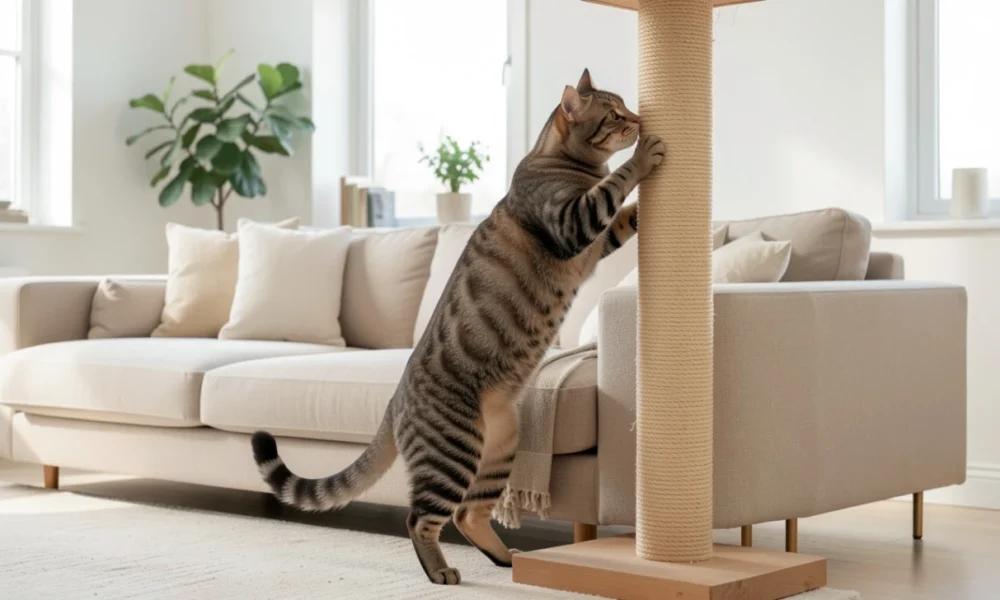
Discovering your cat has been using your sofa as a scratching post is a common source of frustration for pet owners. While the damage to furniture can be extensive, it’s important to understand that this behavior is not motivated by vengeance or a desire to destroy your belongings. Scratching is a deeply ingrained, normal feline behavior. The good news is that by understanding the reasons behind it, you can humanely and effectively redirect your cat’s claws to more appropriate outlets, preserving both your sanity and your home decor.
Table Of Content
- Why Do Cats Scratch Furniture?
- Step 1: Assess Your Cat’s Scratching Preferences
- Step 2: Provide Appealing Scratching Outlets
- Matching Post to Preference
- Strategic Placement and Encouragement
- Step 3: Make Furniture Unattractive for Scratching
- Humane Deterrents
- What to Avoid
- Step: Routine Maintenance and Modern Solutions
- onclusion
Why Do Cats Scratch Furniture?
To effectively address the issue, it is crucial to first understand the biological and psychological functions scratching serves for a cat. It is not merely a destructive habit but a form of communication and physical maintenance.
- Territorial Marking: Cats have scent glands in their paws. When they scratch, they deposit this scent onto the surface, leaving a visual mark and a chemical signal for other animals that establishes their territory.
- Claw Health: Scratching removes the dead, translucent outer sheath from their claws, keeping them sharp and healthy.
- Stretching: A good scratch allows a cat to flex its paws and stretch its entire body, from its front legs down its spine. This is a satisfying and necessary physical activity.
- Emotional Release: Scratching can be a way for cats to relieve stress or anxiety, much like a person might pace or fidget. An increase in scratching can sometimes indicate an underlying stressor in the cat’s environment.
Step 1: Assess Your Cat’s Scratching Preferences
Before purchasing any products, observe your cat’s scratching habits closely. The key to successful redirection is to provide an alternative that matches their natural preferences as closely as possible. Consider the following:
- Surface Material: What material is your cat drawn to? Common preferences include tightly woven fabrics (like sofas), loosely woven materials (like carpets), wood, or sisal rope.
- Scratching Orientation: Does your cat prefer to stretch up high and scratch a vertical surface, such as the arm of a couch or drapes? Or do they tend to keep low to the ground and scratch a horizontal surface, like a carpet or rug?
- Location: Where are the preferred scratching spots? Cats often scratch in central, high-traffic areas of the home as a way to mark their territory, where the family spends the most time.
Step 2: Provide Appealing Scratching Outlets
Once you’ve identified your cat’s preferences, you can select or create the right kind of scratching posts. The goal is to make these approved items more attractive than your furniture.
Matching Post to Preference
- For Vertical Scratchers: Provide a tall, sturdy scratching post. It should be tall enough for your cat to fully stretch while standing on its hind legs. Posts covered in sisal rope or carpet are durable options. The base must be heavy and stable so it doesn’t wobble or tip over during use, as this can deter a cat from using it
- . Horizontal Scratchers: Offer flat scratching pads or mats. These are often made of corrugated cardboard or carpet and can be placed directly on the floor.
- For Mixed or Specific Preferences: Angled scratchers or even DIY options like a log placed on its side can cater to unique scratching styles .Fr cats targeting furniture corners, consider a combination furniture guard and scratcher, such as the Sofa Scratcher, which fits snugly against couch or chair corners .
Strategic Placement and Encouragement
- Location, Location, Location: Initially, place the new scratching post or pad directly next to the furniture your cat has been scratching . This makes it the most convenient option.
- Make it Enticing: Encourage your cat to investigate the new post by sprinkling it with catnip, using treats, or engaging them with a toy near it .
- Positive Reinforcement: When you see your cat using the appropriate scratcher, immediately reward them with praise, gentle petting, or a small treat. This builds a positive association.
- Gradual Relocation: Once your cat is consistently using the post in its original spot, you can begin to move it very gradually (a few inches per day) to a more convenient location for you
Step 3: Make Furniture Unattractive for Scratching
While you’re training your cat to use new outlets, it’s important to temporarily make your furniture a less appealing option.
Humane Deterrents
- Scent Deterrents: Cats are often averse to certain scents. Citrus peels (lemon, orange) placed on or near furniture can be effective. Some essential oils (like citronella, eucalyptus, or lavender) are also deterrents, but they must be used with extreme caution. Never apply undiluted essential oils directly to furniture or your cat’s fur, as they can be toxic. Use only heavily diluted, pet-safe formulations or commercial repellent sprays .
- Textured Deterrents: Cats often dislike the feeling of sticky or crinkly surfaces on their paws.
- Double-Sided Tape: Products like Sticky Paws are transparent, double-sided tape that can be applied to furniture. When a cat’s paws encounter the sticky surface, it provides a brief, harmless sensation that discourages them from repeating the act. Be sure to test the tape on an inconspicuous area first, as it may leave residue or pull at delicate fabrics.
- luAluminumoil: Covering scratched areas with aluminum foil can deter cats due to its unfamiliar texture and crinkly sound.
- Furniture Guards: Clear vinyl guards, like Clawguard Furniture Shields, can be attached to furniture with twist pins, creating a smooth, unappealing surface that protects the fabric underneath
- Environmental Deterrents: A “booby trap” can startle a cat without associating the negative experience with you. For example, stack a tower of plastic cups in front of the forbidden area so it topples over when the cat approaches .
What to Avoid
- Punishment: Never yell at, hit, or spray your cat with water. Cats do not understand punishment. They will likely associate the negative stimulus with you, not the act of scratching, which can lead to fear, anxiety, and a breakdown of trust. It may also cause them to simply wait until you are not around to scratch the furniture.
- Declawing: This is an elective surgical procedure that involves the amputation of the last bone of each toe. It is a highly controversial and painful procedure that can lead to long-term health and behavioral problems. It should only be considered as an absolute last resort to prevent relinquishment, and only after thorough consultation with a veterinarian .
Step: Routine Maintenance and Modern Solutions
- Nail Trimming: Regularly trimming your cat’s nails (every 2-4 weeks) is one of the most effective ways to minimize damage from scratching. If you are unsure how to do this, ask your veterinarian or a professional groomer for a demonstration.
- Nail Caps: Soft vinyl nail caps (like Soft Paws) can be glued onto your cat’s claws. They are harmless and last for several weeks, preventing claws from causing damage while your cat still goes through the motions of scratching. These are best for cats that are comfortable having their paws handled.
- Pheromone Diffusers: If stress is a contributing factor to your cat’s scratching, a synthetic feline facial pheromone diffuser (such as Feliway®) may help. These products can create a sense of calm and security in the home, potentially reducing stress-related scratching.
- Modern, Stylish Scratchers: Today’s market offers scratching solutions that blend seamlessly with home decor. Brands are creating modular, sustainable, and design-led furniture that caters to both cat and owner needs, such as the Hilde & Phil Cat-e-Corner, which doubles as an end table and sisal scratcher .
onclusion
Successfully stopping your cat from scratching furniture is not about suppressing an instinct, but about redirecting it. By providing appealing, well-placed scratching alternatives, using humane deterrents, and committing to positive reinforcement, you can protect your belongings. Remember that patience and consistency are key. If scratching persists despite your best efforts, or if it seems compulsive, consult with your veterinarian or a board-certified veterinary behaviorist to rule out any underlying medical or psychological causes. With the right approach, your cat can satisfy their needs, and your furniture can remain intact.