

How to Use Educational Games to Boost Student Classroom Engagement
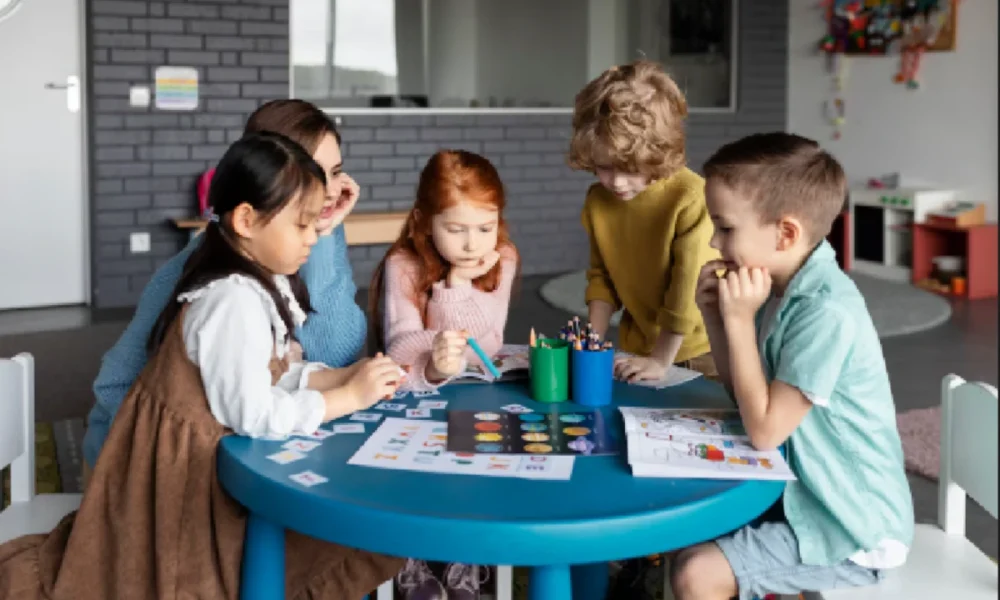
A disengaged classroom is every teacher’s challenge. Students slumped over desks, avoiding participation, going through the motions without genuine interest in learning. An engaged classroom looks completely different—students actively participate, collaborate, and take ownership of their education.
Table Of Content
- Benefits of Educational Games
- Increased Motivation and Engagement
- Achievement of Learning Goals
- Review and Reinforcement
- Development of Strategic Thinking
- Social Interaction and Collaboration
- Designing Effective Educational Games
- Maintain a Tight Focus on Learning Goals
- Promote Student Interaction
- Provide Instant Rewards
- Incorporate Competition Strategically
- Align with Attention Spans
- Implementing Educational Games in the Classroom
- Use Games for Any Subject or Lesson
- Play Individual, Small Group, or Whole Class
- Foster Creativity and Leadership
- Leverage Digital Game Tools
- Continuously Evaluate and Improve
- Conclusion
The difference comes down to student engagement. But how can you encourage greater engagement in your classroom? One effective approach is leveraging educational games.
Boosting engagement matters more than ever in modern classrooms where students face countless distractions. Sustaining attention requires designing activities that students actually want to participate in.
While implementing educational games requires upfront planning, the payoff in motivation and engagement makes it worthwhile. This article explores strategies you can use to integrate games that create a dynamic learning environment.
Benefits of Educational Games
Educational games offer specific benefits that directly increase student engagement:
Increased Motivation and Engagement
The interactive, competitive nature of games naturally engages students. Rather than passively listening to lectures, they actively strategize, collaborate, and work toward goals. Games provide excitement that makes students eager to participate. Even typically quiet students often become more involved during gaming activities.
Achievement of Learning Goals
Well-designed games integrate key learning concepts into their mechanics. Students learn and retain information more effectively because they apply knowledge rather than just memorize facts. Reaching the next level provides instant confirmation that learning is happening.
Review and Reinforcement
Games excel at reviewing material taught earlier in a unit. The competitive framework makes practice of key terms, facts, or procedures more compelling. Students often willingly play review games multiple times, leading to better long-term retention.
Development of Strategic Thinking
Games encourage you to help students strategize, analyze situations, and make decisions. These higher-order thinking skills boost engagement as learners weigh options, manage resources, and make choices leading to success.
Social Interaction and Collaboration
Games promote peer interaction and teamwork. Communication and collaboration are often essential to advance through games. This social element addresses students’ need for peer connection while teaching teamwork skills.
These benefits demonstrate how games intrinsically motivate students while achieving learning outcomes. However, simply playing any game won’t necessarily deliver these results. Maximum impact requires intentionally designing games aligned with your pedagogical goals.
Designing Effective Educational Games
Grabbing a random entertainment game off the shelf won’t drive strong learning outcomes. Effective educational games are created with specific learning objectives in mind and align with your curriculum. Keep these tips in mind:
Maintain a Tight Focus on Learning Goals
Ensure all game elements, rules, and mechanics tie directly to key learning objectives. Weave required knowledge and skills seamlessly into gameplay rather than adding them artificially. Maintain this focus when adapting commercial games for classroom use.
Promote Student Interaction
Games centered on peer interaction drive engagement through bonding and healthy competition. Team games teach valuable collaboration skills. Mix individual and team formats to provide balance and variety.
Provide Instant Rewards
Students need immediate confirmation of progress. Successful game completion should deliver clear rewards. Design levels to be achieved relatively quickly for that instant gratification—think 5-10 minute rounds rather than 30-minute marathons.
Incorporate Competition Strategically
Friendly competition motivates students, but avoid overdoing it. Include team and collaborative components so not just one top student wins. Structure games so all students can contribute and gain confidence, regardless of initial skill level.
Align with Attention Spans
Lengthy or overly complex games lose focus. Fast-paced games with short rounds that quickly restart hold attention better. Build in natural break points to split longer games. Keep core mechanics and goals simple enough to explain in under two minutes.
Thoughtfully designed games maximize engagement based on understanding student psychology. Prepare supporting materials ahead of time so games integrate seamlessly into your classroom flow.
Implementing Educational Games in the Classroom
Educational games work across nearly any subject, grade level, or lesson content. Keep these best practices in mind:
Use Games for Any Subject or Lesson
Look for opportunities to create relevant games across different subjects. Science lessons might include quiz competitions reviewing key concepts. Math classes could feature timed problem-solving challenges. Social studies could incorporate role-playing or decision-making scenarios based on historical events.
Play Individual, Small Group, or Whole Class
Games work with any class size. Individual or small team games keep everyone actively involved. For larger classes, whole-class participation builds energy and camaraderie. Rotate formats to maintain variety and reach different learning preferences.
Foster Creativity and Leadership
Allow students to occasionally develop their own game concepts or suggest modifications. Student-created games give them ownership and build leadership skills. Establish parameters but provide latitude for creativity within your learning objectives.
Leverage Digital Game Tools
Online game creation platforms enable you to quickly build customized games. Digital delivery offers more dynamic play and easier distribution of materials. However, traditional board games and physical activities remain equally effective when designed well.
Continuously Evaluate and Improve
Solicit student feedback on which games resonate and which fall flat. Track engagement levels and learning outcomes to refine your approach. Update games periodically to keep them feeling fresh and relevant to current student interests.
While introducing games requires planning, you can minimize administrative burden:
- Provide clear instructions and rules upfront to minimize confusion
- Have students assist with distributing materials
- Involve volunteers to help manage gameplay and troubleshoot issues
- Establish time limits and signals for ending play and transitioning back
Following a structured approach leads to smoothly run games that stay on track educationally and logistically. The upfront investment pays back through consistently higher engagement and academic performance. Monitor progress and refine techniques to maximize the motivational power of games.
Conclusion
Student engagement is vital for academic achievement and classroom management, yet passive learners remain a common challenge. Educational games provide an effective solution for increasing motivation and participation through their interactive, competitive format.
However, simply playing any game without intentional design won’t maximize benefits. Effective educational games tightly integrate learning objectives, promote interaction, provide instant rewards, and align with attention spans. Following best practices for implementation and refinement unlocks their full potential.
While introducing games takes planning, the outcome of more engaged, motivated learners is worth the investment. Game-based learning enables you to bring active participation into your teaching process. By tapping into the inherent appeal of games while aligning with pedagogical objectives, you can foster an environment where students are energized and ready to collaborate, create, and thrive academically.
Games provide a pathway for transforming the traditional classroom dynamic to truly empower learners and unlock their full potential.