

How to Wear Elegant Anklets: A Complete Style and Care Guide
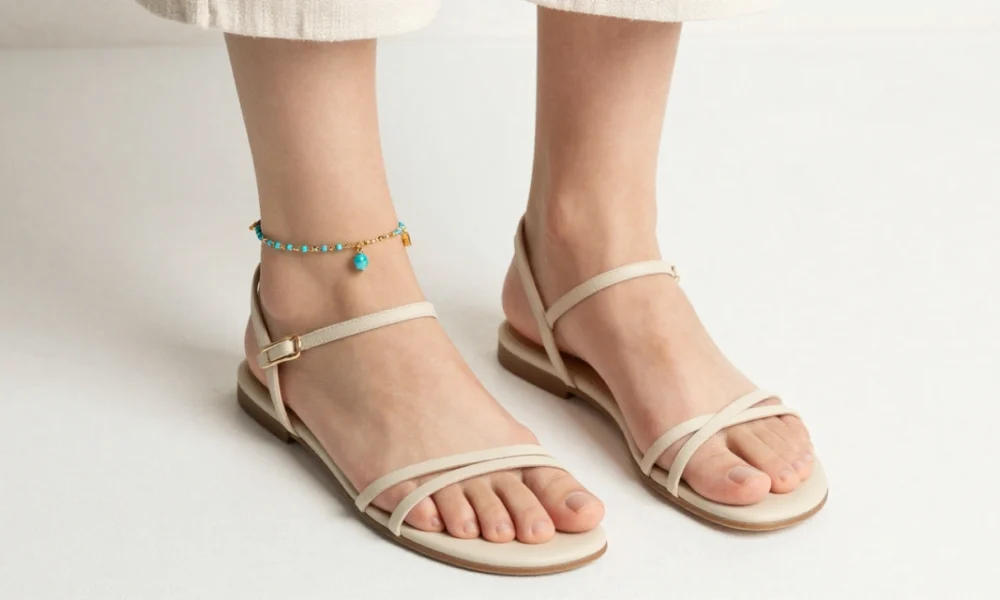
Anklets — also known as ankle bracelets or ankle chains — are far more than decorative accessories. Across cultures and centuries, they have carried meaning: marital status, wealth, spirituality, and personal expression. In ancient Egypt, women adorned their ankles with precious metals and gemstones. In India, anklets called payal or pajeb hold deep cultural significance. Today, in contemporary fashion, an anklet is primarily a style choice — one that draws attention to the lower half of an outfit and adds a finishing detail that few other accessories can replicate.
Table Of Content
Whether you are building a minimalist look or stacking bold pieces, understanding how anklets work — their materials, sizing, pairing logic, and care requirements — makes the difference between an afterthought and a considered style decision.
Understanding Anklet Styles and Materials
Anklets come in a wide range of designs, from dainty single chains to layered, charm-heavy pieces. The right style depends on your personal taste, the occasion, and the outfits you wear most.
By chain type:
- Herringbone chain — flat, sleek, and elegant; suits formal and evening looks
- Figaro chain — classic pattern of alternating links; versatile across casual and dressy styles
- Cuban link / curb chain — chunky and structured; makes a bolder statement
- Paperclip chain — elongated oval links with a modern, architectural feel
- Dainty or box chain — thin and delicate; ideal for everyday or layered wear
By material:
- 14k gold — hypoallergenic, resistant to tarnish, and well-suited for sensitive skin; a strong choice for long-term wear
- 925 sterling silver — cool-toned, durable with proper care, and works well for minimalist or layered looks
- White gold or rose gold — modern alternatives to yellow gold, each with a distinct tone
- Beaded styles — turquoise, lapis, coral, or pearls add color and texture; particularly popular for beach or bohemian aesthetics
- Woven or leather cord — casual, relaxed, and ideal for summer or festival styling
By design feature:
- Charm anklets — allow personalization through symbols, initials, or meaningful motifs
- Diamond or gemstone anklets — refined and feminine; best suited to evening wear or bridal styling
- Pearl anklets — carry an understated sophistication that transitions well across occasions
- Multi-strand or layered anklets — create a stacked effect from a single piece
How to Choose the Right Anklet for Any Occasion
Matching an anklet to the occasion prevents the accessory from clashing with the overall look.
- Casual outings: A beaded anklet, leather cord, or simple chain works well with relaxed daywear. Look for pieces with shells, small charms, or colorful beads for a coastal or bohemian feel.
- Office and smart-casual: A thin gold or silver chain, worn alone, adds a subtle detail without drawing excessive attention. Keep it understated — a single dainty chain is enough.
- Evening and formal events: Opt for a herringbone, diamond-accented, or pearl anklet in gold or white gold. Sleeker, finer pieces complement formal footwear and evening dresses without competing with them.
- Beach and vacation: This is where anklets thrive. Waterproof, tarnish-resistant styles in beaded, cord, or lightweight chain formats hold up well against saltwater, sand, and sun exposure.
Proper sizing affects both comfort and appearance. An anklet that is too tight restricts movement and can cause irritation; one that is too loose slips around and may snag.
To find your size, measure the circumference of your ankle at the point where you plan to wear the piece — either just above or just below the ankle bone. Add ¼ inch (about 0.6 cm) for a comfortable fit above the bone, or ¼ to ½ inch below it. Most anklets range from 9 to 11 inches in length. Adjustable clasp styles offer more flexibility, particularly for all-day wear.
Placement is a matter of preference. Wearing an anklet just above the ankle bone gives it more visibility. Worn lower, it sits closer to the top of the foot and can look more delicate. Either position works — the key is that the piece sits flat and moves freely when you walk.
Pairing Anklets with Footwear
Footwear is the single most important factor in how visible and effective an anklet looks.
- Sandals and slides — the most natural pairing. Open construction gives the anklet full visibility. Dainty chains and charm anklets both work well here.
- Strappy heels — a slim, elegant anklet with minimal detailing complements the structure of a strappy heel without competing with it. A herringbone or simple gold chain is a reliable choice.
- Sneakers — a thin silver or gold chain that peeks out just above the shoe adds a casual, personal touch to athleisure looks. Keep the anklet simple here.
- Mules and ballet flats — both work well with slightly chunkier or structured anklets, since the clean lines of these shoes create contrast without clashing.
- Ankle boots — use with caution. The shaft of a boot can obscure the anklet, cause friction, and over time may damage both the jewelry and the footwear lining. If you wear ankle boots with cropped trousers or a skirt, a shorter boot shaft may still allow the anklet to show — but it is not the ideal pairing.
- Barefoot — on the beach or poolside, anklets shine most without footwear. Layered beaded or chain anklets against bare skin create a relaxed, effortless look.
One practical rule: wear anklets directly against bare skin. Wearing them over tights or hosiery causes slipping, increases friction, and can damage both the anklet and the fabric.
Layering and Stacking Anklets
Layering has become one of the most prominent anklet trends in recent years. Stacking two to five anklets on the same ankle — or wearing complementary pieces on both ankles — creates a curated, intentional look that has wide appeal across casual and festival styles.
A straightforward approach to layering: pair one chain anklet with one beaded or textured piece. The contrast in material and weight creates visual interest without appearing cluttered. If you stack multiple chains, vary the thickness — for example, a paperclip chain alongside a finer box chain.
Mixing metals in a stack is acceptable in current styling. A gold chain alongside a silver beaded piece works when the rest of the accessories follow a similar mixed-metal approach. If you prefer a unified look, keep all pieces in the same metal family.
When layering anklets, scale down other jewelry. Multiple stacked anklets draw attention to the lower leg, so heavier earrings, thick necklaces, or statement bracelets can create visual competition. Let the anklet stack lead.
Which Ankle to Wear It On
There is no universal rule for this in modern fashion. Traditionally, in some cultural contexts, the left ankle carried symbolic meaning — particularly in South Asian traditions where it could indicate marital status or serve a spiritual purpose. In Western fashion, however, wearing an anklet on the left or right ankle is primarily a personal preference.
Wearing anklets on both ankles is increasingly common and accepted in current styling. Matching pairs, mirror stacks, or contrasting pieces on each ankle are all viable approaches.
Coordinating Anklets with Other Jewelry
An anklet does not exist in isolation — it is part of a broader jewelry composition. A few principles help create coherence:
- Match metals where possible. If your anklet is yellow gold, gold earrings or rings reinforce the look. This does not need to be rigid, but a dominant metal tone across the outfit reads as intentional rather than accidental.
- Balance statement pieces. A bold, diamond-accented anklet works best when other jewelry is kept minimal. If you wear layered necklaces or large earrings, a simple chain anklet maintains balance.
- Avoid sensory overload. Anklets draw attention to the ankle and lower leg. If your outfit already features strong details at the neckline or wrist, a discreet anklet maintains proportion.
Anklets have been worn across civilizations for thousands of years. In ancient Egypt, both women and men wore them as markers of social standing. In South Asia, payal (also spelled pajeb) are traditionally worn by women and carry significance in religious ceremonies, wedding rituals, and classical dance forms such as Bharatanatyam, where the sound of the bells on the anklet is itself part of the performance.
Anklets also carry cultural relevance in parts of the Middle East, Southeast Asia, and sub-Saharan Africa, where materials, construction, and wearing customs vary by region and tradition. Modern designers frequently draw from these traditions — incorporating motifs, chain styles, and symbolic charms — creating pieces that reflect cultural heritage while fitting into contemporary wardrobes.
How to Care for Anklets
Regular maintenance extends the life of any anklet, regardless of material.
Wipe the anklet with a soft, dry cloth after wearing, especially if it has been exposed to lotions, perfume, or sweat. Chemicals in skincare products accelerate tarnishing.
Cleaning by material:
- Gold and sterling silver: A mild soap solution and a soft brush, followed by a thorough rinse and complete drying, is sufficient for routine cleaning.
- Diamond or gemstone pieces: Use a soft brush with a gentle cleaner formulated for fine jewelry. Avoid harsh chemical cleaners, which can loosen settings over time.
- Beaded or cord anklets: Wipe gently with a damp cloth. Avoid submerging in water unless the piece is specifically rated as waterproof.
Keep each anklet in a separate compartment or pouch to prevent tangling and scratching. Exposure to humidity, direct sunlight, or contact with other metal pieces accelerates damage. A fabric-lined jewelry box with individual sections is the most practical solution.
If you swim frequently or spend time near the ocean, choose anklets made from tarnish-resistant materials — typically solid gold, certain stainless steel alloys, or pieces specifically marketed as waterproof. Remove fine jewelry before swimming in chlorinated pools or saltwater if it is not rated for water exposure.