

6 Practical Ways to Improve Your Outdoor Living Space
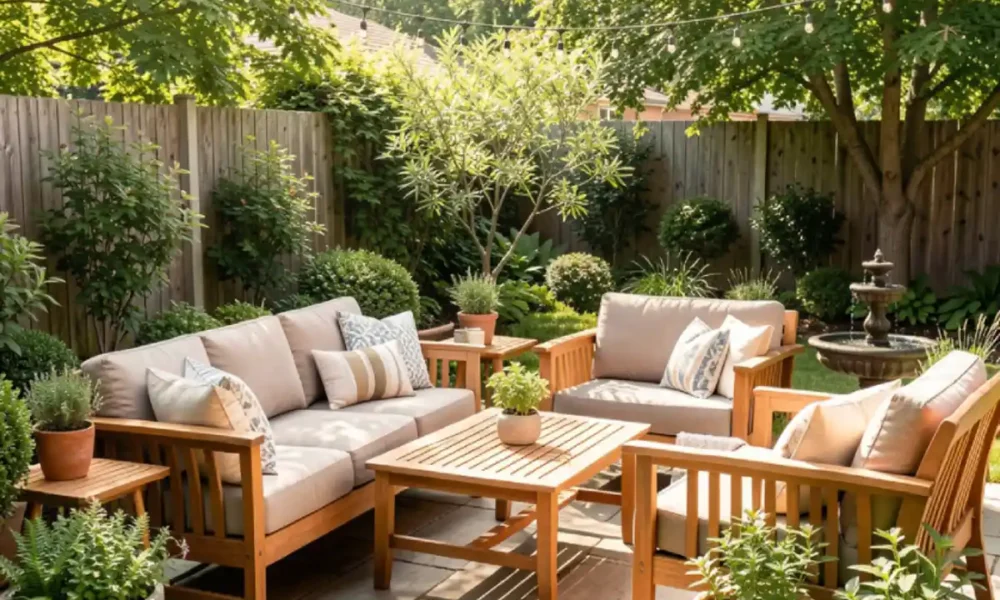
A well-designed outdoor area expands your living space and provides opportunities for relaxation, socializing, and connecting with nature. Whether you’re working with a small balcony, a mid-sized patio, or a large backyard, thoughtful planning can help you create a functional and enjoyable environment.
Table Of Content
- 1. Plan Functional Zones Based on Your Needs
- 2. Choose Plants Suited to Your Climate and Maintenance Capacity
- 3. Add Water Features Appropriate for Your Space
- 4. Select Weather-Resistant Furniture and Arrange for Comfort
- 5. Layer Lighting for Safety and Atmosphere
- 6. Add Personal Elements That Reflect Your Preferences
- Planning Your Outdoor Improvement Project
This guide covers six practical approaches to improving your outdoor space, from planning functional zones to selecting appropriate furniture and landscaping. Before starting any project, consider your climate, available budget, and how much maintenance you’re willing to commit to long-term.
1. Plan Functional Zones Based on Your Needs
Dividing your outdoor area into distinct zones helps you make the most of available space. Start by listing how you want to use the area: dining, cooking, relaxing, gardening, or children’s play.
For dining and entertaining, allocate space for a table, chairs, and proximity to your kitchen or grill. A lounging zone might include comfortable seating arranged to encourage conversation, with side tables for drinks and books. If you garden, designate raised beds or container areas with good sun exposure and water access.
Use physical elements to define zones without blocking sight lines. Low planters, outdoor rugs, or changes in flooring material (such as pavers transitioning to gravel) create visual separation. In smaller spaces, furniture arrangement alone can establish different areas.
Connect zones with clear pathways. Stepping stones, gravel paths, or simple lawn trails guide movement and prevent worn patches in grass. Leave enough space between zones for comfortable passage—typically 3 to 4 feet for main walkways.
2. Choose Plants Suited to Your Climate and Maintenance Capacity
Plant selection directly impacts how much time you’ll spend on upkeep. Native plants adapted to your region typically require less water, fertilizer, and pest management than non-native species.
Research your USDA hardiness zone and select plants rated for your area. Consider sun exposure in each planting location—full sun (6+ hours), partial shade (3-6 hours), or full shade. Match plants to these conditions rather than trying to alter your yard’s natural light patterns.
For year-round interest, combine plants with different blooming seasons. Spring bulbs, summer perennials, fall-blooming grasses, and evergreen shrubs create changing visual interest. Mixing plant heights and textures—groundcovers, mid-height perennials, and taller shrubs or small trees—adds depth to your landscape.
Container gardening works well for small spaces, renters, or testing new plant varieties. Containers allow you to control soil quality and move plants as needed. Ensure pots have drainage holes and use potting mix rather than garden soil.
Budget 30-60 minutes weekly for basic plant maintenance during growing season: watering, deadheading spent flowers, and removing weeds. Reduce maintenance by using mulch around plants to retain moisture and suppress weeds.
3. Add Water Features Appropriate for Your Space
Water features range from simple birdbaths to elaborate ponds. Choose based on your available space, budget, and maintenance willingness.
A birdbath requires minimal setup and maintenance—simply clean and refill weekly. This attracts birds and adds movement to your garden. Fountains come in various sizes and styles, from tabletop models for balconies to standalone features for larger yards. Most require an electrical outlet and periodic cleaning to prevent algae buildup.
Small ponds (50-100 gallons) can support aquatic plants and fish if you’re willing to manage water quality, filtration, and seasonal maintenance. Position water features where you’ll enjoy them most—near seating areas or visible from windows. The sound of moving water masks neighborhood noise and creates a calming atmosphere.
Before installing permanent water features, check local regulations regarding water use and pond depth. Some areas have restrictions during drought conditions.
4. Select Weather-Resistant Furniture and Arrange for Comfort
Outdoor furniture faces sun, rain, wind, and temperature fluctuations. Choose materials designed for outdoor use:
- Teak and cedar: Naturally weather-resistant woods that develop a gray patina or can be maintained with oil treatments
- Aluminum and steel: Durable metals; ensure steel is powder-coated to prevent rust
- All-weather wicker: Synthetic resin wicker over aluminum frames resists moisture and UV damage
- Recycled plastic lumber: Low-maintenance option that resembles wood
Cushions and fabrics should be labeled for outdoor use, with UV-resistant and water-repellent properties. Store cushions during harsh weather or invest in weatherproof storage bins.
Arrange seating to facilitate conversation—chairs and sofas facing each other rather than in rows. Leave 18-24 inches between a coffee table and seating for comfortable legroom. For dining areas, allow 24-30 inches per person at the table.
In smaller spaces, choose multi-functional furniture: benches with storage, nesting tables, or folding chairs. Measure your space before purchasing to ensure proper fit and traffic flow.
5. Layer Lighting for Safety and Atmosphere
Outdoor lighting serves multiple purposes: safety, security, and ambiance. Plan for three types of lighting:
Task lighting illuminates specific areas like grills, dining tables, or outdoor kitchens. Install overhead fixtures or use portable LED lamps designed for outdoor use.
Pathway lighting prevents trips and falls while guiding guests through your yard. Solar-powered stake lights offer easy installation without wiring. Space them 6-8 feet apart along walkways.
Ambient lighting creates atmosphere for evening gatherings. Options include:
- String lights hung between posts or trees
- Lanterns on tables or hung from hooks
- Uplights positioned to highlight trees or architectural features
- Fire pits or chimineas (where permitted by local fire codes)
LED bulbs reduce energy costs and last longer than incandescent options. Use warm white (2700-3000K) color temperatures for a welcoming glow rather than harsh blue-toned light.
Install lighting on dimmers or timers for convenience. Ensure all electrical work meets local building codes—hire a licensed electrician for permanent installations.
6. Add Personal Elements That Reflect Your Preferences
Personalizing your outdoor space makes it more inviting and distinct. This doesn’t require expensive purchases—focus on items that have meaning or serve your specific interests.
Garden art can include sculptures, decorative stakes, or found objects arranged intentionally. Wind chimes add sound. Wall-mounted planters, trellises, or vertical gardens work well in tight spaces.
If you enjoy cooking outdoors, consider adding a permanent or portable grill, outdoor prep station, or even a pizza oven if space and budget allow. Hobby gardeners might add a potting bench or tool storage.
Textiles like outdoor rugs, throw pillows, and blankets in weather-resistant fabrics introduce color and pattern. Change these seasonally if desired without major expense.
Create focal points that draw the eye: a specimen plant, a seating area with a view, or a fire feature. Avoid cluttering the space—select a few meaningful pieces rather than filling every corner.
Planning Your Outdoor Improvement Project
Start with a realistic budget and timeline. Outdoor projects often cost more and take longer than initially expected. Prioritize changes that address safety issues (trip hazards, unstable structures) or significantly improve functionality.
Tackle projects in phases if needed. You might start with furniture and lighting one season, add plants the next, and install a water feature later. This spreads costs and allows you to live with the space before making permanent changes.
Consider long-term maintenance when making decisions. A low-maintenance yard with native plants and simple furniture requires less ongoing effort than elaborate gardens or high-maintenance materials.
Finally, check local regulations before starting projects involving permanent structures, electrical work, water features, or fire elements. Some improvements may require permits.
Improving your outdoor living space is a gradual process that combines practical planning with personal preferences. By thoughtfully zoning your area, selecting appropriate plants and materials, and adding comfort-focused elements, you can create an outdoor environment suited to your lifestyle and climate. Focus on changes that increase both functionality and enjoyment, and remember that outdoor spaces naturally grow over time.