

How Inflation Affects Loan Rates and Your Costs Now
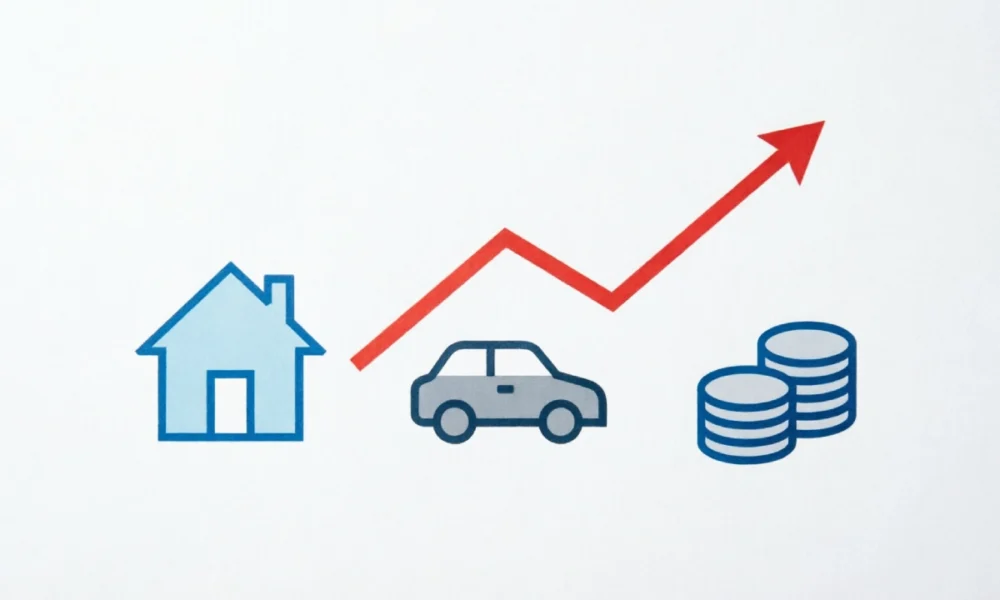
Inflation affects loan rates in a way that touches nearly every borrower, and when inflation rises, borrowing costs usually follow close behind. Over the past few years, people around the world have felt this connection firsthand as rising prices pushed lenders to charge more for mortgages, personal loans, auto loans, and business financing. Understanding why this happens can help borrowers make smarter decisions about when to borrow, which loan type to choose, and how to manage existing debt during periods of economic uncertainty.
Table Of Content
- What Is Inflation and How Does It Impact the Economy?
- What Causes Inflation to Rise Over Time?
- What Are Loan Interest Rates and How Do They Work?
- Why Does Higher Inflation Lead to Higher Loan Interest Rates?
- How Central Banks Use Interest Rates to Control Inflation
- How Rising Interest Rates Affect Different Types of Loans
- How Inflation Impacts Mortgage Loan Interest Rates
- How Inflation Affects Personal Loan Borrowing Costs
- How Higher Inflation Changes Auto Loan Rates
- How Inflation Impacts Business Loans and Equipment Financing
- Fixed-Rate vs Variable-Rate Loans During High Inflation
- Benefits of Fixed-Rate Loans When Inflation Increases
- Risks of Variable-Rate Loans During Inflation Periods
- How Inflation Affects Existing Borrowers and Loan Payments
- Does Inflation Reduce the Real Cost of Fixed-Rate Loans?
- Ways Borrowers Can Manage Higher Interest Rates During Inflation
- Should You Take a Loan When Inflation and Interest Rates Are High?
- Will Loan Interest Rates Decrease When Inflation Falls?
- Key Factors That Influence Future Loan Interest Rates
- Frequently Asked Questions About Inflation and Loan Interest Rates
- Does inflation always increase loan interest rates?
- Are fixed-rate loans better during inflation?
- How long does it take for rates to drop after inflation falls?
- Final Thoughts on How Inflation Continues to Affect Borrowing Costs
What Is Inflation and How Does It Impact the Economy?
Inflation refers to the general increase in prices of goods and services over time, which reduces the purchasing power of money. When inflation rises, a fixed amount of money buys less than it used to. This affects everything from grocery bills to fuel costs, and it forces central banks and financial institutions to adjust their policies to keep the economy stable. High inflation can slow economic growth, reduce consumer confidence, and increase the cost of borrowing across nearly every sector.
What Causes Inflation to Rise Over Time?
Inflation can be triggered by several factors, including increased demand for goods, supply chain disruptions, rising production costs, and excessive money supply in the economy. Global events such as pandemics, wars, or energy shortages can also cause sudden inflation spikes. When too much money chases too few goods, prices climb, and this pressure eventually spreads into the lending market.
What Are Loan Interest Rates and How Do They Work?
A loan interest rate is the cost a borrower pays to a lender for using their money, usually expressed as a percentage of the loan amount. Interest rates are influenced by central bank policies, inflation expectations, credit risk, and overall market demand for credit. Lenders set rates high enough to protect their profits while still covering the risk that inflation could erode the value of the money being repaid.
Why Does Higher Inflation Lead to Higher Loan Interest Rates?
When inflation rises, lenders know that the money they receive back in the future will be worth less than the money they lend today. To protect their returns, they increase interest rates to compensate for this loss in value. Additionally, central banks often raise benchmark rates during high inflation to cool down spending and borrowing, which directly increases the cost of loans across the market.
How Central Banks Use Interest Rates to Control Inflation
Central banks, such as the Federal Reserve or the State Bank in various countries, use interest rate policy as their primary tool to manage inflation. By raising the benchmark rate, they make borrowing more expensive, which slows consumer spending and business investment. This reduced demand helps bring inflation back under control, though it also means loans become costlier for everyday borrowers during this period.
How Rising Interest Rates Affect Different Types of Loans
Not all loans respond to inflation in the same way. Mortgages, personal loans, auto loans, and business loans each carry different terms, durations, and risk levels, which means rising rates impact them differently. Understanding these differences helps borrowers anticipate how their specific loan payments might change.
How Inflation Impacts Mortgage Loan Interest Rates
Mortgages are especially sensitive to inflation because they involve large amounts borrowed over long periods. When inflation rises, new mortgage rates typically increase, making homeownership more expensive. Existing fixed-rate mortgage holders are protected from these hikes, but those with variable-rate mortgages may see their monthly payments increase significantly.
How Inflation Affects Personal Loan Borrowing Costs
Personal loans often carry higher interest rates to begin with, and inflation can push these rates even higher. Since personal loans are usually unsecured, lenders take on more risk, and they compensate by raising rates further during inflationary periods, making it more expensive for consumers to borrow for everyday needs.
How Higher Inflation Changes Auto Loan Rates
Auto loan rates also rise during high inflation, increasing the total cost of financing a vehicle. Buyers may notice higher monthly payments or shorter loan terms being offered as lenders adjust to rising costs and interest rate hikes from central banks.
How Inflation Impacts Business Loans and Equipment Financing
Businesses relying on loans for expansion, equipment, or working capital often face higher borrowing costs during inflationary periods. This can slow down business growth, delay investments, and increase the overall cost of operations, especially for small and medium-sized enterprises with limited access to capital.
Fixed-Rate vs Variable-Rate Loans During High Inflation
Choosing between fixed-rate and variable-rate loans becomes especially important when inflation is high. Each option carries distinct advantages and risks depending on how long the borrower plans to keep the loan and how they expect interest rates to move in the future.
Benefits of Fixed-Rate Loans When Inflation Increases
Fixed-rate loans lock in a set interest rate for the life of the loan, protecting borrowers from future rate hikes. This predictability makes budgeting easier and shields borrowers from the financial strain that comes with rising inflation and interest rate increases.
Risks of Variable-Rate Loans During Inflation Periods
Variable-rate loans fluctuate with market conditions, meaning payments can increase substantially during inflationary periods. Borrowers with these loans face uncertainty and potential financial strain if rates continue climbing, making budgeting more difficult.
How Inflation Affects Existing Borrowers and Loan Payments
Borrowers with existing fixed-rate loans are generally insulated from rising rates, but those with variable-rate loans or lines of credit will see their payments increase as benchmark rates rise. This can strain household budgets, particularly for those already managing multiple debts.
Does Inflation Reduce the Real Cost of Fixed-Rate Loans?
Interestingly, inflation can actually benefit borrowers with fixed-rate loans over time. Since the loan amount stays the same while wages and prices rise, the real value of the debt decreases, making it effectively cheaper to repay in the future compared to when it was originally borrowed.
Ways Borrowers Can Manage Higher Interest Rates During Inflation
Borrowers can manage rising rates by refinancing when possible, consolidating high-interest debt, prioritizing early repayment, and avoiding new variable-rate borrowing during uncertain periods. Building an emergency fund and reviewing budgets regularly can also help absorb rising loan costs.
Should You Take a Loan When Inflation and Interest Rates Are High?
Taking a loan during high inflation requires careful consideration. While borrowing costs are elevated, waiting may not always be the best strategy if rates are expected to rise further. Borrowers should evaluate their financial stability, loan purpose, and long-term repayment ability before committing.
Will Loan Interest Rates Decrease When Inflation Falls?
Historically, interest rates tend to decrease once inflation stabilizes and central banks ease their monetary policies. However, this process can take time, and rates rarely drop as quickly as they rise, meaning borrowers may need patience before seeing significant relief.
Key Factors That Influence Future Loan Interest Rates
Future interest rates will depend on inflation trends, central bank policy decisions, employment data, global economic conditions, and geopolitical events. Monitoring these factors can help borrowers anticipate changes and plan their borrowing decisions accordingly.
Frequently Asked Questions About Inflation and Loan Interest Rates
Does inflation always increase loan interest rates?
Not always immediately, but sustained high inflation typically leads to higher rates over time.
Are fixed-rate loans better during inflation?
Yes, they offer protection against rising rates and can become relatively cheaper as inflation increases.
How long does it take for rates to drop after inflation falls?
It can take several months to a few years, depending on economic conditions.
Final Thoughts on How Inflation Continues to Affect Borrowing Costs
Inflation remains one of the most powerful forces shaping loan interest rates worldwide. Whether you’re considering a mortgage, personal loan, auto loan, or business financing, understanding this relationship can help you make more informed borrowing decisions. Staying aware of economic trends and choosing the right loan type can protect your finances during uncertain times.