

June Wallace Thomson: Activist, Model, and Television Personality Who Shaped Social Justice Movements
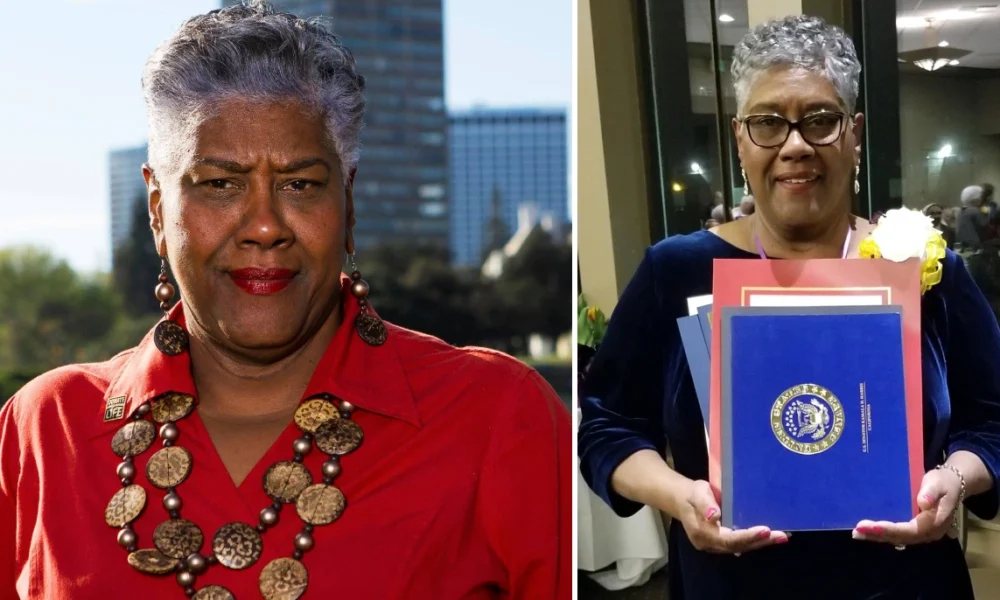
June Wallace Thomson lived a life dedicated to activism, equality, and social justice. As a model, television writer, political leader, and champion for women’s rights, LGBT communities, and nuclear disarmament, she broke barriers during a transformational period in American history. Her remarkable journey from Pittsburgh to Los Angeles demonstrates how one person can create meaningful change across multiple fields while maintaining an unwavering commitment to progressive values.
Table Of Content
- Early Life and Family Background
- Modeling and Early Broadcasting Career
- Marriage and Family Life
- Business Ventures and Artistic Pursuits
- Advanced Education and Academic Achievement
- Political Leadership and Elected Positions
- Activism for Peace and Nuclear Disarmament
- Civil Rights and Interracial Dialogue
- Advocacy for LGBT Rights
- Feminist Activism and Women’s Empowerment
- Television Appearances and Public Presence
- Death and Memorial
- Legacy and Continuing Influence
- Conclusion
Early Life and Family Background
June Wallace Thomson was born on July 23, 1924, in Pittsburgh, Pennsylvania, to Margaretta Maloney and Peter Smart Thomson. Growing up during the Great Depression, she developed resilience and independence that would characterize her entire life. Her family emphasized education and intellectual development, nurturing her natural abilities in writing, critical thinking, and public speaking.
June Wallace Thomson excelled academically throughout her youth. She graduated at the top of her high school class before earning a bachelor’s degree in English from the University of Pittsburgh in 1944. Her undergraduate education provided a foundation in communications, journalism, and speech that would serve her throughout her multifaceted career.
After completing her bachelor’s degree, June Wallace Thomson relocated to New York City to pursue graduate studies at Columbia University. She earned a Master of Science degree in journalism in 1946, further developing her skills in writing, research, and broadcasting. Her academic achievements demonstrated exceptional promise for the career that lay ahead.
Modeling and Early Broadcasting Career
In 1946, June Wallace Thomson became Miss Subways, a prestigious recognition in New York City’s transit system. The Miss Subways campaign, launched in 1941, featured young women in advertisements posted throughout subway cars, providing visibility across the metropolis. This platform represented modern, working-class women and opened doors to broader opportunities in media and entertainment.
June Wallace Thomson’s intelligence, poise, and communication skills enabled her to transition from modeling to broadcasting. She joined NBC and worked as a writer for radio and television programming. Recognized as “Miss NBC,” she turned down a screen test to focus on her writing career, demonstrating her commitment to substance over celebrity.
Her work at NBC from the late 1940s through the early 1950s established her as one of the first female staff writers in television. This groundbreaking position challenged industry norms and created opportunities for women who followed. Though modeling provided initial visibility, June Wallace Thomson’s true passions centered on broadcasting, writing, and social justice.
Marriage and Family Life
On Halloween (October 31), 1952, June Wallace Thomson married Jack Albertson, a celebrated actor, comedian, singer, and dancer. Jack Albertson would later gain widespread recognition for roles in “Willy Wonka and the Chocolate Factory,” “The Poseidon Adventure,” and the television series “Chico and the Man.”
The couple shared a daughter, Maura Dhu Studi, who would later marry renowned Cherokee actor Wes Studi. Wes Studi became one of the most respected Native American actors in film history, receiving an Academy Honorary Award in 2019 as the first Indigenous person from North America honored by the Academy. June Wallace Thomson and Jack Albertson became grandparents to Kholan Studi, born to Maura Dhu and Wes Studi. Through these family connections, June Wallace Thomson linked three generations of performers and activists.
Maura Dhu Studi was previously married to musician R.B. Greaves before her marriage to Wes Studi. June Wallace Thomson occasionally appeared on television game shows alongside Jack Albertson, including “Tattletales,” “It Takes Two,” and “It’s Your Bet.” These appearances gave audiences insight into their partnership and shared values.
June Wallace Thomson and Jack Albertson maintained a strong marriage rooted in progressive politics and social justice advocacy. Both supported the American Civil Liberties Union and participated actively in movements for equality and civil rights. Their partnership endured until Jack Albertson’s death from colon cancer on November 25, 1981. June Wallace Thomson later described him as the love of her life.
Business Ventures and Artistic Pursuits
After relocating to Los Angeles with Jack Albertson, June Wallace Thomson co-founded Pan America House, an import firm, with her mother, Margaretta (Margo) Thomson. This entrepreneurial venture demonstrated her business acumen and established financial independence that supported her activism.
June Wallace Thomson pursued artistic interests throughout her life. She studied painting with Sueo Serisawa, a respected artist and educator. These creative pursuits complemented her work in writing and broadcasting while providing personal fulfillment beyond her political and social justice activities.
Advanced Education and Academic Achievement
June Wallace Thomson’s commitment to education extended well beyond her early degrees. At UCLA, she earned a Master of Arts degree in Speech and completed coursework toward a PhD in Speech and Communications, reaching ABD (All But Dissertation) status. This advanced academic training enhanced her effectiveness as a public speaker and advocate.
Later in her career, June Wallace Thomson earned a Master of Fine Arts degree from the American Film Institute, focusing on film production. This credential reflected her interest in media and storytelling as tools for social change and cultural impact.
Political Leadership and Elected Positions
June Wallace Thomson achieved significant firsts in California politics. From 1975 to 1981, she served as the first woman president of the California Democratic Council, leading one of the state’s most prominent political organizations during a critical period in Democratic Party history.
Her political involvement extended to elected positions. June Wallace Thomson served on the Los Angeles Community College Board of Trustees from 1977 to 1989, shaping educational policies and opportunities for thousands of students. Concurrently, she served on the California State University Board of Trustees from 1978 to 1986, influencing higher education policy across one of the nation’s largest university systems.
These leadership roles positioned June Wallace Thomson at the intersection of education and politics, where she could address systemic barriers and promote access to opportunity. Her tenure on these boards demonstrated how elected office could advance progressive values and create lasting institutional change.
Activism for Peace and Nuclear Disarmament
In 1960, at the height of Cold War nuclear tensions, June Wallace Thomson co-founded Women’s Strike for Peace. This organization mobilized women across the country to demonstrate against nuclear proliferation and advocate for disarmament. The movement raised public awareness about the existential dangers of unchecked nuclear armament and pressed political leaders to prioritize peace.
Women’s Strike for Peace represented a significant force in the anti-nuclear movement, combining grassroots organizing with sophisticated political advocacy. June Wallace Thomson’s leadership in this organization established her as a prominent voice for peace during one of the most dangerous periods in global history.
Civil Rights and Interracial Dialogue
June Wallace Thomson actively participated in the Civil Rights movement through Operation Bootstrap, where she founded interracial dialogues that brought together people across racial divides. At a time when segregation remained entrenched in many American institutions, these conversations created spaces for understanding and relationship-building that advanced racial justice.
Her work in Civil Rights demonstrated her understanding that social change required both policy advocacy and interpersonal connection. The interracial dialogues she established at Operation Bootstrap exemplified her approach to activism: creating practical mechanisms for people to engage across difference and build solidarity.
Advocacy for LGBT Rights
During the 1950s and 1960s, when discrimination against LGBT individuals remained widespread and legal, June Wallace Thomson provided steadfast support for LGBT communities. She gave voice to marginalized groups through her writing and built solidarity through direct outreach and advocacy.
Her courage in publicly supporting LGBT rights during this period, when such advocacy carried significant social and professional risks, marked her as a true ally. Later in life, she served on the Board of Directors of the AIDS Healthcare Foundation, continuing her commitment to LGBT communities during the AIDS crisis.
Feminist Activism and Women’s Empowerment
June Wallace Thomson utilized her skills as an orator and writer to advance women’s equality and reproductive rights. Her work in feminist organizing complemented her political leadership and demonstrated her understanding that women’s liberation required both grassroots activism and institutional power.
As the first woman president of the California Democratic Council, she modeled female leadership in politics. Her presence in elected and appointed positions created visibility for women in public life and challenged assumptions about women’s capabilities in leadership roles.
Television Appearances and Public Presence
Beyond her work behind the scenes in television writing, June Wallace Thomson made appearances on popular game shows of the 1970s and early 1980s. Her participation in programs like “Tattletales,” “It Takes Two,” and “It’s Your Bet” alongside Jack Albertson gave the public insight into their relationship and personalities.
These appearances maintained her public profile while demonstrating the partnership and shared values that characterized their marriage. Through these shows, audiences witnessed her intelligence, wit, and warmth.
Death and Memorial
June Wallace Thomson passed away on January 9, 2015, in West Hollywood, Los Angeles, California, at the age of 90. She died peacefully at home, surrounded by the life she had built through decades of activism, leadership, and service.
Her obituary, published in the Los Angeles Times, requested that memorial donations be made to the AIDS Healthcare Foundation, reflecting her lifelong commitment to LGBT communities and public health. The tribute described her as an articulate champion of many causes who embodied the change she wished to see in the world.
Legacy and Continuing Influence
June Wallace Thomson’s contributions span multiple domains: broadcasting, politics, education, civil rights, peace advocacy, LGBT rights, and the arts. As one of the first female television writers at NBC, she opened doors for women in media. As the first woman president of the California Democratic Council and an elected trustee of major educational institutions, she demonstrated women’s capacity for political leadership.
Her activism for nuclear disarmament through Women’s Strike for Peace helped shape public opinion during critical Cold War debates. Her work for LGBT rights and AIDS advocacy showed moral courage when such positions carried significant risk. Her Civil Rights activism through Operation Bootstrap created practical mechanisms for interracial understanding and solidarity.
June Wallace Thomson’s family connections to the entertainment industry, particularly through her son-in-law Wes Studi, extended her influence into new generations and communities. Her life exemplified how one person can effect change across multiple fields while maintaining core values and commitments.
Nearly a decade after her death, June Wallace Thomson’s legacy continues to inspire activists working for peace, equality, and justice. Her story illustrates that meaningful social change requires sustained commitment, moral courage, and willingness to work through both grassroots organizing and institutional leadership. She demonstrated that celebrity and platform could be used to advance social justice rather than mere self-promotion.
Conclusion
June Wallace Thomson built a remarkable life across eight decades of American history. From her early work as Miss Subways and an NBC television writer to her leadership of the California Democratic Council and service on educational boards of trustees, she consistently worked to expand rights, dismantle barriers, and create a more just society.
Her activism for women’s rights, LGBT equality, nuclear disarmament, and civil rights positioned her at the forefront of multiple social justice movements. Her entrepreneurial ventures, artistic pursuits, and cultural leadership demonstrated that progressive values could inform every aspect of life. Her marriage to Jack Albertson and family connections to Wes Studi and Maura Dhu Studi linked her to Hollywood’s creative community while maintaining focus on substance over celebrity.
June Wallace Thomson’s life offers a model of how to live with conviction, work for justice, and create lasting change. Her story remains relevant for anyone committed to building a more equitable and peaceful world. By remembering her achievements and recommitting to the causes she championed, we honor her legacy and continue the work she began.