

Kevin O’Leary Net Worth: How Mr. Wonderful Built His $400 Million Fortune
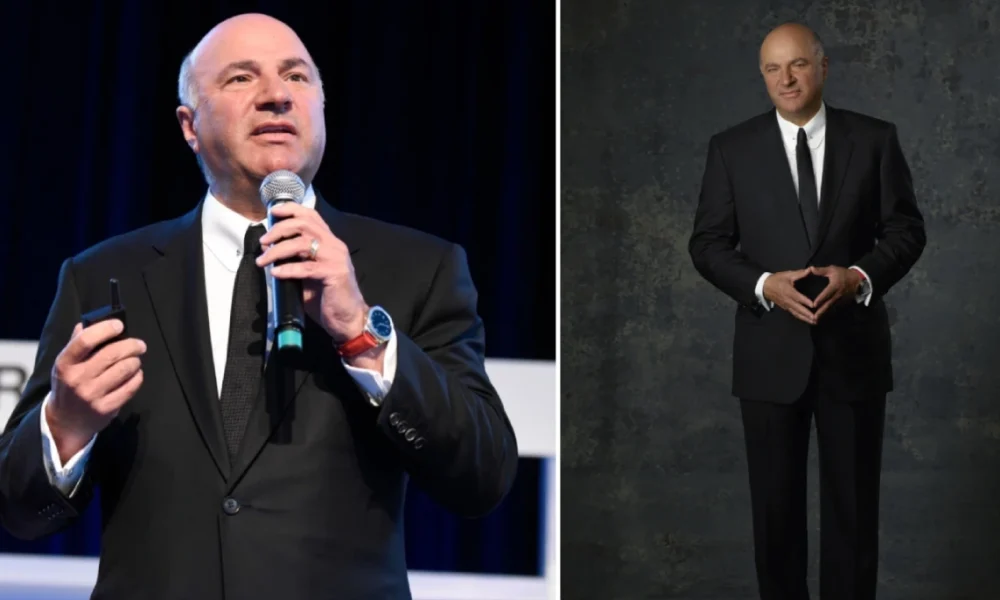
Kevin O’Leary’s net worth sits at approximately $400 million as of 2026, placing him as the second-wealthiest investor among the core Shark Tank panel. While Mark Cuban leads with $6 billion, O’Leary’s wealth exceeds that of Daymond John, Robert Herjavec, Lori Greiner, and Barbara Corcoran.
Table Of Content
- Net Worth Comparison
- Background and Education
- The Softkey Success Story
- Shark Tank Career
- Notable Shark Tank Investments
- 1. Basepaws
- 2. Wicked Good Cupcakes
- 3. Plated
- 4. Groovebook
- 5. Simple Sugars
- Investment Failures
- Spending Patterns
- Media and Investment Activities
- The Mr. Wonderful Origin
- Building Wealth Through Strategy
Many wonder why O’Leary isn’t a billionaire, given his company’s $4.2 billion sale to Mattel in 1999. His payout was reduced due to diluted ownership from multiple funding rounds and acquisitions. Additionally, The Learning Company had accumulated debt before the sale, limiting its personal proceeds from the transaction.
Net Worth Comparison
| Shark Tank Investor | Estimated Net Worth (2026) |
|---|---|
| Mark Cuban | $6 billion |
| Kevin O’Leary | $400 million |
| Daymond John | $350 million |
| Robert Herjavec | $300 million |
| Lori Greiner | $150 million |
| Barbara Corcoran | $100 million |
Background and Education
Kevin O’Leary was born in Montreal, Canada, in 1954. His mother, Georgette, shaped his financial philosophy during his childhood. After his parents divorced, she managed the household finances with attention to saving and avoiding debt.
He studied environmental studies and psychology at the University of Waterloo before pursuing an MBA from the Ivey Business School at the University of Western Ontario in 1980. This combination of family wisdom and formal business education laid the foundation for his career.
His mother’s weekend investing habit proved influential. She invested 20% of her earnings in dividend-paying stocks and bonds, following one principle: never spend the principal, only the dividends. This approach became central to O’Leary’s wealth-building strategy.
The Softkey Success Story
Softkey Software Products launched in 1986 with $10,000 from O’Leary’s mother as seed investment. Operating from a Toronto basement, the company developed and distributed educational software for families.
The business grew primarily through acquisitions of competitor companies. The company’s major transaction came in 1995 when it acquired The Learning Company for $606 million, then adopted that name due to stronger brand recognition.
The windfall arrived in 1999 when Mattel purchased The Learning Company for approximately $4.2 billion in stock. O’Leary personally netted around $11 million from his stock sales and severance package. This transaction established his reputation and provided capital for future ventures. The deal later proved problematic for Mattel, which sold the division in 2000 for just $27.3 million.
- 1954: Born in Montreal, Canada
- 1977: Graduated from the University of Waterloo with a degree in environmental studies and psychology
- 1980: Earned MBA from Ivey Business School at the University of Western Ontario
- 1986: Co-founded Softkey Software Products with $10,000 from his mother
- 1995: Acquired The Learning Company for $606 million
- 1999: Sold The Learning Company to Mattel for $4.2 billion; personally netted approximately $11 million
- 2006: Joined Dragon’s Den (Canadian version of Shark Tank)
- 2008: Founded O’Leary Funds mutual fund company
- 2009: Joined Shark Tank as investor
- 2015: Sold O’Leary Funds to Canoe Financial (managed over $1.5 billion in assets)
- 2016: Launched O’Shares ETF series
- 2017: Announced, then withdrew from Conservative Party of Canada leadership race
- 2019: Invested in Basepaws (later acquired by Zoetis in 2022)
- Present: Active investor through O’Leary Ventures and regular financial commentator on CNBC and CNN
Shark Tank Career
O’Leary joined Shark Tank in 2009, becoming known for his direct approach to evaluating business pitches. His willingness to deliver harsh assessments when warranted made him stand out among the investors.
The “Mr. Wonderful” nickname originated as sarcasm. Barbara Corcoran gave him the moniker after witnessing his blunt feedback to contestants. Rather than resisting the ironic title, O’Leary embraced it as part of his personal brand.
The show provides income beyond his salary, which reportedly ranges between $30,000 and $50,000 per episode. His real returns come from the investments themselves, with some delivering substantial multiples on his initial stakes.
Notable Shark Tank Investments
O’Leary’s investment portfolio from Shark Tank includes several standout successes:
1. Basepaws
Basepaws represents his most successful percentage return. This pet DNA testing company received $125,000 from O’Leary and Robert Herjavec in 2019 for a combined 10% equity stake. When Zoetis acquired Basepaws in 2022 for over $50 million, the investment delivered substantial returns for both sharks.
2. Wicked Good Cupcakes
Wicked Good Cupcakes showcases his royalty deal approach. O’Leary offered $75,000 in exchange for $1 per cupcake sold rather than taking equity. Annual sales reached $10 million after the show. O’Leary recovered his investment in 74 days and continued collecting royalties until the 2021 acquisition.
3. Plated
Plated generated returns when this meal kit delivery service sold to Albertsons for $300 million in 2017.
4. Groovebook
Groovebook sold to Shutterfly for $14.5 million after O’Leary joined the investment.
5. Simple Sugars
Simple Sugars saw sales jump from $50,000 to over $6 million following the Shark Tank appearance with O’Leary’s $100,000 investment.
What distinguishes O’Leary’s approach is his preference for cash flow deals rather than pure equity stakes. He structures royalty agreements that generate quick payback while allowing business owners room to grow.
Investment Failures
Several O’Leary investments have underperformed or failed:
- Toygaroo, dubbed the “Netflix for toys,” received $200,000 from O’Leary and Mark Cuban for 35% equity. The subscription service filed for bankruptcy in 2012, resulting in total loss.
- Sweet Ballz received $250,000 for 25% equity, but internal founder disputes and legal battles destroyed the business.
- HoneyFund accepted a $400,000 loan without equity from O’Leary but struggled to meet growth projections.
- CertifiKID continues operating but has underperformed compared to O’Leary’s expectations.
These experiences reinforced O’Leary’s emphasis on strong management teams over just ideas. He now prioritizes companies with proven sales and capable leadership rather than concepts alone.
Spending Patterns
He refuses to spend more than $5 on coffee, often bringing his own tea bags when traveling. However, he allocates approximately $1,000 daily for meals, believing business deals happen over dining.
His luxury watch collection includes multiple Patek Philippe pieces and Rolex Daytonas valued at over $50,000 each. The total collection value reaches into the millions.
He owns dozens of rare vintage guitars from the 1950s and 1960s, including Fender Stratocasters and Telecasters worth hundreds of thousands of dollars. He views these as both passion projects and investments.
His real estate holdings include a primary residence on Lake Joseph in Ontario valued at several million dollars, plus properties in Boston, Toronto, and Switzerland.
Rather than owning a private jet, O’Leary uses fractional ownership and charter services, spending between $160,000 and $500,000 annually on private air travel.
He invests in custom suits costing $5,000 to $8,000 each, though he maintains a smaller wardrobe than many might expect.
Media and Investment Activities
O’Leary’s media career began on Canada’s Dragon’s Den, the Canadian version of Shark Tank. His transition to the American Shark Tank in 2009 brought international recognition.
Beyond reality TV, he appears regularly as a financial commentator on CNBC and CNN. This media presence has become part of his brand, allowing him to reach millions and increasing his value as a business partner.
He founded O’Leary Funds, a mutual fund company that grew to manage over $1.5 billion before being sold to Canoe Financial in 2015. He later launched O’Leary Ventures for private equity investments and the O’Shares ETF series, focusing on quality dividend-paying companies. Throughout these ventures, he follows his mother’s philosophy of focusing on income-generating investments.
The Mr. Wonderful Origin
The nickname originated during early Shark Tank episodes when Barbara Corcoran sarcastically called him “Mr. Wonderful” after a harsh criticism. The ironic title contrasted with his blunt assessments.
O’Leary recognized the nickname’s marketing potential and embraced it. The name appears on his product lines, books, and social media presence.
The nickname captures O’Leary’s dual nature: supportive of entrepreneurs he believes in, and direct with those who don’t meet his standards.
Building Wealth Through Strategy
Kevin O’Leary’s $400 million net worth represents decades of strategic investing and media presence. From Softkey to Shark Tank, he has used his business knowledge and direct communication style to build wealth.
His success demonstrates that wealth building requires execution, discipline, and calculated risk-taking rather than just ideas.