

Label Machines for B2B Packaging: Types, Selection Criteria, and Integration Guide
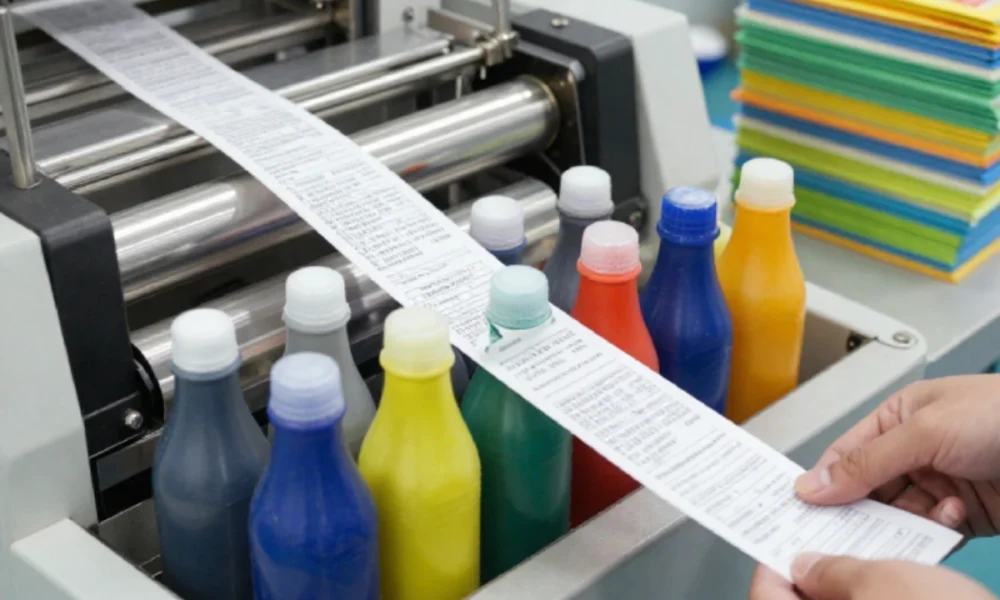
Label Machines for B2B Packaging, Industrial labeling equipment serves as a foundational component in modern packaging operations, enabling manufacturers to meet regulatory requirements, maintain brand consistency, and track products through supply chains.
Table Of Content
- Understanding Industrial Labeling Equipment
- Types of Industrial Labeling Systems
- Fully Automatic Labeling Systems
- Semi-Automatic Labeling Equipment
- Print-and-Apply Systems
- Shrink Sleeve Application Equipment
- Operational Benefits of Automated Labeling
- Production Capacity and Throughput
- Quality Control and Consistency
- Traceability and Data Capture
- Cost Structure and ROI
- Selection Criteria for Industrial Labeling Equipment
- Production Volume Requirements
- Product and Container Characteristics
- Label Format and Complexity
- Integration with Existing Infrastructure
- Regulatory Compliance Requirements
- Maintenance and Operational Support
- Changeover Flexibility
- Implementation Considerations
- Operator Training Requirements
- Space and Utilities Planning
- Quality Verification Systems
- Evaluating Total Cost of Ownership
- Conclusion
For B2B operations, selecting appropriate labeling machinery affects production capacity, quality control, regulatory compliance, and operational costs. This guide examines available equipment types, technical considerations, and selection criteria for industrial labeling systems.
Understanding Industrial Labeling Equipment
Label application machinery automates the process of affixing product identifiers, regulatory information, barcodes, and branding elements to packaged goods. These systems range from entry-level semi-automated units to fully integrated production line equipment capable of processing thousands of units per hour.
The choice of labeling system depends on production volume, container types, label formats, regulatory requirements, and integration needs with existing packaging infrastructure.
Types of Industrial Labeling Systems
Fully Automatic Labeling Systems
Automatic labeling equipment operates continuously with minimal human intervention, applying labels to products moving along conveyor systems. These machines handle positioning, application, and quality verification without manual loading.
Production rates typically range from 60 to 600 units per minute, depending on product size, label complexity, and application method. Automatic systems work best in high-volume operations where consistent output justifies the investment.
Common applications include pharmaceutical packaging, food and beverage production, and consumer goods manufacturing where throughput and precision matter most.
Semi-Automatic Labeling Equipment
Semi-automatic systems require operators to position products manually while the machine handles label application. This configuration suits operations with moderate production volumes or frequent product changeovers.
Operators place individual items into the labeling station, trigger the application cycle, and remove finished products. While slower than automatic systems, semi-automatic equipment offers greater flexibility for varied product lines and smaller batch sizes.
These systems typically cost 40-60% less than comparable automatic equipment, making them accessible for mid-sized operations or companies testing new product lines.
Print-and-Apply Systems
Print-and-apply labelers combine thermal or inkjet printing with immediate label application, allowing real-time data printing directly onto products. This capability supports variable information such as batch codes, expiration dates, serial numbers, and unique identifiers.
These systems integrate with warehouse management systems, enterprise resource planning software, and track-and-trace platforms to enable dynamic labeling without pre-printed label inventory.
Distribution centers, third-party logistics providers, and manufacturers requiring lot-specific information commonly use print-and-apply equipment.
Shrink Sleeve Application Equipment
Shrink sleeve labelers apply pre-printed plastic sleeves around containers, then use heat tunnels to conform the material to the product’s shape. This method provides 360-degree coverage and works with irregular container geometries.
The process requires specialized equipment including sleeve applicators and heat shrink tunnels calibrated to specific materials and container types. Shrink sleeves offer tamper evidence and full-surface branding but require more complex machinery than pressure-sensitive labels.
Beverage manufacturers, cosmetics producers, and specialty food packagers frequently employ shrink sleeve technology for product differentiation.
Operational Benefits of Automated Labeling
Production Capacity and Throughput
Automated labeling equipment eliminates manual application bottlenecks, enabling packaging lines to operate at design capacity. Removing human-paced steps allows manufacturers to match labeling speed with upstream production equipment.
Consistent machine timing reduces line stoppages and enables predictable production scheduling.
Quality Control and Consistency
Machine-applied labels maintain uniform placement, orientation, and adhesion across production runs. This consistency matters for regulatory compliance, brand presentation, and automated scanning systems used in distribution.
Vision systems integrated with labeling equipment can verify label presence, readability, and correct placement, rejecting defective units before they reach distribution channels.
Traceability and Data Capture
Modern labeling systems integrate with product tracking infrastructure, applying unique identifiers that enable supply chain visibility. Barcodes, QR codes, and serialized data support lot tracking, recall management, and anti-counterfeiting measures.
Pharmaceutical, medical device, and food manufacturers face increasing regulatory requirements for serialization and track-and-trace capabilities that labeling equipment must accommodate.
Cost Structure and ROI
While industrial labeling equipment requires upfront investment, total cost analysis includes labor reduction, error prevention, and waste minimization. Automatic systems typically achieve payback within 18-36 months in operations exceeding 50,000 units monthly.
Reduced label waste, decreased rework, and elimination of hand-application labor contribute to ongoing operational savings beyond initial equipment cost recovery.
Selection Criteria for Industrial Labeling Equipment
Production Volume Requirements
Daily throughput directly influences appropriate equipment selection. Operations producing fewer than 10,000 units daily may find semi-automatic systems sufficient, while high-volume facilities require automatic equipment to maintain line speeds.
Consider peak production periods and growth projections when sizing equipment. Undersized machinery creates production constraints, while oversized systems waste capital and floor space.
Product and Container Characteristics
Label application methods depend on container material, surface geometry, and size variation. Rigid containers with consistent dimensions simplify automation, while flexible packaging or irregular shapes may require specialized application heads.
Temperature-sensitive products, condensation-prone containers, and challenging surface materials affect adhesive selection and application technique. Equipment must accommodate these variables reliably.
Label Format and Complexity
Different label types require specific application methods. Pressure-sensitive labels, shrink sleeves, glue-applied paper, and in-mold labels each demand distinct equipment configurations.
Variable data requirements necessitate integrated printing capabilities, adding complexity and cost. Evaluate whether labels can be pre-printed or must include dynamic information.
Integration with Existing Infrastructure
Labeling equipment must integrate mechanically and electronically with surrounding packaging equipment. Conveyor heights, transfer speeds, product orientation, and control system communication protocols require compatibility.
Facilities with established production lines may need custom integration work to incorporate labeling machinery without disrupting existing operations. Budget for engineering assessment and potential line modifications.
Regulatory Compliance Requirements
Regulated industries face specific equipment requirements. Pharmaceutical manufacturing may require equipment validated according to FDA guidelines, with documented change control and qualification protocols.
Food safety regulations influence equipment design, requiring sanitary construction, easy cleaning access, and materials suitable for food contact environments. Verify that equipment meets relevant industry standards.
Maintenance and Operational Support
Consider parts availability, technical support accessibility, and maintenance skill requirements when selecting equipment. Systems using proprietary components or requiring specialized technicians create operational risk.
Equipment with standardized components, clear documentation, and readily available service support minimizes downtime. Evaluate manufacturer support capabilities and local service infrastructure.
Changeover Flexibility
Operations running multiple products benefit from equipment supporting quick changeovers. Tool-less adjustments, stored recipe parameters, and minimal mechanical modifications reduce transition time between production runs.
Assess changeover frequency and product variety to determine necessary flexibility. High-variety operations may justify additional investment in adaptable equipment.
Implementation Considerations
Operator Training Requirements
Even automatic systems require trained operators for setup, monitoring, and troubleshooting. Plan for initial training during installation and ongoing skill development for maintenance staff.
User-friendly interfaces and clear documentation reduce training time and operator error rates. Consider workforce capabilities when evaluating equipment complexity.
Space and Utilities Planning
Industrial labeling equipment requires adequate floor space, electrical capacity, and sometimes compressed air or vacuum systems. Verify facility infrastructure can support selected equipment.
Factor in access space for maintenance, material loading, and operator movement. Cramped installations compromise safety and operational efficiency.
Quality Verification Systems
Integrated vision systems verify label presence, position, and barcode readability automatically. While adding cost, these systems prevent defective products from reaching customers and reduce costly recalls.
For regulated industries or high-value products, quality verification may be mandatory rather than optional.
Evaluating Total Cost of Ownership
Initial equipment purchase represents one component of total ownership cost. Include installation expenses, operator training, ongoing maintenance, consumables, and expected service life in financial analysis.
Energy consumption, label waste rates, and production efficiency improvements factor into operational cost calculations. Compare total ownership costs across equipment options rather than focusing solely on purchase price.
Reliability directly affects cost through downtime and lost production. Equipment with higher upfront cost but superior reliability often provides better long-term value.
Conclusion
Industrial labeling machinery represents a significant operational decision for B2B packaging operations. Appropriate equipment selection requires analyzing production requirements, product characteristics, regulatory obligations, and integration needs.
Matching labeling capabilities to operational demands improves production efficiency, ensures compliance, and supports quality objectives. Thorough evaluation of available options against specific operational criteria enables informed equipment investment decisions that serve long-term business goals.