

Laser Hair Removal: A Complete Guide to Process, Costs, and Long-Term Results
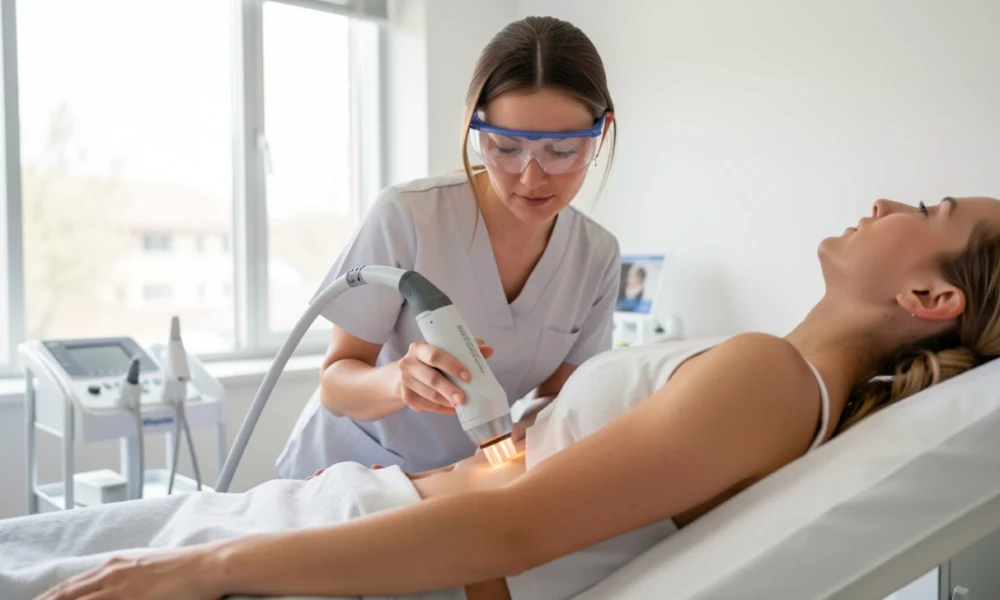
Laser hair removal has become one of the most sought-after cosmetic treatments for those seeking a longer-term solution to unwanted body hair. Unlike shaving, waxing, or depilatory creams that address hair at the surface level, laser technology targets hair follicles directly using concentrated light beams. This approach significantly slows regrowth and, for many individuals, leads to permanent hair reduction.
Table Of Content
- How Laser Hair Removal Works
- Primary Benefits and Limitations
- Candidate Suitability and Skin Tone Considerations
- The Treatment Process Step by Step
- Expected Results and Maintenance Requirements
- Treatment Areas and Considerations
- Cost Considerations and Value Over Time
- Recent Technological Advances
- Post-Treatment Care and Skin Recovery
- Selecting a Qualified Provider
- When to Exercise Caution
- Summary
Understanding the full scope of laser hair removal—including how it works, who qualifies, what it costs, and what results look like over time—helps potential candidates make informed decisions about whether this treatment aligns with their needs and expectations.
How Laser Hair Removal Works
Laser hair removal operates on a principle called selective photothermolysis. The laser emits a specific wavelength of light absorbed by melanin (pigment) in the hair shaft. This light energy converts to heat, damaging the hair follicle enough to inhibit future growth without harming surrounding skin.
The procedure requires a series of treatments because hair grows in cycles. Lasers only affect follicles in the active growth phase (anagen). Since not all hairs are in this phase simultaneously, multiple sessions spaced several weeks apart are necessary to catch each follicle during its susceptible stage.
Treatment times vary by area size. Small areas like upper lips may take minutes, while larger regions such as backs or legs can require an hour or more per session.
Primary Benefits and Limitations
Laser hair removal offers distinct advantages over temporary methods, though it also comes with considerations worth evaluating before committing.
Benefits:
- Precision targeting of dark, coarse hairs while leaving surrounding skin undamaged
- Predictable, measurable reduction in hair growth after completing recommended sessions
- Elimination of daily or weekly maintenance associated with shaving
- Significant reduction in ingrown hairs, a common problem with waxing and shaving
- Long-term cost efficiency compared to purchasing razors, waxing appointments, or depilatory products indefinitely
Limitations:
- Upfront cost is higher than temporary methods (though potentially cost-effective over the years)
- Multiple sessions required—typically 6 to 8 for optimal results
- Not all hair colors or skin tones respond equally well (though technology has improved)
- Results vary by individual; some may experience regrowth requiring maintenance sessions
- Temporary side effects can include redness, swelling, and sensitivity post-treatment
Candidate Suitability and Skin Tone Considerations
Historically, laser hair removal worked best on individuals with light skin and dark hair because the contrast allowed lasers to target melanin in hair while sparing skin pigment. This limitation excluded many people with darker skin tones or lighter hair colors from achieving safe, effective results.
Advancements in laser technology have expanded candidate eligibility significantly. Modern devices with longer wavelengths (such as Nd: YAG lasers) can safely treat darker skin types by bypassing melanin in the skin while still targeting hair follicles. Alexandrite and diode lasers remain effective options for lighter skin tones.
Despite these improvements, hair color remains a factor. Lasers target melanin, so dark, coarse hair responds best. Red, blonde, gray, or white hair contains less melanin and typically does not respond well to laser treatment. Electrolysis remains the only FDA-approved permanent hair removal method for these hair colors.
During an initial consultation, a licensed professional evaluates:
- Skin type (using Fitzpatrick scale classification)
- Hair color, thickness, and density
- Medical history and current medications
- Previous hair removal methods used
- Any skin conditions inthe treatment areas
- Realistic expectations for outcomes
The Treatment Process Step by Step
Understanding what happens during a laser hair removal session helps reduce anxiety and ensures proper preparation.
Consultation and Patch Test The process begins with a consultation where the specialist assesses suitability and discusses goals. A small patch test may be performed to observe skin reaction and determine appropriate laser settings.
Pre-Treatment Preparation: Patients receive instructions before sessions:
- Avoid sun exposure and tanning beds for 4 to 6 weeks before
- Stop waxing, plucking, or electrolysis for 4 to 6 weeks (hair follicles must be intact for the laser to target them)
- Shave the treatment area 24 hours before the appointment (hair should be present below the surface but visible above the follicle)
- Arrive with clean skin free of lotions, deodorants, or makeup on treatment areas
During the Session The patient and technician wear protective eyewear. A cooling device or gel may be applied to protect skin and enhance comfort. The technician presses the laser handpiece to the skin, activating the laser with each pulse. Patients often describe sensations as a warm pinprick or a rubber band snap against the skin.
Treatment duration depends on the area size. Upper lips take approximately 5 to 10 minutes, underarms 15 to 20 minutes, and full legs up to 60 to 90 minutes.
Immediate After-Effects Post-treatment, the area may appear red and slightly swollen, similar to a mild sunburn. Some experience temporary tenderness or sensitivity. These effects typically subside within a few hours to a couple of days.
Expected Results and Maintenance Requirements
Marketing images often depict flawlessly smooth, hair-free skin after laser treatment. Realistic outcomes are somewhat more nuanced.
Most patients experience 70 to 90 percent permanent hair reduction after completing a full series of treatments. This means significantly thinner, lighter, and sparser regrowth—not necessarily zero hair. Some finer or lighter hairs may remain, and occasional maintenance sessions (typically once yearly or as needed) help sustain results.
Factors influencing results:
- Hormonal changes (pregnancy, thyroid conditions, menopause) can stimulate new hair growth
- Genetics plays a role in hair regrowth patterns
- Consistency with scheduled sessions affects the overall reduction
- Quality of equipment and technician expertise
The timeline typically progresses as follows:
- After session 1: Shedding of treated hairs occurs over 1 to 3 weeks
- Between sessions: Some regrowth appears as new follicles enter the active phase
- After completing the full series, Noticeable reduction in density and coarseness
- Long-term: Periodic touch-ups address any gradual regrowth
Treatment Areas and Considerations
Laser hair removal can be performed on nearly any body area except near the eyes. Common treatment areas include:
Face:
- Upper lip
- Chin
- Sideburns
- Jawline
Body:
- Underarms
- Bikini line and Brazilian
- Legs (full or partial)
- Arms
- Chest and back
- Abdomen
- Feet and hands
Sensitivity levels vary by area. Bony regions with thin skin (ankles, knees) may feel more discomfort than fleshy areas. Hormonally influenced areas (face, bikini) may require more maintenance sessions due to ongoing stimulation of hair growth.
Cost Considerations and Value Over Time
Laser hair removal requires a financial commitment upfront but often proves cost-effective compared to lifetime spending on temporary methods.
Pricing structures vary by:
- Geographic location and market rates
- Clinic reputation and technician expertise
- Size of treatment area
- Number of sessions purchased (package deals typically offer per-session savings)
- Type of laser technology used
Approximate per-session ranges by area (may vary significantly):
- Upper lip: $50 to $150
- Underarms: $75 to $200
- Bikini line: $100 to $300
- Brazilian: $150 to $400
- Lower legs: $200 to $500
- Full legs: $400 to $800
- Back: $400 to $900
Most patients require 6 to 8 sessions for optimal results. When calculating total cost, consider:
- Initial package price for recommended sessions
- Potential need for future maintenance sessions
- Lifetime savings on razors, shaving cream, and waxing appointments
- Value of time saved from daily or weekly hair removal routines
Recent Technological Advances
Laser hair removal technology continues evolving, improving safety, comfort, and efficacy across diverse patient populations.
Modern Laser Types:
- Alexandrite lasers: Fast treatment speed, ideal for light to olive skin tones
- Diode lasers: Deep penetration, effective for light to medium-dark skin
- Nd: YAG lasers: Safest option for darker skin types, longer wavelength bypasses skin melanin
- Intense Pulsed Light (IPL): Broad-spectrum light, less precise than lasers, better suited for some home devices
Cooling Systems: Integrated cooling mechanisms (contact cooling, cryogen spray, cold air) protect skin during treatment, reduce pain, and minimize side effects. These advances have made sessions significantly more comfortable than early-generation lasers.
Combination Approaches: Some clinics combine radiofrequency with laser energy or use vacuum-assisted technology to stretch skin slightly, allowing gentler laser settings while maintaining efficacy.
Post-Treatment Care and Skin Recovery
Proper aftercare directly influences treatment outcomes and minimizes complication risks.
Immediate Aftercare (First 24 to 48 Hours):
- Apply cool compresses to soothe any discomfort
- Use aloe vera or gentle moisturizers if skin feels dry
- Avoid hot showers, baths, saunas, and steam rooms
- Skip exercise or activities causing excessive sweating
- Do not pick, scratch, or exfoliate treated areas
Ongoing Care Between Sessions:
- Apply broad-spectrum sunscreen (SPF 30+) daily to treated areas exposed tothe sun
- Avoid tanning beds and prolonged sun exposure throughout the treatment course
- Shave between sessions if hair growth bothers you (waxing and plucking disrupt follicle targeting)
- Inform the technician of any skin reactions or unusual changes
What to Avoid:
- Retinoids, glycolic acid, or harsh exfoliants on treated areas for several days post-treatment
- Waxing, threading, or electrolysis between laser sessions
- Sun exposure without protection (can lead to hyperpigmentation or burns)
Selecting a Qualified Provider
Choosing the right professional significantly impacts both safety and satisfaction with laser hair removal.
Credentials to Look For:
- Licensed medical professional (physician, nurse practitioner, physician assistant) overseeing or performing treatments
- Certified laser technician with documented training and experience
- Clean, professional facility with appropriate medical-grade equipment
- Transparent consultation addressing candidacy, risks, and realistic outcomes
Questions to Ask During Consultation:
- What type of laser do you use, and why is it appropriate for my skin type?
- How many sessions do you typically recommend for my treatment area?
- What results can I realistically expect based on my hair and skin characteristics?
- What are the potential side effects, and how do you manage them?
- Can you provide before-and-after photos of patients with similar characteristics?
- What is your policy if I need additional sessions beyond the package?
Red flags include providers guaranteeing 100 percent permanent removal, offering dramatically low prices, performing treatments without assessing skin type or medical history, or using outdated equipment without cooling mechanisms.
When to Exercise Caution
Certain medical conditions and circumstances warrant additional consideration before pursuing laser hair removal.
Consult a physician before treatment if you:
- Are you pregnant or breastfeeding (hormonal changes affect hair growth and skin sensitivity)
- Have a history of keloid scarring or poor wound healing
- Take medications that increase photosensitivity (certain antibiotics, acne treatments, or blood thinners)
- Have active infections, cold sores, or skin conditions in treatment areas
- Have a history of skin cancer in treatment areas
- Are prone to herpes outbreaks (antiviral medication may be prescribed preventively)
Summary
Laser hair removal offers a reliable path to significant, long-term hair reduction for properly selected candidates. The procedure works by targeting melanin in hair follicles during active growth phases, requiring multiple sessions for comprehensive results.
Modern laser technology has expanded accessibility to diverse skin types while improving comfort and safety through advanced cooling systems. Though upfront costs exceed temporary methods, many find the investment worthwhile for the convenience of dramatically reduced maintenance and freedom from ingrown hairs.
Realistic expectations remain essential. Most patients achieve 70 to 90 percent permanent reduction, not complete elimination, with occasional maintenance sessions preserving results over time. A thorough consultation with a qualified provider determines individual candidacy and establishes appropriate treatment parameters for safe, effective outcomes.