

Mental Toughness in Gymnastics Coaching: Building Resilience Through Mindset Training
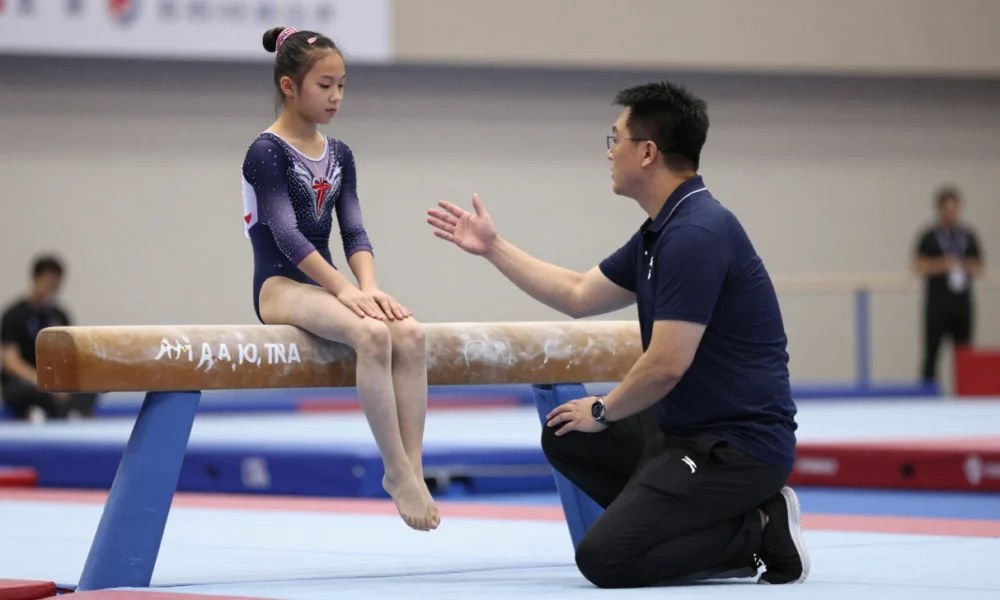
Gymnastics demands precision, strength, and flexibility, but the difference between skilled athletes and consistent competitors often comes down to psychological preparation. Behind every routine is a mental process that determines how gymnasts handle pressure, recover from mistakes, and push through physical limitations.
Table Of Content
- The Role of Mental Toughness in Gymnastics Performance
- Core Components of Psychological Training in Gymnastics
- Emotional Regulation During Performance
- Sustained Attentional Focus
- Resilience After Setbacks
- Practical Mindset Techniques for Gymnastics Coaches
- Structured Visualization Practice
- Process-Oriented Goal Setting
- Constructive Self-Talk Patterns
- Pressure Exposure Training
- The Coach-Athlete Relationship in Mental Development
- Age-Appropriate Mental Training Approaches
- Measuring Mental Toughness Development
- Integration with Physical Training
- Long-Term Benefits Beyond Competition
- Summary
Coaching that addresses both physical technique and psychological readiness creates more complete athletes. This article examines how gymnastics coaching incorporates mental toughness development and why this combination produces stronger competitors.
The Role of Mental Toughness in Gymnastics Performance
Mental toughness in gymnastics refers to an athlete’s capacity to maintain focus, regulate emotions, and sustain effort during training and competition. Unlike physical skills that show visible progress, psychological strength develops gradually through intentional practice.
Gymnasts face unique psychological demands:
- Performing complex skills with precision while managing fear
- Recovering quickly from falls or mistakes during competition
- Maintaining concentration through long training sessions
- Managing performance anxiety before and during routines
- Balancing the pressure of expectations from coaches, parents, and self
Physical conditioning provides the foundation for execution, but psychological readiness determines whether athletes can access those physical capabilities when it matters most. Research in sports psychology consistently shows that athletes with higher mental toughness ratings perform more consistently under competitive pressure.
Core Components of Psychological Training in Gymnastics
Coaches who integrate mental training into their gymnastics coaching programs typically address several interconnected psychological areas.
Emotional Regulation During Performance
Gymnasts experience intense emotions during training and competition—excitement, fear, frustration, and disappointment. Learning to recognize and manage these emotional states prevents them from disrupting technical execution. Coaches teach athletes to identify emotional triggers and implement calming techniques before they affect performance.
Sustained Attentional Focus
A gymnast’s environment contains countless distractions: equipment noises, other athletes moving nearby, judge observations, and internal self-talk. Mental training develops the ability to filter irrelevant stimuli and maintain attention on task-relevant cues. This selective attention becomes particularly important during complex routines where momentary lapses can lead to errors.
Resilience After Setbacks
Falls, missed qualifications, and disappointing scores are inevitable in gymnastics. The recovery speed from these setbacks often distinguishes athletes who progress from those who plateau. Mentally tough gymnasts process disappointments constructively, extract learning points, and return to training with adjusted strategies rather than diminished confidence.
Practical Mindset Techniques for Gymnastics Coaches
Coaches can implement specific strategies to strengthen athletes’ psychological capabilities alongside physical training.
Structured Visualization Practice
Mental rehearsal involves athletes imagining themselves performing skills correctly, including the sensory experiences of movement, sound, and body position. Effective visualization includes:
- First-person perspective (seeing through their own eyes)
- Real-time or slightly slowed speed
- Incorporation of physical sensations
- Focus on successful outcomes
- Regular practice integrated into training schedules
Coaches can guide visualization sessions before or after physical practice, helping athletes build neural pathways that support physical execution.
Process-Oriented Goal Setting
Many gymnasts focus excessively on outcomes—scores, placements, or making teams. While these matters, they also create pressure and depend on factors beyond the athlete’s control. Process goals focus on specific execution elements: hand placement onthe beam, arm angle during saltos, or landing mechanics. When athletes direct attention toward controllable process elements, anxiety decreases and consistency improves.
Constructive Self-Talk Patterns
The internal dialogue gymnasts maintain during training affects confidence and performance. Negative self-talk (“I always miss this skill,” “I’m not good enough”) becomes self-fulfilling. Coaches help athletes identify unhelpful thought patterns and develop replacement statements that are realistic and supportive (“I’ve landed this skill before,” “I’m working on the adjustment my coach showed me”).
Pressure Exposure Training
Mental toughness develops through repeated exposure to pressure situations in controlled environments. Coaches can simulate competition conditions during training:
- Performing routines for teammates or judges
- Training with music or crowd noise playing
- Requiring first-attempt success before moving to the next skills
- Creating consequence-based practice games
- Running routines at different times during practice
These exposures help gymnasts become familiar with pressure responses and develop coping strategies before actual competition.
The Coach-Athlete Relationship in Mental Development
The quality of interaction between coach and gymnast significantly influences psychological growth. Coaches who build trust-based relationships create conditions where athletes feel safe attempting difficult skills, admitting fears, and working through mental blocks.
Effective communication strategies include:
- Providing specific, actionable feedback rather than general criticism
- Acknowledging effort and courage alongside successful outcomes
- Creating predictable training environments with clear expectations
- Showing patience during skill acquisition plateaus
- Modeling emotional control during frustrating sessions
When athletes trust their coach’s guidance and believe the coach has their long-term interests in mind, they accept challenging feedback and push through difficult training periods more readily.
Age-Appropriate Mental Training Approaches
Mental toughness development should match the athlete’s developmental stage. Children and adolescent gymnasts process psychological concepts differently from adults.
For younger gymnasts (ages 6–10), mental training focuses on:
- Basic attention skills and following directions
- Enjoyment of movement and skill development
- Simple routines and predictable training structures
- Positive reinforcement and building confidence
For adolescent gymnasts (ages 11–15), coaches can introduce:
- Goal setting with athlete input
- Basic visualization techniques
- Emotional awareness and simple regulation strategies
- Understanding the connection between thoughts and performance
For older gymnasts (ages 16+), training expands to include:
- Advanced self-talk management
- Competition simulation and pressure training
- Independent problem-solving during training
- Performance routine development
Measuring Mental Toughness Development
Tracking psychological progress requires different methods than physical skill assessment. Coaches can observe behavioral indicators that suggest mental toughness growth:
- Faster recovery after mistakes during training
- Willingness to attempt challenging skills repeatedly
- Maintained effort when drills became difficult
- Appropriate emotional responses to feedback
- Consistent focus through full training sessions
- Transfer of skills from practice to competition
Athlete self-reports also provide useful information. Regular check-ins about confidence levels, anxiety sources, and perceived mental strengths help coaches adjust their approach and identify areas needing additional attention.
Integration with Physical Training
Mental training works best when woven throughout physical practice rather than treated as separate sessions. Coaches can incorporate psychological elements into existing training structures:
- Beginning sessions with brief centering or focus exercises
- Using skill attempts as opportunities for self-talk practice
- Debriefing falls or misses with constructive processing questions
- Ending sessions with positive reflection on effort and learning
- Connecting physical conditioning to mental toughness (“This strength work builds the endurance you’ll need for routine finishes”)
This integration reinforces that mental skills are not separate from gymnastics but are essential components of complete athletic preparation.
Long-Term Benefits Beyond Competition
Gymnastics coaching that emphasizes mental toughness provides athletes with capabilities that extend beyond their competitive careers. The psychological skills developed through structured training transfer to academics, professional environments, and personal relationships.
Former gymnasts often report that their athletic experiences taught them:
- How to work toward long-term goals with consistent effort
- Strategies for managing pressure and anxiety
- The value of constructive feedback and continuous improvement
- Resilience when facing setbacks or failures
- Confidence developed through overcoming difficult challenges
These outcomes represent the deeper value of gymnastics coaching that addresses the whole athlete rather than focusing exclusively on skill acquisition.
Summary
Mental toughness in gymnastics develops through intentional coaching practices that address psychological preparation alongside physical training. Coaches who understand the components of mental strength—emotional regulation, attentional control, resilience, and constructive self-talk—can structure training to build these capabilities progressively.
The most effective gymnastics coaching recognizes that champions are shaped through both physical conditioning and psychological development. By integrating mindset training into regular practice, coaches help athletes access their full capabilities during competition and build skills that serve them throughout life.