

Mount Rinjani Trekking Guide: Routes, Preparation, and Essential Information
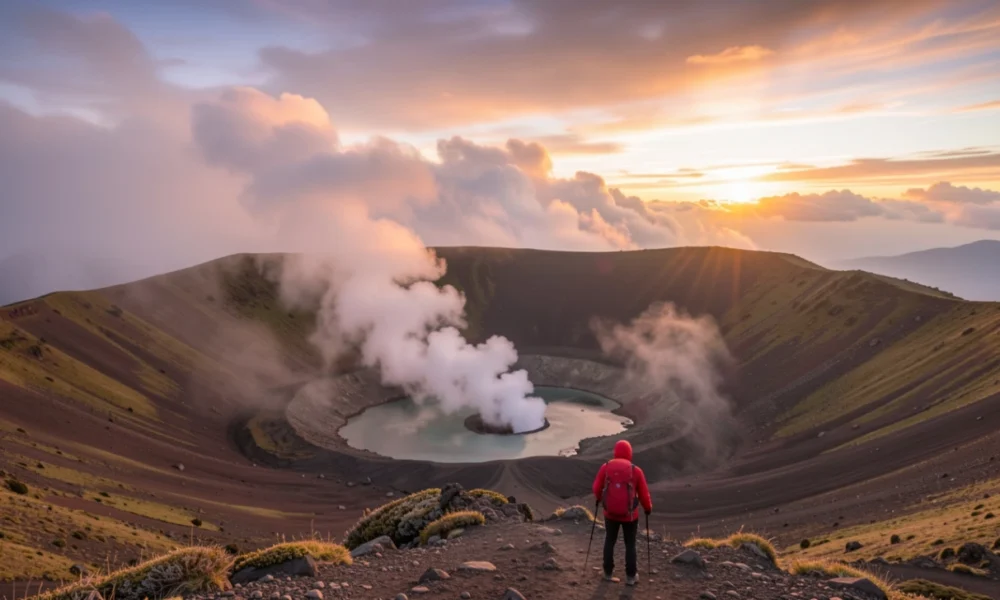
Mount Rinjani, an active volcano on Lombok Island, Indonesia, rises 3,726 meters (12,224 feet) and is the country’s second‑highest volcano. It forms the centrepiece of the Rinjani‑Lombok UNESCO Global Geopark and is renowned for its turquoise crater lake, Segara Anak. Trekking Rinjani is considered one of Southeast Asia’s most demanding and rewarding hiking experiences. This guide provides current, practical, and responsible information for planning a successful climb.
Table Of Content
- Annual Closure and Access Regulations
- Best Time to Trek
- Trek Difficulty and Physical Preparation
- Trekking Routes: Senaru and Sembalun
- Trekking Duration Options
- Typical Daily Itinerary (3‑Day, 2‑Night Sembalun–Senaru)
- Packing Essentials
- Guides and Porters
- Environmental Responsibility
- Cultural Significance
- Safety Considerations
- Conclusion
Annual Closure and Access Regulations
Mount Rinjani National Park enforces an annual closure, typically from January to March, to allow ecological restoration and ensure visitor safety during the rainy season. All trekking routes are closed during this period; attempting to climb is illegal and can result in fines or deportation. The park reopens in April, with optimal conditions from May to October. Independent trekking is not permitted—all visitors must be accompanied by a licensed guide or registered tour operator.
Best Time to Trek
The dry season (May to October) offers the most reliable weather: clear mornings, stable temperatures, and minimal rainfall. April and May provide lush green landscapes following the rains, while June through August are peak months with more trekkers. The wet season (November to March) is generally not recommended due to slippery trails, reduced visibility, and higher risks of landslides and storms. Early morning summit views are most consistent during the dry season.
Trek Difficulty and Physical Preparation
Trekking Rinjani is classified as strenuous. The combination of steep ascents, loose volcanic ash slopes, high altitude (summit above 3,700 m), and multi‑day camping requires good cardiovascular fitness, muscular endurance, and mental stamina. Altitude effects can occur above 2,500 m. Prior hiking experience and a training regimen that includes stair climbing, hill walking, and aerobic exercise are strongly advised. Most trekkers with reasonable fitness and proper preparation complete the trek successfully.
Trekking Routes: Senaru and Sembalun
Two villages serve as the main starting points, each offering a distinct approach to the crater rim.
- Sembalun Village (eastern approach) – Begins with gentle savanna terrain that gradually steepens. This is the shortest route to the summit and is preferred by those who prioritise a summit attempt. The trail is exposed to the sun and wind throughout.
- Senaru Village (northern approach) – Starts in dense tropical forest, providing shade and opportunities to observe birds, monkeys, and diverse flora. The ascent is steady through the forest before opening to alpine scrub. The summit is typically reached on the final day of a multi‑day itinerary.
Both routes converge at the crater rim and involve similar total elevation gain. The choice depends on trek duration preference and whether summit speed or forest immersion is prioritised.
Trekking Duration Options
Treks range from two to four days. The three‑day, two‑night itinerary is the most popular and recommended for first‑time trekkers.
2‑Day / 1‑Night Express
A compressed itinerary from Sembalun. Day 1: ascent to the crater rim campsite (Pelawangan Sembalun). Day 2: pre‑dawn summit attempt, followed by descent to Sembalun. This option does not include the crater lake.
3‑Day / 2‑Night Classic (Most Recommended)
Day 1: Start from Sembalun or Senaru, hike to the crater rim campsite.
Day 2: Early summit attempt, descend to Segara Anak crater lake, soak in hot springs, then ascend to the opposite rim campsite.
Day 3: Descent to Senaru village.
4‑Day / 3‑Night Relaxed
Similar to the 3‑day trek but with an extra overnight at the crater lake. This splits the demanding second day, allowing more time for rest, hot springs, and acclimatisation. Often preferred by those wanting a less rushed experience.
Typical Daily Itinerary (3‑Day, 2‑Night Sembalun–Senaru)
Day 1: Sembalun to Pelawangan Sembalun Campsite
- Distance: ~8 km, elevation gain: 1,450 m (1,150 m → 2,600 m)
- Duration: 6–8 hours
- Terrain: Grassy hillsides transitioning to rocky trail; exposed to sun.
- Campsite at the crater rim with sunset views over the Lombok Strait and Bali’s Mount Agung.
Day 2: Summit Push, Crater Lake, and Transfer to Senaru Rim
- 2:00 AM: Wake‑up, light breakfast.
- 3:00 AM: Begin summit ascent via volcanic ash slope; 3 km, 1,100 m elevation gain.
- 6:00–6:30 AM: Sunrise at summit (3,726 m); panoramic views.
- Descend to campsite (~2 hours), rest, full breakfast.
- Descend to Segara Anak crater lake (2,000 m); 2–3 hours.
- Lunch at the lake; optional soak in nearby hot springs (believed to have therapeutic properties).
- Afternoon ascent to Senaru crater rim campsite (2,641 m); 2–3 hours.
- Overnight at the second rim.
Day 3: Descent to Senaru Village
- Morning views, breakfast.
- Descent through forest to Senaru gate; 6–8 hours, 7 km, 1,600 m elevation loss.
- The trail can be slippery; trekking poles are recommended.
- Arrival at Senaru village; transport back to the starting point or onward.
Packing Essentials
The weather on Rinjani ranges from tropical heat at the base to near‑freezing temperatures and strong winds at the summit before sunrise. Appropriate gear is essential.
Clothing
- Moisture‑wicking base layers (avoid cotton)
- Insulating mid‑layer (fleece or lightweight down jacket)
- Waterproof and windproof outer shell
- Warm hat, gloves, balaclava or neck gaiter
- Sun hat and sunglasses
- Hiking trousers (convertible to shorts, optional)
Footwear
- Sturdy, broken‑in hiking boots with aggressive tread for loose ash
- Several pairs of moisture‑wicking socks
- Gaiters (recommended to keep ash and small stones out of boots)
Equipment
- Headlamp with spare batteries (essential for pre‑dawn summit start)
- Trekking poles (highly recommended for stability on steep, loose terrain)
- Sleeping bag (comfort rated to at least 0°C) – often provided by tour operators
- Personal first aid kit, including blister care and pain relievers
- Sunscreen (high SPF), lip balm
- Hydration system (2–3 litres capacity) and water purification tablets
- Snacks: energy bars, nuts, dried fruit
- Small towel, toiletries, biodegradable wet wipes
- Lightweight daypack (5–10 kg) for personal items; main gear carried by porter
Most tour operators supply tents, sleeping mats, cooking equipment, and meals. Confirm what is included before booking.
Guides and Porters
All trekkers must hire a licensed guide and are strongly advised to employ porters. Guides are knowledgeable about routes, weather, first aid, and local customs. Porters carry group equipment and trekkers’ main packs, significantly reducing physical strain. A typical ratio is one guide per 3–5 trekkers and one porter per two trekkers.
Selecting a Tour Operator
Choose operators with:
- Verified licenses and insurance
- Positive independent reviews (e.g., TripAdvisor, Google)
- Transparent pricing and clear inclusions
- Commitment to environmental sustainability and porter welfare
- Clear communication and responsive service
Typical costs for a three‑day trek range from USD 300 to 450 per person, depending on the operator, group size, and services. This usually includes park entry fees, meals, camping equipment, a guide, porters, and transport from nearby towns (Senggigi, Mataram, or Bangsal). Always confirm the full package details in writing.
Environmental Responsibility
Mount Rinjani receives tens of thousands of visitors annually. To preserve its ecosystems, trekkers should follow Leave No Trace principles:
- Pack out all trash, including organic waste.
- Use designated toilets where available; otherwise, bury human waste at least 200 feet from water sources and trails.
- Avoid washing in the crater lake; use biodegradable soap only for dishes at designated areas.
- Stay on marked trails to prevent erosion and vegetation damage.
- Do not disturb wildlife or remove plants, rocks, or cultural artefacts.
Several tour operators incorporate reforestation programs; consider supporting those with verifiable sustainability initiatives.
Cultural Significance
For the Sasak people of Lombok and Hindu Balinese, Rinjani is a sacred mountain believed to be the home of deities. Annual pilgrimages occur, particularly during the full moon. Trekkers should show respect by maintaining quiet behaviour, not touching offerings, and following local customs. The crater lake, Segara Anak, is often the site of religious ceremonies.
Safety Considerations
- Altitude sickness: Ascend slowly, stay hydrated, and inform your guide immediately if symptoms such as headache, nausea, or dizziness occur. Descent is the only effective remedy.
- Weather: Conditions change rapidly; be prepared for cold, wind, and sudden rain even in the dry season.
- Physical limits: Know your limits. It is acceptable to turn back if necessary.
- Insurance: Comprehensive travel insurance covering high‑altitude trekking (up to 4,000 m) and emergency evacuation is strongly recommended.
Conclusion
Trekking Mount Rinjani is a demanding but profoundly rewarding adventure. Success depends on careful planning, physical preparation, and choosing responsible guiding services. By respecting regulations, preparing adequately, and minimising environmental impact, visitors can experience this iconic Indonesian volcano safely and sustainably.
For further information, consult the official Mount Rinjani National Park website or contact the Lombok tourism board for the latest updates on trail conditions and park regulations.