

Mt Rinjani Trek: Complete Guide to Hiking Indonesia’s Sacred Volcano
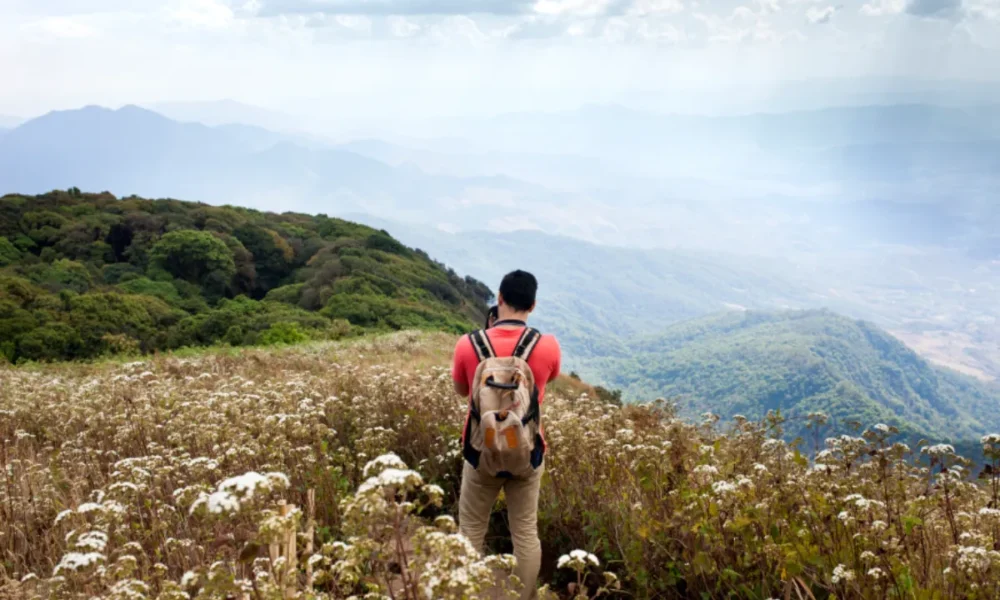
Over 10,000 adventurers trek to Mt Rinjani’s summit each year, yet fewer than 60% reach the top. This soaring volcano on Indonesia’s Lombok Island rises 3,726 meters, offering one of Southeast Asia’s most challenging yet rewarding hikes.
Table Of Content
- Why Hike Mt Rinjani?
- Pre-Trek Preparation and Essential Gear
- Physical Preparation
- Essential Gear for Mt Rinjani
- Permits and Regulations
- Routes and Itinerary Options
- Senaru Route (North)
- Sembalun Route (East)
- Torean Route (Southwest)
- Which Route Should You Choose?
- Safety and Local Guidelines
- Weather Considerations
- Health and Safety
- Choosing a Tour Operator
- Environmental Responsibility
- Insider Tips and Common Questions
- What’s the best time of year to hike Mt Rinjani?
- How challenging is the trek?
- What’s the food like?
- What about bathroom facilities?
- Can I hike Rinjani independently?
- What if I can’t make it to the summit?
- What local experiences shouldn’t be missed?
- Final Thoughts
This guide covers everything you need for a safe and memorable Rinjani trek – from detailed route information and preparation advice to insider tips that separate successful summits from abandoned attempts. Whether you’re a seasoned hiker or planning your first multi-day trek, you’ll find the essentials for conquering Indonesia’s second-highest volcano.
Why Hike Mt Rinjani?
Mt Rinjani isn’t just a mountain – it’s an adventure offering experiences found nowhere else in Southeast Asia.
The mountain’s near-perfect cone shape dominates Lombok’s skyline. What makes Rinjani truly special is its massive crater lake, Segara Anak (Child of the Sea), featuring stunning turquoise waters alongside a new volcanic cone that continues to grow. This lake holds spiritual significance for locals, who make pilgrimages here for ceremonies.
Rinjani’s slopes showcase remarkable biodiversity. Tropical forests give way to savannah-like landscapes and finally alpine terrain. The route takes you through multiple ecosystems, each with unique plant and animal life – from long-tailed macaques to rare ebony leaf monkeys and over 100 bird species.
Beyond natural beauty, Rinjani offers cultural immersion. The Sasak people (Lombok’s native inhabitants) consider the mountain sacred, and guides often share stories of its spiritual importance throughout your trek.
Reaching the summit delivers an unmatched sense of achievement. Standing above the clouds at sunrise, with views stretching to Bali’s Mt Agung, Sumbawa Island, and the vast ocean surrounding Lombok, creates memories that last a lifetime.
Pre-Trek Preparation and Essential Gear
Proper preparation makes the difference between an amazing adventure and a miserable experience on Mt Rinjani.
Physical Preparation
Rinjani demands good fitness. Begin training at least 6-8 weeks before your trip with regular cardio exercises like hiking, stair climbing, and uphill walking. Include strength training for legs and core, and practice hiking with a loaded backpack.
The trek involves 8-10 hours of daily hiking on challenging terrain. The final summit push is particularly demanding, with steep slopes of volcanic scree (loose rock) where you’ll slide backward with nearly every step forward.
Essential Gear for Mt Rinjani
Temperatures vary dramatically from hot and humid at the base to near-freezing at the summit. Pack these items:
- Hiking boots with good ankle support and grip
- Warm layers (thermal top, fleece jacket, windproof/waterproof outer layer)
- Hat and gloves for the summit
- Sun protection (hat, sunglasses, SPF 50+ sunscreen)
- Headlamp with extra batteries (essential for summit night)
- Trekking poles to protect your knees on steep descents
- Basic first aid kit with blister treatment
- Water bottle or hydration system (3L capacity)
- Small daypack for summit attempt
Most tour operators provide camping gear, food, and porters, but confirm what’s included before booking. While guides bring water for cooking, pack water purification tablets or a filter to treat additional water from streams.
Permits and Regulations
All hikers must obtain permits through licensed tour operators – independent hiking is prohibited. Entrance fees typically cost around 150,000-250,000 IDR for foreigners (approximately $10-16 USD), with higher rates on weekends and holidays. These fees support trail maintenance and conservation efforts.
The park sometimes closes during the rainy season (November-March) when conditions become dangerous, and may also close for religious ceremonies or after volcanic activity. Always check current conditions before finalizing plans.
Routes and Itinerary Options
Mt Rinjani offers several trekking routes, each with different challenges and highlights.
Senaru Route (North)
The most popular starting point begins in Senaru village.
3-Day, 2-Night Trek:
- Day 1: Trek from Senaru (601m) through tropical forest to Pos 3 campsite at 2,000m
- Day 2: Hike to crater rim (2,641m), then descend to lake, hot springs, and camp by the lake
- Day 3: Climb back to crater rim, then descend to Sembalun village
This route offers a more gradual ascent through lush forest with waterfalls and monkey sightings. The initial climb is easier than starting from Sembalun but doesn’t include the summit.
Sembalun Route (East)
Starting from Sembalun village, this route is preferred for summit climbs.
4-Day, 3-Night Trek:
- Day 1: Trek from Sembalun (1,156m) through savanna grasslands to Pos 3 campsite (1,800m)
- Day 2: Climb to Sembalun crater rim (2,639m) and camp
- Day 3: Summit attempt (3:00 AM start), return to rim, descend to lake, and camp
- Day 4: Climb to Senaru crater rim, then descend to Senaru village
This route offers more dramatic views across open landscapes and is the only practical way to reach the summit. The trade-off is a more strenuous first day with less shade.
Torean Route (Southwest)
The newest and least crowded route begins in Torean village. This 5-day, 4-night trek takes a longer but more gradual approach, includes both lake and summit, and offers unique landscapes different from the main routes.
Which Route Should You Choose?
If summiting is your priority, start in Sembalun. For a more gradual trek with forest scenery but no summit, choose Senaru. For the complete experience, do the 4-day trek starting in Sembalun and ending in Senaru.
The summit climb isn’t for everyone – it’s physically demanding with loose scree and steep 45° slopes in places. Many hikers enjoy the crater rim views without attempting the summit, and that’s perfectly acceptable.
The 4-day itinerary allows more time to enjoy the lake and hot springs that soothe tired muscles. Many trekkers report this relaxation time as their favorite part of the experience.
Safety and Local Guidelines
Safety should be your top priority when hiking Mt Rinjani.
Weather Considerations
The best time to trek is during the dry season (April to November), with ideal months being May, June, September, and October. July and August offer reliable weather but are the most crowded.
Even in the dry season, weather can change rapidly. Afternoons often bring fog and sometimes rain, while mornings typically have clearer skies. Summit attempts start around 3:00 AM for the clearest views and to finish the difficult section before intense heat.
During the rainy season (November-March), trails become dangerously slippery and landslides are possible. The park often closes during these months. If weather deteriorates mid-trek, follow your guide’s recommendations – turning back is always an option.
Health and Safety
Altitude sickness affects some hikers despite Rinjani’s moderate elevation. Symptoms include headache, nausea, and dizziness. Prevent problems by acclimatizing (spend a day in Senaru or Sembalun before starting), ascending gradually, and staying hydrated.
Other health concerns include dehydration (drink at least 3-4 liters daily), sunburn (the sun is intense in open areas), stomach issues (use water purification and maintain hand hygiene), and injuries (step carefully on uneven terrain and use trekking poles).
Choosing a Tour Operator
Since independent hiking isn’t permitted, choosing the right tour company is crucial. Look for official licensing with the national park, positive reviews mentioning safety practices and guide knowledge, fair treatment of porters, clear information about what’s included in the price, and commitment to environmental practices.
Local operators typically charge $250-400 USD for guided treks, depending on duration and group size. While cheaper options exist, they often compromise on food quality, guide expertise, or porter welfare. Ask if your guide is certified in first aid and what emergency procedures they follow.
Environmental Responsibility
Rinjani faces environmental challenges from increasing tourism. Pack out all trash (including toilet paper), use biodegradable soap if washing in streams, stay on established trails, and follow leave-no-trace principles.
Insider Tips and Common Questions
What’s the best time of year to hike Mt Rinjani?
May-June and September-October offer the perfect balance of dry weather and smaller crowds. July and August have reliable weather but busy trails. April and November are shoulder months with fewer people but higher rain chances.
How challenging is the trek?
On a difficulty scale of 1-10, experienced hikers rate Rinjani around 7-8. The difficulty comes from long hiking days (6-10 hours), significant elevation changes, very steep sections with loose footing, extreme temperature variations, and basic camping conditions. Most reasonably fit people can complete the trek with proper mental preparation and a steady pace.
What’s the food like?
Surprisingly good. Guides and porters prepare fresh meals even in remote conditions, including pancakes and eggs for breakfast, fried rice or noodles for lunch, and soup with curry, rice, and vegetables for dinner. Vegetarian options are available if requested in advance.
What about bathroom facilities?
Facilities are basic. At campsites, you’ll find simple outhouses or privacy tents with a hole in the ground. Bring toilet paper and hand sanitizer. There are no shower facilities, but the hot springs provide a natural bathing option.
Can I hike Rinjani independently?
No. National park regulations require all hikers to be accompanied by licensed guides. This policy protects the environment and creates sustainable tourism jobs for local communities.
What if I can’t make it to the summit?
Many trekkers choose to enjoy the spectacular crater rim views without attempting the summit. Communicate with your guide about your abilities and preferences – there’s no shame in skipping the summit push.
What local experiences shouldn’t be missed?
The sulfur-rich hot springs truly help sore muscles. Sunrise on the crater rim creates spectacular colors over the lake. Guides often prepare strong, sweet Lombok coffee. Ask your guide about local legends surrounding the mountain.
Final Thoughts
Mt Rinjani offers one of Southeast Asia’s most rewarding trekking experiences. The combination of challenging terrain, spectacular views, a sacred lake, and hot springs creates an adventure that balances physical challenge with natural beauty.
The mountain demands physical endurance, mental determination, and respect for the environment and local culture. In return, it provides memories that last a lifetime and a sense of accomplishment that few other experiences can match.
Whether you reach the summit or enjoy the crater rim, Rinjani’s magic lies in the journey itself. The friendships formed around campfires, the stars viewed from high camps, and the feeling of disconnecting from everyday life make every challenging step worthwhile.
If Rinjani calls to you, answer with proper preparation, reasonable expectations, and an open mind. Approach it with respect, and it will reward you with an experience beyond what photos or words can capture.