

Nature-Inspired Engagement Rings for Spring: Styles, Stones & Design Guide
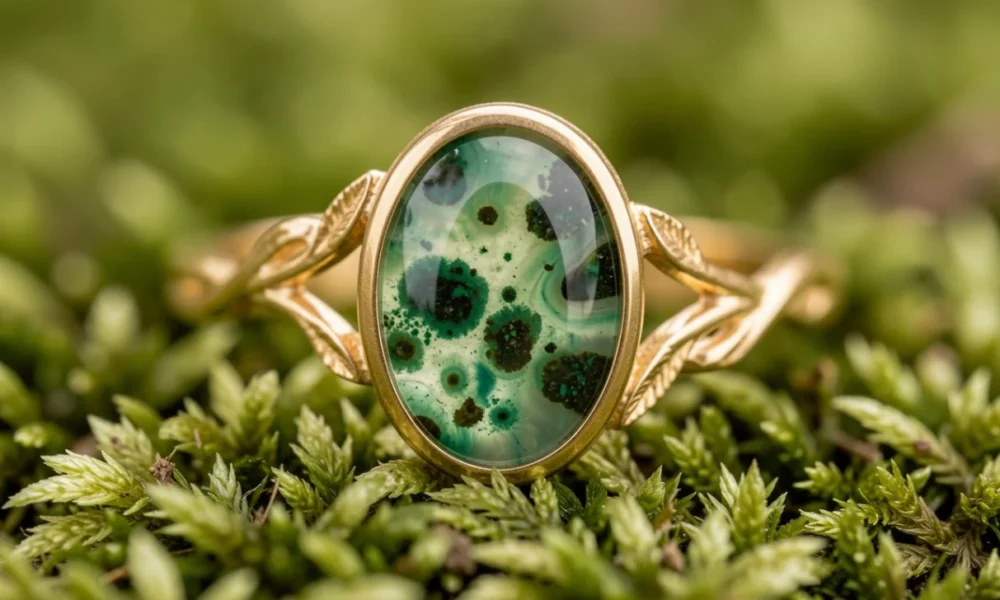
Spring is one of the most popular seasons for engagements, and it’s easy to see why the natural world plays such a role in ring design choices at this time of year. Flowering branches, fresh greenery, and the return of warmth all translate beautifully into jewelry — particularly engagement rings that carry botanical motifs, organic shapes, and earthy gemstones.
Table Of Content
- Why Nature-Inspired Rings Suit Spring Proposals
- Key Design Elements in Nature-Inspired Engagement Rings
- 1. Leaf Motifs
- 2. Branch and Vine Settings
- 3. Floral Motifs
- Moss Agate: The Defining Stone of the Collection
- Why Moss Agate Works for Spring Rings?
- Metal Options and How They Affect the Overall Look
- 1. Yellow Gold (14k or 18k)
- 2. Rose Gold
- 3. White Gold or Platinum
- How to Choose the Right Style for Spring
- 1. Lifestyle fit
- 2. Center stone size
- 3. Symbolic preference
- 4. Skin tone
- Final Thoughts
Nature-inspired engagement rings from Felicegals draw directly from flora, geology, and organic forms to create pieces that feel personal, symbolic, and visually distinctive. This guide covers the key design categories, gemstone options, metal choices, and style considerations worth knowing before you buy.
Why Nature-Inspired Rings Suit Spring Proposals
Beyond the visual appeal, nature-inspired rings carry layered symbolism that resonates with couples who value meaning in their jewelry. Leaf motifs represent growth and renewal. Floral designs reference love in bloom. Vine patterns suggest endurance and connection. These associations align naturally with spring — a season already tied to new beginnings.
In 2026, the broader engagement ring market is shifting toward rings that feel personal and story-driven rather than purely traditional. Woodland-inspired designs, earthy gemstones, and organic metalwork are among the most talked-about directions for the year, making this category particularly well-timed for spring proposals.
Key Design Elements in Nature-Inspired Engagement Rings
1. Leaf Motifs
Leaf designs are among the most versatile motifs in botanical jewelry. Metalworkers shape them from yellow gold, rose gold, or white gold to replicate the veining, curved edges, and layered texture found in actual foliage. Some leaf-motif rings use the leaves as side accents along the band; others incorporate full wraparound leaf settings that cradle the center stone.
Beyond aesthetics, leaf motifs carry consistent symbolic weight — representing fertility, growth, and the cycles of nature. For spring engagements specifically, a leaf-set ring connects the moment to the season in a way that endures well past the proposal itself.
Felicegals offers several leaf-motif options, including the Round Shaped Leaf Moss Agate Engagement Ring, which pairs botanical metalwork with an organic center stone for a cohesive, natural look.
2. Branch and Vine Settings
Branch and vine designs take botanical inspiration further by shaping the ring’s band or setting framework after woody stems and climbing plants. Twisted vine bands wrap around the finger in a way that mimics living growth. Branch-style settings often extend upward toward the center stone, creating a sculptural silhouette that differs noticeably from standard solitaire settings.
These designs tend to appeal to wearers who want their ring to feel handcrafted and slightly irregular — intentionally organic rather than geometrically precise. The Unique Kite Cut Moss Agate Leafy Bridal Ring Set (2pcs) from Felicegals is a strong example of branch-influenced design paired with an unconventionally cut center stone.
3. Floral Motifs
Floral engagement rings are the most recognizable category within botanical jewelry. Design approaches vary considerably: some rings feature petal-shaped prongs that hold the center stone like a flower in bloom; others use sculpted metal petals around the band, milgrain detailing to suggest delicate texture, or cluster settings where multiple stones form a floral shape together.
Floral rings pair especially well with rose gold, which reinforces the warm, organic color palette without requiring additional design elements. For center stones, moissanite and morganite are popular choices — both offer good clarity and warmth while keeping the overall aesthetic soft rather than stark.
Moss Agate: The Defining Stone of the Collection
Moss agate is a semi-precious stone formed from silicon dioxide with mineral inclusions — typically green chlorite or hornblende — that create patterns resembling moss, lichen, or forest undergrowth suspended within the stone. No two stones share the same internal pattern, which means every moss agate ring is inherently one of a kind.
The base tone typically ranges from translucent white to soft gray or pale blue-green, with the internal inclusions providing the characteristic green patterning. The overall effect reads as organic and quietly striking — it draws attention without the high visual contrast of a white diamond.
Why Moss Agate Works for Spring Rings?
The stone’s color palette aligns directly with spring: greens, whites, and soft cool tones that mirror fresh growth and early blooms. Moss agate also photographs exceptionally well in natural light, which matters for couples who plan to document their engagement.
Felicegals sets moss agate as cabochons in many of their nature-series rings — a setting style that keeps the full surface of the stone visible and lets the internal patterning remain the focal point. Surrounding metalwork in leaf or branch motifs reinforces the botanical theme without competing with the stone itself.
Couples drawn to the nature-inspired category sometimes compare moss agate to other earthy or organic-feeling stones. Here’s a brief overview of the most common alternatives:
| Stone | Color Range | Look/Feel | Good For |
|---|---|---|---|
| Moss Agate | Green inclusions, white/gray base | Organic, botanical | Leaf and vine ring settings |
| Morganite | Peach to blush pink | Warm, romantic | Floral settings, rose gold bands |
| Green Sapphire | Forest to sage green | Rich, structured | Minimalist or modern nature rings |
| Aquamarine | Pale blue to teal | Cool, clear | Spring and water-themed designs |
| Labradorite | Gray with iridescent flash | Mystical, shifting | Branch or forest-inspired rings |
Metal Options and How They Affect the Overall Look
Metal choice significantly affects how a nature-inspired ring reads on the hand. The main options available in this category are:
1. Yellow Gold (14k or 18k)
Warm and traditional. Yellow gold suits leaf and branch motifs well because it references the color of autumn foliage and sunlit greenery. It pairs naturally with green center stones like moss agate.
2. Rose Gold
Softer and more romantic in tone. Rose gold complements floral designs and works especially well alongside pink or peach stones like morganite. It’s one of the more popular choices for spring engagement rings.
3. White Gold or Platinum
Cooler and cleaner. White metals suit botanical designs where the focus should remain on intricate metalwork detail rather than the warmth of tone. They also pair well with aquamarine or pale moss agate.
Many buyers in this category look for coordinated bridal sets rather than standalone rings — a practical approach that ensures the engagement ring and wedding band fit together visually and physically. Nature-inspired sets often feature a shared design language: matching leaf details, complementary vine patterns, or bands shaped to nest against an organic-profile engagement ring.
The Unique Kite Cut Moss Agate Leafy Bridal Ring Set from Felicegals offers a matched two-piece option designed so the bands align cleanly without gaps, a common fit issue with nature-shaped rings that have irregular band profiles.
How to Choose the Right Style for Spring
A few practical considerations help narrow the choice:
1. Lifestyle fit
Rings with pronounced branch or vine extensions are visually striking but may catch on fabric or feel bulky for hands-on work. Lower-profile leaf settings or bezel-set stones offer a more practical daily wear option while keeping the natural aesthetic.
2. Center stone size
Moss agate and other semi-precious stones are typically available in larger sizes at lower price points than diamonds. Kite cuts and oval cuts display more surface area than round cuts of the same carat weight, which enhances the stone’s internal pattern visibility.
3. Symbolic preference
If symbolism matters, consider what the motifs mean to both partners. Leaf rings reference growth and renewal; vine rings suggest persistence and intertwining lives; floral rings are most directly tied to love and spring themes.
4. Skin tone
Rose gold reads warm and works across most skin tones. Yellow gold has a classic appeal but can feel more pronounced on fair skin. White gold or platinum tends to feel lighter visually.
Final Thoughts
Nature-inspired engagement rings offer something that few other jewelry categories can match: a design language that connects a piece of fine jewelry to something real, observable, and seasonally meaningful. For spring proposals, especially, rings featuring moss agate, botanical metalwork, or floral settings carry immediate visual resonance with the time of year.
Felicegals’ nature-inspired collection is built around this connection — combining organic stone selection with detailed botanical metalwork to produce rings that feel considered and personal rather than generic. Whether you’re drawn to the internal patterns of a moss agate cabochon, the structure of a leaf-set band, or the delicacy of a floral cluster, the collection covers the full range of what this category has to offer.