

Outdated Living Room Trends to Avoid in Life (+ Fresh Alternatives)
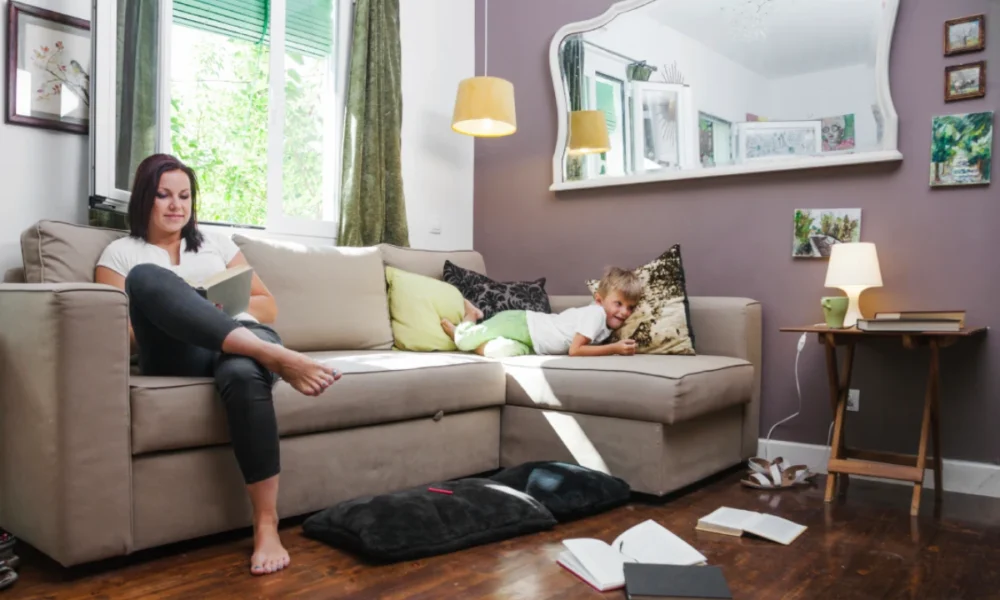
Outdated Living Room Trends matter that Your living room reflects your personal style and how you live. But design preferences shift, and what felt fresh a few years ago can now make your space look stuck in time.
Table Of Content
- 1. All-Neutral, Minimalist Spaces Are Out
- 2. Overstuffed, Bulky Furniture Feels Dated
- 3. Formal, Traditional Layouts No Longer Work
- 4. Oversized Media Consoles Are Yesterday’s News
- 5. Blonde Oak and Bare Minimalist Walls Feel Empty
- 6. Harsh Overhead Lighting Creates the Wrong Mood
- Modern Alternatives: What Works Now
- Final Thoughts: Creating Lasting Style
Understanding which living room trends have lost their appeal helps you make smarter decorating decisions. We’ve identified six common design choices that now look dated, along with modern alternatives that will keep your space current and inviting.
1. All-Neutral, Minimalist Spaces Are Out
The era of all-white and strictly neutral living rooms has ended. These monochromatic spaces often feel lifeless and lack the personality that makes a house feel like home.
Purely neutral rooms can appear cold rather than sophisticated. While minimalism has its place, taking it too far strips away warmth and character. Many homeowners who embraced this trend find their rooms uninviting and impersonal.
Instead, build on neutral foundations with layered textures and warm accents. Think cream sofas paired with terracotta pillows, woven throws, and natural wood tones. Tactile fabrics like linen, bouclé, and wool add depth without overwhelming the space. This approach maintains a clean aesthetic while creating a more personalized environment.
2. Overstuffed, Bulky Furniture Feels Dated
Those massive, overstuffed sectionals that dominated showrooms now look clunky in actual living spaces. Bulky furniture crowds rooms and disrupts visual flow, making even large spaces feel cramped.
Heavy, oversized pieces limit your arrangement options and flexibility. They work against the modern preference for adaptable spaces that serve multiple purposes throughout the day.
Choose lighter, more sculptural furniture with visible legs and slimmer profiles. Pieces with interesting shapes open up floor space and create better visual flow. Modular options offer flexibility for different occasions—movie night, game day, or intimate conversations—without permanently committing to one configuration.
3. Formal, Traditional Layouts No Longer Work
The rigid living room with matching sofa-loveseat combos and symmetrical arrangements feels unnecessarily stiff. These formal layouts create spaces that photograph well but don’t invite actual use.
Modern living demands comfort and versatility. Matchy-matchy furniture sets lack personality and rarely reflect how people actually use their living rooms today. Most households need spaces that transition easily from work calls to family time to entertaining friends.
Create conversation-friendly arrangements with varied seating positioned to encourage interaction. Mix complementary pieces that reflect your style rather than buying complete sets. A sectional paired with accent chairs, or a sofa with a bench and poufs, offers more visual interest and practical flexibility. Comfort should always guide your furniture selection and placement.
4. Oversized Media Consoles Are Yesterday’s News
Dedicating an entire wall to a massive media console is a holdover from when entertainment centers needed to house bulky TVs and extensive equipment. Today’s slim screens make these enormous pieces look disproportionate and outdated.
Large consoles demand too much visual attention in rooms where the TV isn’t the focal point. They also limit your ability to reconfigure the space as your needs change.
Opt for streamlined media solutions like floating shelves or wall-mounted TVs with minimal storage underneath. Multifunctional furniture that conceals technology when not in use maintains clean lines. If you need substantial storage, consider built-ins that integrate seamlessly with your walls rather than standing out as separate furniture pieces.
5. Blonde Oak and Bare Minimalist Walls Feel Empty
Light wood finishes dominated recent years, but the blonde oak trend has reached saturation. Similarly, completely bare walls now look unfinished rather than intentionally minimal.
This combination creates spaces that lack warmth and personality. While decluttering has value, stripping away too much character makes rooms feel like temporary housing rather than established homes.
Embrace layered, personalized styling with textured wall treatments and meaningful decorations. Gallery walls, fabric panels, or architectural molding add visual interest without clutter. Mix wood tones—incorporating darker or richer finishes alongside lighter pieces—creates depth and prevents the monotonous look of single-finish spaces.
Don’t overcorrect into maximalism if that’s not your style. Even minimalist rooms benefit from intentional focal points and texture variation.
6. Harsh Overhead Lighting Creates the Wrong Mood
Relying solely on cold, overhead ceiling lights dates your space instantly. Single-source lighting casts unflattering shadows and creates a clinical atmosphere that works against relaxation.
Most activities in living rooms—reading, conversation, watching TV, working—benefit from different lighting conditions. One central fixture can’t address these varying needs effectively.
Implement layered lighting with multiple sources at different heights. Combine floor lamps, table lamps, sconces, and dimmable fixtures to create warmth and adjustability. This approach lets you modify the ambiance based on time of day and activity. Wall sconces add ambient light without consuming surface space, while table lamps provide task lighting where needed.
Modern Alternatives: What Works Now
Design has shifted from safe neutrals toward richer, more saturated colors. Deep greens, warm burgundies, and complex blues create immersive spaces that feel both current and timeless. You don’t need to paint everything one color—accent walls or bold furniture pieces introduce depth without overwhelming commitment.
Mixing eras adds character that perfectly coordinated rooms lack. Vintage pieces combined with contemporary furniture create collected, layered looks. One statement vintage item anchored by clean-lined modern pieces tells a story that new showroom furniture cannot.
With more people working from home and entertaining in their living spaces, multifunctional furniture has become essential rather than optional. Coffee tables with storage, nesting tables, and ottomans with hidden compartments maximize function in limited square footage. These pieces adapt to how you actually live rather than forcing your life around static furniture.
Textured wall finishes—from subtle plaster to dimensional paneling—add tactile interest that flat paint cannot match. These treatments create depth without overwhelming the room’s overall aesthetic. Even a single accent wall with texture can transform how a space feels.
Final Thoughts: Creating Lasting Style
The most successful living rooms balance current preferences with timeless fundamentals. Avoid chasing every trend, but don’t ignore shifts that reflect genuine improvements in how we use our spaces.
Focus on comfort and personality over magazine-perfect styling. Create rooms that support your daily life—whether that means prioritizing conversation areas, maximizing natural light, or accommodating pets and kids.
Mix bold choices with classic pieces to prevent your space from feeling dated too quickly. The most inviting living rooms reflect their owners’ lives and preferences rather than copying generic displays. When your space works for how you actually live, it stays relevant regardless of shifting trends.