

Outdoor Stone Fireplace | Design, Installation, and Cost Guide
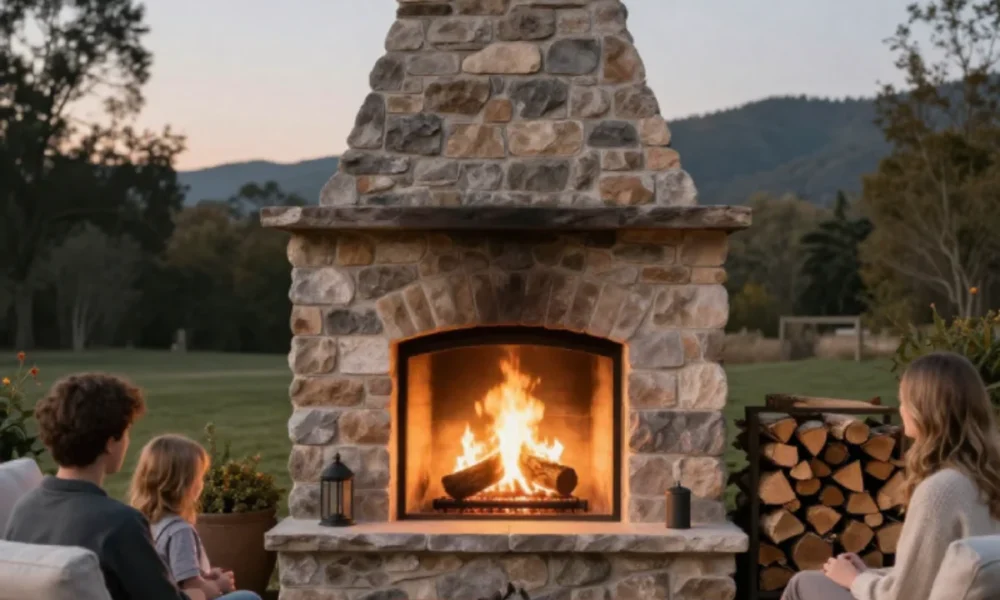
An outdoor stone fireplace transforms your backyard into a year-round living space, providing warmth on cool evenings and creating a natural gathering spot for family and friends. Whether you’re hosting social gatherings or seeking a quiet retreat, these permanent structures extend your outdoor enjoyment well into fall and winter months.
Table Of Content
- Why Outdoor Stone Fireplaces Are Worth the Investment
- Types and Styles of Outdoor Stone Fireplaces
- Stone Material Selection and Properties
- Cost Breakdown for Outdoor Stone Fireplaces
- Design and Location Considerations
- Fuel Source Options and Performance
- Building Codes, Permits, and Compliance
- DIY Installation vs Professional Services
- Maintenance Requirements and Best Practices
- Selecting Professional Contractors
- Frequently Asked Questions
- Final Considerations
Why Outdoor Stone Fireplaces Are Worth the Investment
Stone fireplaces combine natural beauty with exceptional durability. Unlike portable fire pits or metal alternatives, stone construction withstands extreme weather conditions, including freeze-thaw cycles, without warping or discoloration.
An outdoor fireplace functions as an additional outdoor room, usable throughout the year for everything from casual family dinners to weekend entertaining. The heat output allows comfortable outdoor use even when temperatures drop, extending your patio season by several months.
Property value increases by approximately 6-12% with a well-designed outdoor fireplace installation. Buyers in many markets view these features as premium additions that differentiate properties in competitive real estate environments.
Types and Styles of Outdoor Stone Fireplaces
Traditional Masonry Fireplaces feature rectangular designs with vertical chimneys reaching 7-10 feet in height. These classic structures provide substantial heat output and work well with wood-burning or gas fuel systems.
Fireplaces with Raised Hearths include built-in seating areas at the fireplace base. The raised hearth design offers functional space for food preparation, drink placement, or additional guest seating near the heat source.
Two-Sided Fireplaces serve dual outdoor zones simultaneously, making them ideal for properties with separate patio and pool areas or for dividing large outdoor entertainment spaces while maintaining visual connection between zones.
Fire Pit Style with Stone Surround provides a more casual, communal alternative to traditional fireplaces. These lower-profile designs work well for intimate gatherings and typically cost less than full-height fireplace structures.
Stone Material Selection and Properties
Fieldstone offers an irregular, rustic appearance with earthy tones ranging from gray to brown. This natural stone works well for traditional or country-style landscapes and typically costs $25-$45 per square foot installed.
Granite ranks among the most durable stone options available, with exceptional heat resistance and minimal maintenance requirements. Available in colors from black to pink, granite costs $35-$100+ per square foot for materials alone.
Limestone provides a lighter, more contemporary aesthetic with its smooth finish and pale color palette. This sedimentary stone weathers naturally over time and ranges from $35-$75 per square foot.
Flagstone features flat, layered formations ideal for hearth construction and fireplace bases. Its natural slip resistance and wide color range (from tan to deep red) make it versatile for various design styles.
Slate delivers a sleek, modern appearance with dark tones and smooth texture. This metamorphic rock performs well in contemporary designs and costs $35-$75 per square foot installed.
Manufactured Stone Veneer replicates natural stone appearance at reduced weight and cost ($25-$75 per square foot). Made from concrete and mineral pigments, manufactured stone installs faster than natural stone and offers consistent color and texture.
Cost Breakdown for Outdoor Stone Fireplaces
Outdoor stone fireplace costs range from $1,500 to $20,000 depending on design complexity, materials, and installation method.
Prefabricated Fireplace Kits cost $1,500-$9,000 installed. These modular systems from manufacturers like Belgard, Unilock, and Stone Age include pre-cut components that reduce installation time to 2-4 hours for experienced DIYers or one weekend for professional crews.
Custom-Built Stone Fireplaces range from $6,000-$20,000 with high-end projects exceeding $50,000. Custom construction allows complete control over dimensions, stone selection, and integrated features like wood storage boxes, mantels ($500-$3,000), or outdoor kitchen connections.
Labor Costs for professional installation run $50-$150 per hour. Masonry work typically costs $70-$100 per hour, while gas line installation requires licensed plumbers at $50-$130 per hour. Complete installation labor ranges from $1,000-$5,000 depending on project complexity.
Material Cost Factors include:
- Stone type and quality ($25-$100+ per square foot)
- Concrete foundation (4-8 inches thick reinforced pad)
- Refractory fire brick for firebox ($3-$8 per brick)
- Mortar and adhesives ($50-$200)
- Chimney components and spark arrestor ($200-$800)
- Gas line installation ($12-$25 per linear foot)
Additional Costs to consider:
- Site preparation and clearing ($500-$2,000)
- Building permits ($50-$500)
- Annual chimney cleaning ($150-$375)
- Weather damage repairs ($450-$3,000)
Design and Location Considerations
Minimum Clearance Requirements vary by municipality but typically include:
- 10-15 feet from structures (houses, garages, sheds)
- 7 feet minimum setback from property lines
- 10 feet from overhanging branches or combustible materials
- 25 feet from combustible structures for wood-burning units in high fire-risk areas
Site Preparation requires a reinforced concrete pad 4-8 inches thick. For larger fireplaces, engineers may recommend deeper foundations to prevent settling. Proper drainage around the fireplace pad prevents water accumulation and freeze damage.
Size Proportions should match your outdoor space scale. Small patios (200-300 square feet) work best with compact fireplaces 5-7 feet tall, while expansive yards (500+ square feet) can accommodate grand structures 8-12 feet in height.
Smoke Direction depends on prevailing wind patterns in your yard. Position the fireplace so smoke flows away from seating areas and neighboring properties. Consider seasonal wind shifts when determining optimal placement.
Seating Arrangements require 6-10 feet of clearance in front of the fireplace for comfortable furniture placement. Built-in stone benches, freestanding patio furniture, or custom seating walls can all complement the fireplace design.
Fuel Source Options and Performance
Wood-Burning Fireplaces deliver authentic crackling fire ambiance and high heat output but require:
- Masonry chimney with UL-127 or ULC-S610 certification
- Regular ash removal after each use
- Annual chimney cleaning and inspection
- Local compliance with burn bans and air quality regulations
- Proper firewood storage (covered, dry, elevated)
Installation costs run $2,000-$15,000 with the chimney representing 40-50% of total expenses.
Natural Gas Fireplaces offer convenient operation via switch or remote control. Benefits include:
- Clean burning with minimal maintenance
- Instant ignition and adjustable flame control
- No ash removal or wood storage needed
- Lower fire risk than wood-burning units
Gas line installation adds $360-$740 on average ($12-$25 per linear foot from the house connection). Monthly operating costs range from $40-$190 for 3-6 hours of daily use.
Propane Fireplaces provide gas convenience for properties without natural gas service. A 100-325 gallon propane tank ($600-$2,500 installed) stores fuel for the season. Operating costs mirror natural gas but require periodic tank refills.
Electric Outdoor Fireplaces represent the most affordable option ($500-$2,500 installed) with no venting requirements. However, electric units produce less heat and lack authentic flame appearance.
Building Codes, Permits, and Compliance
Most jurisdictions require building permits for permanent outdoor fireplace installations. Permit applications typically need:
- Detailed construction plans showing dimensions and materials
- Site plan indicating setbacks from property lines and structures
- Manufacturer specifications for prefabricated components
- Gas line routing plans (if applicable)
- Licensed contractor information
Common Code Requirements:
- Spark arrestor installation on chimney tops
- Minimum chimney height (typically 2 feet above any roof within 10 feet)
- Proper venting and draft performance
- Fire-resistant materials throughout construction
- Compliance with local air quality regulations
Inspection Process involves:
- Footing and foundation inspection before concrete pour
- Rough-in inspection for gas lines and structural elements
- Final inspection verifying completed construction meets approved plans
Permit costs range from $50-$500 depending on location and project scope. Processing time varies from 2-6 weeks in most municipalities.
DIY Installation vs Professional Services
DIY Fireplace Kits work well for experienced homeowners comfortable with masonry techniques. Prefab kits from manufacturers like Romanstone, Whiz-Q Stone, and Western Interlock include:
- Pre-cut stone or concrete blocks
- Adhesive and mortar supplies
- Fire brick for firebox lining
- Detailed assembly instructions
- Spark arrestor and chimney components
Assembly time ranges from 4-5 hours for simple kits to one full weekend for larger designs. However, foundation work and gas line connections still require professional expertise.
Professional Installation Benefits:
- Expert knowledge of local building codes and permit requirements
- Proper foundation construction preventing settling or shifting
- Safe gas line installation by licensed plumbers
- Quality control ensuring heat-resistant materials throughout
- Warranty coverage on workmanship (typically 1-2 years)
- Faster completion timeline (1-2 weeks for custom builds)
Safety Considerations for DIY Projects:
- Masonry experience required for proper mortar application
- Heavy lifting equipment needed (stone weighs 15-25 pounds per square foot)
- Risk of structural failure if foundation inadequate
- Potential fire hazards from improper clearances
- Code violations leading to costly corrections or removal
When to Hire Professionals:
- Complex custom designs
- Gas line installation required
- Limited masonry experience
- Large-scale projects (8+ feet tall)
- High-value property improvements
Maintenance Requirements and Best Practices
Regular Cleaning Tasks:
- Remove ash after each use for wood-burning units
- Sweep debris, leaves, and soot weekly during active use
- Deep clean annually with brush and warm soapy water
- Inspect mortar joints for cracks or degradation
Annual Professional Services:
- Chimney cleaning and inspection ($150-$375)
- Gas line pressure testing for gas-fueled units
- Structural assessment for settling or damage
- Repointing mortar as needed
Seasonal Protection:
- Cover fireplace during extended non-use periods
- Seal stone surfaces every 2-3 years (depending on stone type)
- Clear snow and ice from chimney cap
- Inspect for freeze-thaw damage each spring
Common Repairs:
- Cracked stone replacement ($200-$800 per section)
- Mortar joint repointing ($15-$25 per linear foot)
- Chimney cap replacement ($200-$500)
- Gas valve servicing ($100-$300)
Selecting Professional Contractors
Experienced outdoor fireplace contractors bring specialized knowledge that ensures safe, durable installations. Look for professionals with:
Credentials and Experience:
- Active masonry or general contractor license
- Liability insurance and worker’s compensation coverage
- Portfolio of completed outdoor fireplace projects
- Minimum 5 years experience with stone construction
- Manufacturer certifications (for specific fireplace brands)
Reference Verification:
- Contact at least 3 recent clients
- Request before-and-after photos
- Confirm projects completed on schedule and within budget
- Verify proper permit acquisition and inspection passage
Written Proposals Should Include:
- Detailed material specifications and quantities
- Labor costs broken down by phase
- Timeline with milestone dates
- Permit application responsibility
- Warranty terms on materials and workmanship
- Payment schedule tied to project progress
Red Flags to Avoid:
- Requests for full payment upfront
- No written contract or vague specifications
- Cannot provide verifiable references
- Suggests skipping permit process
- Significantly lower bid than competitors (40%+ difference)
Frequently Asked Questions
How long does outdoor fireplace installation take? Prefab kit installation takes 1-2 days, while custom stone fireplaces require 1-3 weeks including foundation curing time, stone work, and final inspections.
Can I use my outdoor fireplace year-round? Yes, outdoor stone fireplaces function in all seasons. Snow and rain do not damage properly constructed stone fireplaces, though covers extend material lifespan during extended dormant periods.
What return on investment can I expect? Outdoor fireplaces provide approximately 56% ROI at resale, with well-designed installations increasing property value by 6-12% in most markets.
Do I need a chimney for a gas fireplace? No, gas outdoor fireplaces do not require traditional chimneys. However, proper venting ensures safe operation and may still involve vertical vent pipes depending on design and local codes.
How much does it cost to run a gas outdoor fireplace? Operating a gas fireplace for 3-6 hours daily costs $40-$190 per month depending on local natural gas rates and BTU output of your specific unit.
Final Considerations
Outdoor stone fireplaces represent significant investments in outdoor living comfort and property value. Success depends on thorough planning that addresses location requirements, budget constraints, local regulations, and long-term maintenance needs.
Homeowners should obtain multiple professional estimates, verify contractor credentials, and ensure full permit compliance before beginning construction. Whether selecting a prefabricated kit or commissioning custom stonework, prioritizing proper foundation work, quality materials, and experienced installation produces a fireplace that delivers decades of reliable outdoor enjoyment.