

Understanding Pharmaceutical-Grade Mushroom Spores | Quality Standards and Research Applications
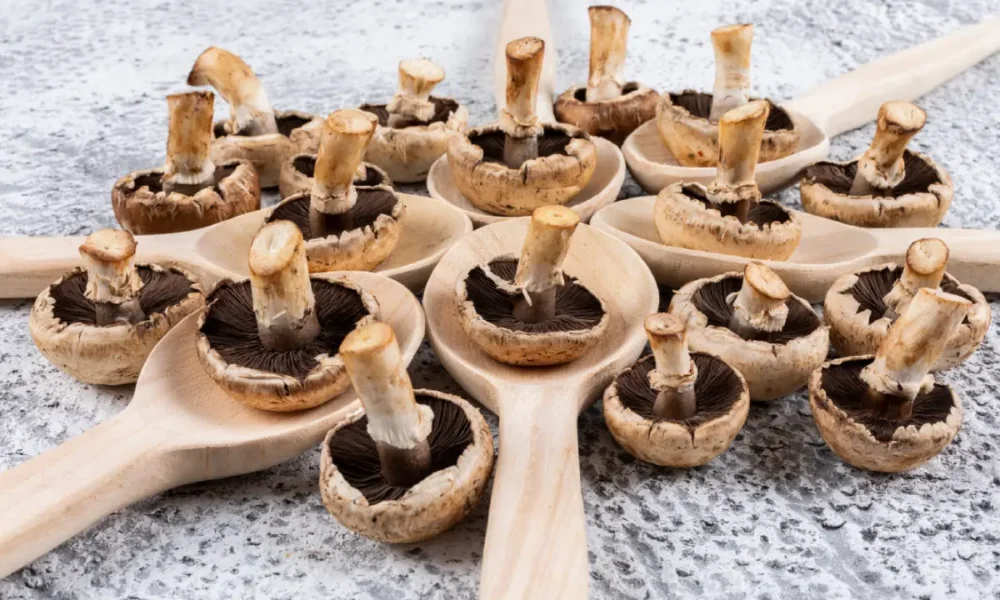
Mushroom spores represent the reproductive units of fungi, containing genetic material necessary for cultivation and study. In research and scientific contexts, pharmaceutical-grade spores refer to specimens produced under controlled conditions with specific quality assurance protocols. These standards ensure consistency, purity, and reliability for academic research, mycological studies, and controlled experiments.
Table Of Content
- Defining Pharmaceutical-Grade Standards
- Quality Control and Contamination Prevention
- Production and Cultivation Methods
- Research Applications in Mycology and Biology
- Spores Versus Mycelium: Understanding Growth Stages
- Species Commonly Used in Research
- Regulatory and Legal Considerations
- Sourcing Considerations for Research
- Current State of Mushroom Research
- Practical Considerations for Researchers
- Conclusion
The distinction between pharmaceutical-grade and standard-grade spores lies primarily in production methods, contamination control, and quality verification. Understanding these differences matters for researchers, mycologists, and institutions conducting studies involving fungal biology, compound analysis, or cultivation techniques.
Defining Pharmaceutical-Grade Standards
Pharmaceutical-grade mushroom spores are produced in environments that minimize contamination and maintain genetic consistency. Production typically occurs in sterile laboratory settings where temperature, humidity, and air quality are monitored and controlled.
These spores undergo quality assurance testing to verify species identity and detect potential contaminants. Testing may include microscopic examination, genetic verification, and microbial screening. The goal is to provide researchers with specimens that produce predictable, reproducible results.
Standard-grade spores, by contrast, may be produced in less controlled environments and may not undergo the same verification processes. While suitable for some applications, they carry higher risks of contamination or genetic variation.
Quality Control and Contamination Prevention
Contamination represents a significant concern in spore production. Bacterial, mold, or cross-species contamination can invalidate research results and compromise experimental integrity.
Pharmaceutical-grade production addresses this through multiple controls:
Sterile Production Environment: Laminar flow hoods, HEPA filtration, and cleanroom protocols reduce airborne contaminants during spore collection and packaging.
Source Material Verification: Fruiting bodies used for spore collection are grown from verified cultures with documented genetic lineage.
Post-Production Testing: Samples from each batch undergo microscopic examination and, in some cases, culture testing to confirm purity before distribution.
Proper Packaging: Spores are stored in sterile containers with appropriate seals to prevent post-production contamination.
These measures increase production costs but provide the reliability necessary for scientific work.
Production and Cultivation Methods
Pharmaceutical-grade spore production follows systematic protocols beginning with verified culture stocks. The process typically involves several stages:
Clean cultures are grown in controlled conditions until they produce mature fruiting bodies. Spores are collected using sterile techniques, often in specialized collection chambers that prevent environmental contamination.
Following collection, spores are processed to remove debris and verified for viability. Storage conditions are carefully managed, as spore viability decreases over time. Temperature, light exposure, and moisture levels all affect long-term storage success.
Documentation throughout the process provides traceability, allowing researchers to verify the origin and handling of specimens.
Research Applications in Mycology and Biology
Pharmaceutical-grade spores serve multiple research purposes across scientific disciplines.
Taxonomic Studies: Researchers use spores to study fungal classification, species identification, and evolutionary relationships. Spore morphology provides important taxonomic information.
Cultivation Research: Studies examining optimal growing conditions, substrate preferences, and environmental factors require consistent starting material to produce valid results.
Genetic Research: Spores provide genetic material for studies examining fungal genetics, breeding, and strain development.
Compound Analysis: Some research focuses on compounds produced during fungal growth. Starting with verified, contamination-free spores ensures that any compounds detected originate from the target species.
It’s important to note that spores themselves generally do not contain the bioactive compounds found in mature fungi. Research involving specific compounds typically requires cultivation to later growth stages.
Spores Versus Mycelium: Understanding Growth Stages
Fungal life cycles include distinct stages, each with different characteristics and research applications.
Spores are single-celled reproductive structures containing genetic material. They remain dormant until conditions support germination.
Upon germination, spores develop into mycelium—a network of thread-like structures called hyphae. Mycelium colonizes substrates and eventually produces fruiting bodies (mushrooms).
Many bioactive compounds associated with medicinal mushroom species are produced by mycelium or fruiting bodies, not spores. Research targeting specific compounds typically requires cultivation beyond the spore stage.
Understanding these distinctions helps researchers select appropriate materials for specific studies.
Species Commonly Used in Research
Certain mushroom species receive more research attention due to documented compounds or traditional use in various practices.
Psilocybe Species: These fungi have been subjects of clinical research examining potential applications in mental health contexts. Regulations governing these species vary significantly by jurisdiction.
Pleurotus Species (Oyster Mushrooms): Commonly studied for cultivation techniques, nutritional content, and potential bioactive compounds.
Ganoderma Species (Reishi): Investigated for polysaccharides and other compounds with research examining immune system interactions.
Hericium Species (Lion’s Mane): Research has examined compounds that may interact with nerve growth factors.
Research involving these and other species requires appropriate permits and adherence to regulatory requirements.
Regulatory and Legal Considerations
Legal status of mushroom spores varies by jurisdiction and species. In many locations, possessing spores is legal because they do not contain controlled substances. However, cultivating certain species may be restricted or prohibited.
Psilocybin-producing species face particular regulatory scrutiny. While spores may be legal to possess in some jurisdictions, cultivation often is not. Researchers working with these species typically require specific licenses or institutional approval.
Before acquiring or working with mushroom spores, verify local regulations. Legal status can change, and requirements vary between research institutions, private entities, and individuals.
Responsible research practices include:
- Understanding applicable laws and regulations
- Obtaining necessary permits or approvals
- Working within institutional review protocols when applicable
- Documenting all work appropriately
Sourcing Considerations for Research
Quality and reliability of spores depend significantly on the supplier. Researchers should evaluate potential sources based on several factors.
Documentation: Reputable suppliers provide information about species identification, collection methods, and quality control procedures.
Verification Methods: Sources that conduct genetic or microscopic verification offer greater reliability.
Sterility Assurance: Information about contamination prevention and testing demonstrates commitment to quality.
Traceability: The ability to trace spores to specific cultures or collection batches supports research reproducibility.
Regulatory Compliance: Suppliers should operate within legal frameworks and provide appropriate documentation for restricted species.
Price alone does not indicate quality. Lower-cost options may lack proper controls, while higher prices should correspond to documented quality measures.
Current State of Mushroom Research
Scientific interest in fungal biology and mushroom-derived compounds has increased in recent years. Research areas include:
Mycology and Ecology: Studies examining fungal roles in ecosystems, decomposition, and nutrient cycling.
Nutritional Science: Analysis of nutritional profiles and potential health-supporting compounds in edible species.
Pharmacological Research: Investigation of specific compounds for potential medical applications, though most research remains in early stages.
Biotechnology: Exploration of fungi for enzyme production, bioremediation, and sustainable materials.
Clinical research involving certain mushroom species and their compounds is ongoing, but most potential applications remain under investigation. Claims about therapeutic benefits should be evaluated carefully and distinguished from established medical treatments.
Practical Considerations for Researchers
Working with pharmaceutical-grade spores requires appropriate facilities and knowledge.
Basic requirements include:
Sterile Workspace: Laminar flow hoods or similar equipment to prevent contamination during handling.
Proper Storage: Temperature-controlled environments that maintain spore viability.
Documentation Systems: Records tracking specimen sources, handling procedures, and storage conditions.
Safety Protocols: Appropriate personal protective equipment and procedures, particularly when working with unknown species or potential allergens.
Researchers new to mycology benefit from training in sterile technique, spore identification, and cultivation methods before beginning independent work.
Conclusion
Pharmaceutical-grade mushroom spores serve important roles in scientific research, mycological studies, and controlled experiments. Quality standards, contamination prevention, and proper sourcing ensure reliable results and support valid research.
Understanding the distinctions between pharmaceutical-grade and standard-grade materials, recognizing different fungal life stages, and operating within appropriate regulatory frameworks enable responsible research practices.
As scientific interest in fungal biology continues, rigorous standards for research materials become increasingly important. Pharmaceutical-grade spores provide the consistency and reliability necessary for advancing knowledge in this growing field.