

Pope Francis Net Worth and Vatican Wealth: Understanding the Reality Behind the Position
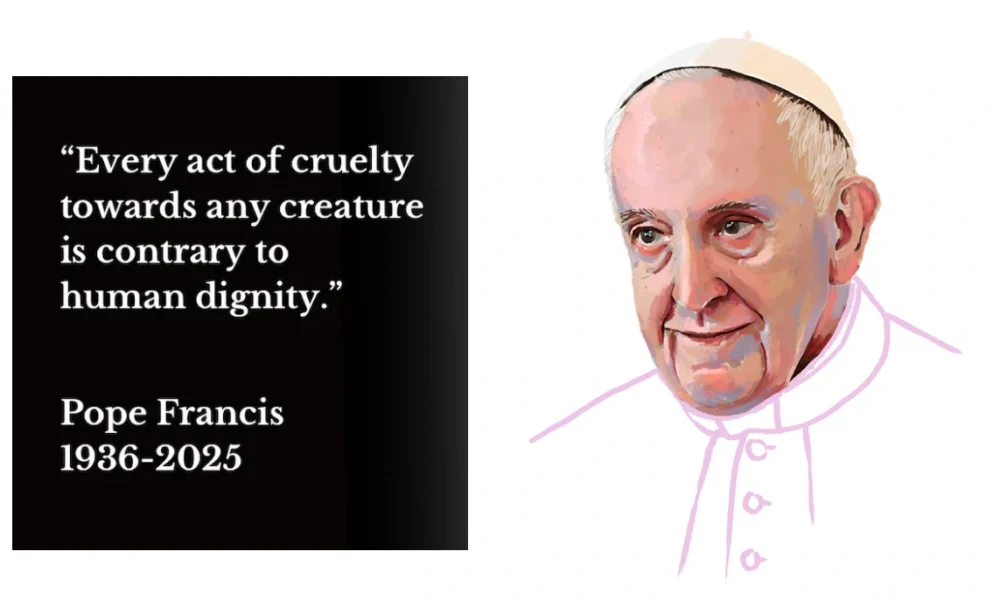
The question of Pope Francis’s personal wealth often surprises people. While the Vatican manages substantial assets, the Pope himself maintains virtually no personal fortune. Pope Francis, born Jorge Mario Bergoglio, has become known worldwide for his commitment to simplicity and service, creating an important distinction between his personal circumstances and the institutional wealth of the Catholic Church.
Table Of Content
- Jorge Mario Bergoglio (Pope Francis)
- Pope Francis’s Personal Financial Situation
- Important Life Events
- Vatican Assets and Institutional Wealth
- 1. Art Collections
- 2. Real Estate Holdings
- 3. Financial Assets
- Financial Management Under Pope Francis
- FAQs
- What are the Pope’s main responsibilities?
- Where does Pope Francis live?
- How is a new Pope selected?
- What languages does Pope Francis speak?
- Can a Pope resign?
- How does Pope Francis maintain his schedule?
- How can people engage with the Pope?
- Conclusion
Understanding the Pope’s financial situation requires separating personal assets from institutional resources. As both the spiritual leader of over 1.3 billion Catholics and the sovereign of Vatican City, Pope Francis holds a unique position where personal and organizational finances operate independently.
Jorge Mario Bergoglio (Pope Francis)
| Aspect | Details |
|---|---|
| Birth Name | Jorge Mario Bergoglio |
| Current Role | 266th Pope of the Roman Catholic Church |
| Election Year | 2013 |
| Origin | Buenos Aires, Argentina (first Pope from the Americas) |
| Personal Wealth | Minimal personal assets; lives without private ownership |
| Social Media | Twitter: @Pontifex, Instagram: @Franciscus |
| Family Background | Eldest of five children in an Italian immigrant family |
| Vocation Status | Celibate (required for papal office) |
Pope Francis’s Personal Financial Situation
Pope Francis maintains virtually no personal wealth. Unlike many global leaders, he does not accumulate private assets or maintain personal bank accounts for individual use. Reports suggesting personal fortunes ranging from hundreds to millions of dollars misunderstand the nature of his position.
The Pope receives no salary in the traditional sense. His basic needs—housing, food, clothing, transportation—are provided by the Vatican as part of his role. He does not own the items he uses daily, nor does he claim ownership of residences, vehicles, or other resources associated with his office.
His lifestyle choices reflect this commitment to simplicity. Rather than residing in the traditional papal apartments within the Apostolic Palace, Pope Francis chose to live in Casa Santa Marta, a Vatican guesthouse with modest accommodations. This decision, made immediately after his election, demonstrates his personal preference for practical living over ceremonial grandeur.
Important Life Events
- 1936: Born in Buenos Aires, Argentina, to Italian immigrant parents
- 1958: Entered the Society of Jesus (Jesuits)
- 1969: Ordained as a priest
- 1992: Appointed Auxiliary Bishop of Buenos Aires
- 1998: Became Archbishop of Buenos Aires
- 2001: Created Cardinal by Pope John Paul II
- 2013: Elected as Pope following the resignation of Pope Benedict XVI
- 2013: Chose to reside in Casa Santa Marta instead of the Apostolic Palace
- 2024: Implemented “zero deficit” financial reform agenda for Vatican operations
Vatican Assets and Institutional Wealth
The Vatican’s financial portfolio differs significantly from papal personal wealth. As an independent city-state and global religious institution, the Vatican manages various asset categories.
1. Art Collections
The Vatican Museums contain one of the world’s most significant art collections. These holdings include Renaissance masterpieces, ancient sculptures, historical manuscripts, and religious artifacts accumulated over centuries. While these items carry enormous cultural and monetary value, they function as preserved heritage rather than liquid assets. The Church treats them as held in trust for humanity, not as sellable commodities.
2. Real Estate Holdings
The Vatican owns property across Rome and internationally. These include churches, administrative buildings, educational institutions, and facilities supporting Catholic missions worldwide. A 2012 assessment valued a portion of these properties at over €680 million, though this represents only a fraction of total real estate holdings. These buildings serve operational purposes rather than functioning as investment properties.
3. Financial Assets
The Institute for the Works of Religion (IOR), commonly called the Vatican Bank, manages the Church’s banking operations. The institution handles accounts for clergy, religious orders, and Catholic organizations. Financial analysts estimate total Vatican assets between $10 billion and $15 billion, though exact figures remain difficult to verify due to the institution’s private nature.
Financial Management Under Pope Francis
Pope Francis has implemented reforms aimed at improving Vatican financial practices. In 2024, he introduced measures requiring balanced budgets and increased accountability in Church financial operations. These changes respond to past challenges, including investment losses and calls for greater transparency.
The Vatican faces ongoing expenses in maintaining historic buildings, supporting global charitable works, funding diocesan operations, and administering an international religious organization. These operational costs consume substantial portions of Vatican revenue, which comes primarily from donations, museum admissions, and investment returns.
FAQs
What are the Pope’s main responsibilities?
The Pope serves as the spiritual leader of the Catholic Church, making decisions on Church doctrine, appointing bishops, leading liturgical celebrations, and providing guidance on faith matters. He also functions as head of state for Vatican City.
Where does Pope Francis live?
Pope Francis resides in Casa Santa Marta, a Vatican guesthouse, rather than the traditional papal apartments in the Apostolic Palace. This residence offers simpler accommodations aligned with his preference for modest living.
How is a new Pope selected?
Cardinals under age 80 gather in the Sistine Chapel for a conclave. Through secret ballot voting, they elect a new Pope by two-thirds majority. White smoke signals the election to the public.
What languages does Pope Francis speak?
Pope Francis communicates in Spanish (his native language), Italian, German, English, Latin, and Portuguese, allowing him to address diverse Catholic communities worldwide.
Can a Pope resign?
Yes. While most Popes serve until death, resignation is possible. Pope Benedict XVI’s 2013 resignation marked the first voluntary papal retirement in nearly 600 years, clearing the way for Pope Francis’s election.
How does Pope Francis maintain his schedule?
Pope Francis typically rises at 4:30 AM for prayer and meditation, celebrates morning Mass, conducts meetings with Church officials, handles administrative matters, and participates in public ceremonies and audiences.
How can people engage with the Pope?
Pope Francis maintains active social media accounts and holds regular public audiences at Vatican City. While direct personal communication is rare, he remains accessible through these public channels.
Conclusion
The apparent contradiction between Vatican wealth and papal simplicity resolves when recognizing that institutional assets serve organizational missions rather than individual benefit. Pope Francis does not own Vatican treasures, properties, or financial holdings. He serves as steward of resources dedicated to religious, charitable, and cultural purposes that extend beyond any individual papacy.
This arrangement reflects Catholic teaching about material goods and service. The Pope’s role emphasizes spiritual leadership and pastoral care rather than personal enrichment, a principle Pope Francis has reinforced through both policy and personal example.