

Roofing and Construction Services | Complete Guide to Materials, Contractors, and Replacement Timing
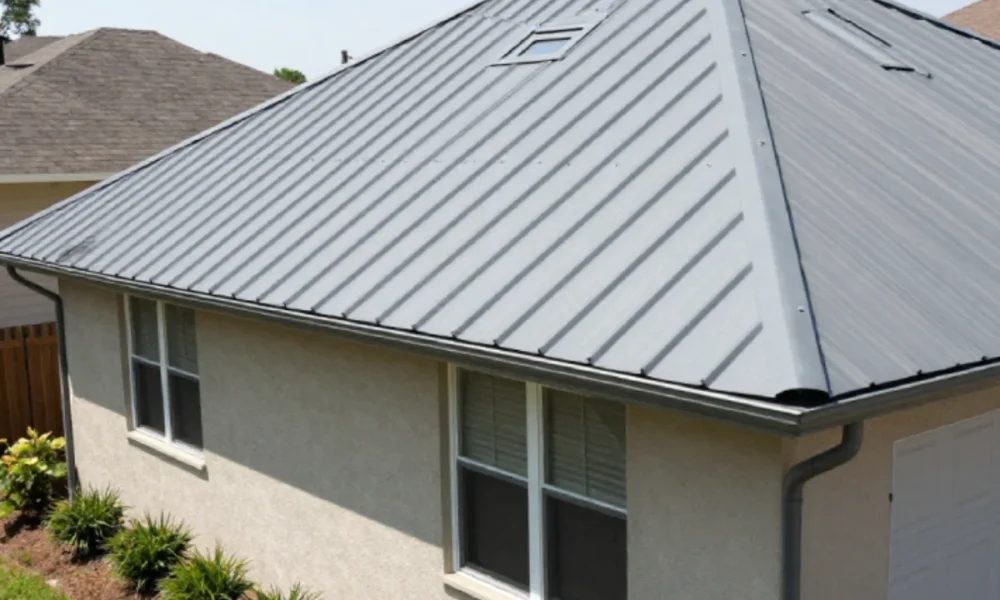
Your roof represents one of your home’s most significant investments. Whether you’re planning a new installation, addressing storm damage, or maintaining an existing system, understanding roofing and construction services helps you make informed decisions that protect your property for decades.
Table Of Content
- Why Professional Roofing Services Matter
- Core Roofing and Construction Services
- New Roof Installation
- Roof Replacement
- Roof Repair
- Preventive Maintenance and Inspections
- Gutter Systems
- Additional Construction Services
- Roofing Material Comparison
- Asphalt Shingles
- Metal Roofing
- Clay and Concrete Tiles
- Slate
- Wood Shakes and Shingles
- Composite and Synthetic Materials
- When Roof Replacement Becomes Necessary
- Age-Related Deterioration
- Widespread Shingle Damage
- Persistent Leaks
- Sagging or Structural Issues
- Excessive Granule Loss
- Moss, Algae, or Vegetation Growth
- Failed Flashing
- Rising Energy Costs
- Selecting a Qualified Roofing Contractor
- Licensing and Registration
- Insurance Requirements
- Manufacturer Certifications
- Experience and Track Record
- Clear Communication and Documentation
- Workmanship Warranties
- Red Flags to Avoid
- The Roof Installation Process
- Initial Consultation and Inspection
- Material Selection
- Project Preparation
- Removal and Deck Inspection
- Installation
- Final Inspection and Cleanup
- Cost Factors and Budgeting
- Protecting Your Investment
- Conclusion
This guide covers everything from material selection and contractor qualifications to recognizing when repairs become necessary—giving you the knowledge to choose the right solutions for your home.
Why Professional Roofing Services Matter
A properly installed roof does more than keep rain out. It regulates your home’s temperature, prevents moisture damage, protects structural integrity, and contributes significantly to property value. Poor installation or deferred maintenance can lead to water intrusion, mold growth, increased energy costs, and even structural failure.
Professional roofing contractors bring expertise in building codes, material selection, ventilation requirements, and weatherproofing techniques that DIY approaches cannot match. Their work determines whether your roof lasts 15 years or 50.
Core Roofing and Construction Services
Professional roofing companies offer specialized services that address different needs throughout your roof’s lifecycle.
New Roof Installation
Complete roof installation involves more than laying shingles. Contractors assess structural support requirements, install proper underlayment and ventilation systems, apply ice and water barriers in vulnerable areas, and ensure flashing around chimneys, vents, and skylights creates waterproof seals. The installation process typically requires 1-3 days for residential projects, depending on size and complexity.
Roof Replacement
When your roof reaches the end of its lifespan or sustains severe damage, full replacement becomes necessary. This process includes removing old materials down to the roof deck, inspecting and repairing damaged decking or structural components, installing new underlayment and ventilation, and applying your selected roofing material according to manufacturer specifications.
Most asphalt shingle roofs last 20-25 years. Metal roofs can exceed 50 years. If your roof is approaching these thresholds and showing multiple warning signs, replacement often costs less long-term than repeated repairs.
Roof Repair
Professional repairs address specific issues before they escalate. Common repair work includes replacing damaged or missing shingles, fixing leaks around penetrations, repairing or replacing flashing, addressing ventilation problems, and fixing minor storm damage. Early intervention prevents small problems from requiring expensive replacements.
Preventive Maintenance and Inspections
Regular maintenance extends roof lifespan significantly. Professional inspections should occur twice annually—especially after winter and before storm season. Contractors check for loose or damaged shingles, inspect flashing and sealants, clear debris from gutters and valleys, examine attic ventilation, and identify potential issues before they cause damage.
Gutter Systems
Proper drainage protects both your roof and foundation. Roofing contractors install seamless gutters, repair damaged sections, install gutter guards to reduce maintenance, and ensure downspouts direct water away from your home’s foundation.
Additional Construction Services
Many roofing contractors offer complementary services including siding installation and repair, window and door installation, deck and porch construction, and attic insulation improvements. These services integrate with roofing work to provide complete exterior protection.
Roofing Material Comparison
Material selection affects appearance, cost, durability, and maintenance requirements. Here’s what you need to know about the most common options.
Asphalt Shingles
Asphalt shingles dominate residential roofing due to affordability and versatility. Three-tab shingles cost $3-5 per square foot installed and last 15-20 years. Architectural shingles run $4-7 per square foot and last 25-30 years. Designer or luxury shingles range from $7-12 per square foot with lifespans up to 50 years.
Advantages include wide color selection, straightforward installation, and easy repairs. Disadvantages include shorter lifespan than alternatives, vulnerability to high winds without proper installation, and granule loss over time that reduces UV protection.
Metal Roofing
Metal roofs come in standing seam, metal shingles, and corrugated panels. Costs range from $7-15 per square foot installed. Steel and aluminum are most common, while copper represents premium options.
Metal roofs last 40-70 years, reflect solar heat to reduce cooling costs, resist fire and extreme weather, and require minimal maintenance. They cost more upfront than asphalt but often outlast two or three asphalt roof replacements.
Clay and Concrete Tiles
Tile roofing excels in hot climates. Clay tiles cost $10-18 per square foot installed, while concrete tiles run $8-15 per square foot. Both can last 50-100 years with proper maintenance.
Tiles provide excellent insulation, resist fire and rot, and offer distinctive appearance. However, their weight requires strong roof framing, individual tiles can crack under impact, and repairs need specialized expertise.
Slate
Natural slate represents the premium roofing option. Costs range from $15-30 per square foot installed. Properly maintained slate roofs can last over 100 years.
Slate offers unmatched durability, fire resistance, and timeless beauty. Drawbacks include extreme weight requiring structural reinforcement, high material and installation costs, and the need for specialized contractors.
Wood Shakes and Shingles
Cedar shakes provide natural, rustic appearance. Costs run $6-12 per square foot installed with lifespans of 20-30 years when properly maintained.
Wood offers natural insulation and distinctive character but requires regular maintenance, has higher fire risk without treatment, and may not meet building codes in fire-prone areas.
Composite and Synthetic Materials
Composite roofing mimics slate, wood, or tile appearance at lower cost and weight. Prices range from $7-12 per square foot with lifespans of 30-50 years. These products resist insects, rot, and fire while weighing similarly to asphalt shingles.
When Roof Replacement Becomes Necessary
Recognizing warning signs helps you address problems before they cause serious damage.
Age-Related Deterioration
If your asphalt shingle roof is 15-20 years old, schedule annual inspections. Metal and tile roofs last longer but still require periodic assessment. Consider replacement when approaching your roofing material’s expected lifespan, especially if showing other warning signs.
Widespread Shingle Damage
Individual damaged shingles warrant repair. Replacement becomes necessary when you observe curling or buckling across large sections, cracked shingles in multiple areas, missing shingles after storms, or bare spots where granules have worn away. These conditions indicate the roofing system has reached the end of its effective life.
Persistent Leaks
A single leak might require simple repair. Multiple leaks in different locations, recurring leaks after repairs, water stains on ceilings or walls, or visible daylight through the roof boards signal systemic failure requiring replacement.
Sagging or Structural Issues
Any sagging roofline demands immediate professional inspection. This indicates potential structural damage to decking or rafters. Soft spots when walking on the roof (contractors only should walk on roofs) suggest rotted decking underneath.
Excessive Granule Loss
Asphalt shingles lose some granules naturally over time. However, heavy accumulation in gutters, bare patches on shingles, or uneven coloring across the roof surface indicates advanced deterioration. Without granules, shingles cannot protect against UV damage.
Moss, Algae, or Vegetation Growth
While algae creates cosmetic dark streaks, moss retains moisture against your roof surface. This trapped moisture can work under shingles and cause rot. On older roofs, persistent moss growth often signals it’s time for replacement rather than just cleaning.
Failed Flashing
Flashing around chimneys, vents, and valleys creates waterproof seals. Rust, cracks, missing pieces, or separated caulk lines allow water infiltration. If flashing failures appear in multiple locations, full replacement may be more economical than piecemeal repairs.
Rising Energy Costs
Worn roofing loses its ability to reflect heat and maintain proper attic temperature. If your heating and cooling bills have increased noticeably without other explanation, your roof may be allowing heat transfer that forces HVAC systems to work harder.
The 30% rule provides useful guidance: if damage or deterioration affects more than 30% of your roof area, replacement typically makes more financial sense than extensive repairs.
Selecting a Qualified Roofing Contractor
Your contractor choice determines whether your roof performs as expected for decades or requires premature replacement.
Licensing and Registration
Requirements vary by state and municipality. Verify your contractor holds all required licenses for your area. You can typically check license status through state contractor licensing boards or local building departments. Confirm the license is current and check for disciplinary actions.
Insurance Requirements
Never hire a contractor without proper insurance. Verify they carry general liability insurance (typically $1-2 million minimum coverage), workers’ compensation insurance for all employees, and vehicle insurance for company vehicles. Request a current certificate of insurance and confirm coverage directly with the insurance provider.
Without proper insurance, you could be held liable for injuries on your property or damage caused during work.
Manufacturer Certifications
Major manufacturers including GAF, Owens Corning, and CertainTeed offer certification programs that verify contractor training and quality standards.
GAF Master Elite contractors represent the top 3% of roofing contractors. They must meet stringent insurance requirements, maintain positive customer reviews, and complete extensive training. They can offer enhanced warranties including the Golden Pledge Limited Warranty.
Owens Corning Platinum Preferred Contractors undergo installation inspections and maintain stellar customer satisfaction records. They offer extended workmanship warranties and lifetime product defect coverage on qualifying systems.
CertainTeed SELECT ShingleMaster contractors complete specialized training and meet quality standards that enable them to offer enhanced warranty coverage.
These certifications aren’t just marketing badges—they require ongoing training, quality verification, and adequate insurance coverage. Certified contractors can also offer manufacturer-backed warranties that protect your investment even if the contractor goes out of business.
Experience and Track Record
Look for contractors with at least 5-10 years of local experience. Review their portfolio of completed projects similar to yours. Check ratings on Google, Better Business Bureau, and specialty platforms like GuildQuality. Look for consistent 4+ star ratings and read both positive and negative reviews to understand how they handle problems.
Clear Communication and Documentation
Professional contractors provide detailed written estimates breaking down materials, labor, and timeline. They explain your options clearly, answer questions thoroughly, and document everything in writing. They should conduct thorough inspections before quoting and provide photo or video documentation of roof conditions.
Workmanship Warranties
Beyond manufacturer warranties on materials, reputable contractors offer workmanship warranties covering installation quality. Look for minimum 5-10 year workmanship guarantees in writing. Understand what’s covered and who stands behind the warranty.
Red Flags to Avoid
Be cautious of contractors who require large upfront deposits (reputable contractors typically require minimal or no deposit), use high-pressure sales tactics or create false urgency, cannot provide proof of insurance or licensing, offer prices significantly below other quotes, or lack local references or permanent business addresses.
The Roof Installation Process
Understanding what to expect helps you prepare and ensures quality work.
Initial Consultation and Inspection
Your contractor conducts a thorough roof inspection, discusses your goals and concerns, explains material options and their costs, and provides a detailed written estimate. This process should never feel rushed.
Material Selection
Choose materials based on your climate, architectural style, budget, and maintenance preferences. Your contractor should explain the tradeoffs between options and help you select appropriate colors and styles.
Project Preparation
Before work begins, contractors protect landscaping, vehicles, and outdoor items. They set up safety equipment and dumpsters or tarps for debris. Interior preparation might include covering attic contents if dust infiltration is possible.
Removal and Deck Inspection
For replacements, old materials are removed down to the roof deck. Contractors inspect decking for rot, damage, or weakness and make necessary repairs. This step cannot be skipped—damaged decking compromises your entire new roof.
Installation
Proper installation follows specific sequences: underlayment installation with ice and water barriers in valleys and eaves, drip edge installation, shingle or other material installation following manufacturer specifications, flashing installation around all penetrations and transitions, ridge cap installation, and final cleanup. Quality contractors follow manufacturer installation requirements precisely to ensure warranty validity.
Final Inspection and Cleanup
After installation, your contractor conducts a final walkthrough with you, provides warranty documentation, ensures the site is thoroughly cleaned, and removes all debris and materials. Magnetic sweepers collect loose nails from your property.
Cost Factors and Budgeting
Roof replacement represents a significant investment. Understanding cost factors helps you budget appropriately.
Average costs for a 2,000 square foot home range from $8,000-15,000 for asphalt shingles, $14,000-28,000 for metal roofing, $20,000-40,000 for tile, and $30,000-60,000 for slate. These ranges include materials and labor.
Factors affecting cost include material selection, roof size and complexity, pitch or slope (steeper roofs cost more), number of penetrations and valleys, local labor rates, and removal of existing materials.
Many contractors offer financing options to spread costs over time. Some energy-efficient materials may qualify for tax credits or utility rebates.
Protecting Your Investment
Once your new roof is installed, protect your investment through regular maintenance.
Schedule professional inspections twice annually. Keep gutters clean and debris-free. Trim overhanging tree branches that can damage shingles or trap moisture. Address small issues immediately before they grow. Ensure proper attic ventilation to prevent heat and moisture buildup.
Conclusion
Quality roofing and construction services protect your most valuable asset. Whether you need repairs, maintenance, or complete replacement, understanding your options, recognizing warning signs, and selecting qualified contractors ensures your roof performs reliably for decades.
Don’t wait for small problems to become major damage. If your roof shows any warning signs discussed here, schedule a professional inspection. Reputable contractors provide honest assessments and clear explanations to help you make informed decisions.
Your home deserves proper protection from a roof installed correctly the first time. Take the time to research materials, verify contractor credentials, and understand the process before committing to any roofing project.