

Satellite Installation Guide: TV Viewing Options and Services for UK Homes in 2026
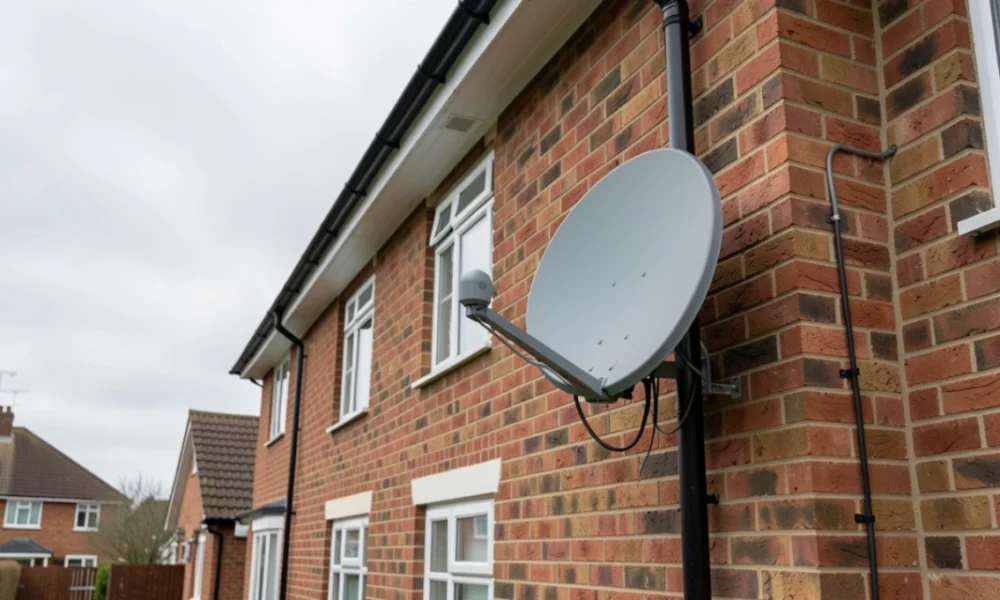
Television reception in the UK offers multiple pathways, each with distinct advantages. Satellite TV installation remains one of the most reliable methods for accessing broadcast content, particularly in areas where terrestrial signals struggle or streaming infrastructure lags behind.
Table Of Content
- Understanding UK Satellite TV Systems
- Sky vs Freesat: Understanding Your Options
- Installation Process and Requirements
- Installation Costs and Considerations
- Planning Permission and Regulations
- Viewing Options Beyond Traditional Satellite
- Equipment Selection and Compatibility
- The Changing Future of UK Satellite Television
- Maintenance and Troubleshooting
- Combining Services for Comprehensive Coverage
- Making Your Decision
For UK households, satellite services deliver consistent reception across all regions, overcoming the geographical limitations that affect other platforms. This makes them particularly valuable in rural locations, Scottish Highlands, Welsh valleys, and coastal areas where terrain blocks traditional aerials.
This guide examines satellite installation processes, service options, costs, and the changing television landscape as streaming platforms reshape how UK viewers access content.
Understanding UK Satellite TV Systems
Satellite TV systems receive signals from orbital satellites positioned at 28.2°E and 28.5°E above the equator. The primary satellites serving the UK are Astra 2E, Astra 2F, and Astra 2G, alongside Eutelsat 28A, all broadcasting from the same orbital slot.
A standard installation consists of an outdoor dish, typically 45cm (Zone 1) in southern England or 60cm (Zone 2) in northern regions and Scotland, connected via coaxial cable to a set-top box or satellite-enabled television. The dish captures signals and reflects them to a Low Noise Block (LNB) converter, which processes the signal for your receiver.
Sky vs Freesat: Understanding Your Options
The UK satellite television market centres on two main platforms sharing the same satellite infrastructure but offering different business models.
Sky operates as a subscription service requiring monthly payments. Sky Q boxes provide recording capabilities, multi-room viewing, and access to premium content, including sports, cinema channels, and exclusive programming. Sky Stream, launched as an internet-based alternative, removes the dish requirement entirely but maintains subscription fees.
Freesat offers subscription-free access to over 170 TV channels and 30 radio stations through a one-time equipment purchase. Managed by Everyone TV (a partnership between BBC, ITV, Channel 4, and Channel 5), Freesat delivers free-to-air content including all major UK broadcasters in standard and high definition.
Both services use identical dish installations. If you currently have Sky equipment, switching to Freesat requires only a receiver box change – the existing dish and cabling remain functional.
Installation Process and Requirements
Professional installation typically follows these stages:
- Site Survey: Engineers assess signal visibility towards the south-southeastern sky (the direction of satellites at 28.2°E). Obstructions like buildings, trees, or hills affect reception quality.
- Dish Mounting: Installers fix the dish to an external wall, chimney, or pole mount using weatherproof brackets. Proper positioning ensures optimal signal strength and weather resilience.
- Alignment: Precise adjustment of dish elevation and azimuth angles locks onto the satellite signal. Receivers display signal strength and quality readings during this process.
- Cable Installation: RG6 or similar coaxial cable connects the dish LNB to your indoor receiver. Modern wideband LNB installations support multiple receivers without additional cabling.
Average installation time ranges from 2 to 6 hours, depending on property access, cable routing complexity, and multi-room requirements. Many UK companies offer same-day service when booked before midday.
Installation Costs and Considerations
Satellite dish installation in the UK averages £150 for standard single-room setups. Costs vary based on several factors:
- Property height and access requirements
- Number of rooms receiving the signal
- Cable length and routing complexity
- Dish size (larger dishes for marginal signal areas)
- Additional equipment (splitters, amplifiers)
Freesat installation represents a one-time cost with no subsequent fees beyond the TV licence. Sky installations often include discounted or free fitting as part of subscription packages, though contract terms typically extend 18-24 months.
Planning Permission and Regulations
The General Permitted Development Order (GPDO) 2015 permits satellite dish installation on most UK homes without planning permission, subject to conditions:
Standard Permissions:
- Maximum two dishes per property
- Dish diameter not exceeding 1 metre
- Chimney-mounted dishes are limited to 0.6 metres
- Dishes must minimise visual impact
Planning Permission Required:
- Conservation areas (front-facing installations)
- Listed buildings (Listed Building Consent needed)
- Buildings exceeding 15 metres in height
- Properties with Article 4 Directions
Leaseholders and flat residents require landlord or management company approval before installation. Properties with restrictive covenants or new-build conditions may face additional limitations.
Viewing Options Beyond Traditional Satellite
The UK television landscape has expanded significantly beyond conventional satellite services.
Freeview provides terrestrial digital television through rooftop aerials, offering 70+ channels without subscription. Coverage reaches 98% of UK households, though signal quality varies by location.
Freely launched in 2024 as an internet-delivered replacement for traditional broadcast platforms. Backed by major UK broadcasters, Freely streams live channels over broadband connections, requiring no aerial or dish. Compatible smart TVs and set-top boxes eliminate physical infrastructure dependencies.
Sky Stream and Virgin TV Stream deliver subscription content via internet connections, combining live channels with on-demand libraries and streaming app integration.
Equipment Selection and Compatibility
Choosing appropriate equipment depends on your viewing priorities and budget.
Freesat Receivers range from basic non-recording boxes (£50-100) to 4K recordable models with 1TB storage (£200-300). Recording boxes allow simultaneous recording of multiple channels while watching live television or stored content.
Sky Q Equipment remains the property of Sky during subscriptions. Upon cancellation, boxes continue receiving free-to-view channels but lose recording functionality and access to premium content.
European Satellite Systems require specialized dishes and receivers for accessing international channels from Hotbird (13°E) or Astra 1 (19.2°E) satellites. Motorised dishes enable reception from multiple satellites, though installation complexity and costs increase substantially.
The Changing Future of UK Satellite Television
Satellite broadcasting faces an uncertain future beyond 2029. The Astra satellites currently serving UK television are approaching end-of-life, and broadcasters have not committed to replacement infrastructure.
Sky has pivoted towards internet-based Sky Stream and Sky Glass services, encouraging subscribers to abandon satellite reception. Freesat continues operations but faces the same infrastructure questions affecting all satellite platforms.
Everyone TV positions itself as the long-term successor to both Freeview and Freesat. As terrestrial and satellite infrastructure ages, internet-delivered television represents the probable future for UK broadcasting.
However, satellite TV maintains advantages in reliability and coverage. Unlike broadband-dependent services, satellite reception continues during internet outages. For the estimated 2 million UK homes lacking adequate broadband, satellite remains the most practical option for accessing comprehensive television services.
Maintenance and Troubleshooting
Satellite systems require minimal maintenance but benefit from periodic checks:
- Weather Impact: Heavy snow accumulation or ice on the dish surface blocks signals. Gently clearing snow restores reception, though most weather conditions cause only brief interruptions.
- Physical Alignment: Strong winds may shift dish position over time. If signal quality deteriorates, professional realignment typically resolves issues.
- Cable Condition: Coaxial cables degrade with age and weather exposure. Corrosion at connection points or cable damage requires replacement for optimal performance.
- LNB Lifespan: LNBs typically last 5-10 years before failure. Replacement costs £20-50 plus labour when professionally installed.
Combining Services for Comprehensive Coverage
Many households combine multiple platforms to maximize content access and resilience.
A typical setup might include:
- Freesat or Sky for reliable live television and recording
- Streaming subscriptions (Netflix, Disney+) for on-demand content
- Freely or Freeview as backup during satellite service issues
This approach provides content diversity while maintaining service continuity if one platform experiences technical problems.
Making Your Decision
Satellite installation suits UK households seeking:
- Reliable reception in areas with poor terrestrial coverage
- Access to 170+ free channels without monthly fees
- Recording and time-shifting capabilities
- Independence from broadband reliability
- Multi-room viewing from a single dish
For those with consistent broadband exceeding 25Mbps, internet-based alternatives like Freely offer simpler installation without external equipment. Urban residents with strong terrestrial signals may find Freeview adequate for their needs.
Evaluate your location, budget, viewing habits, and internet connectivity when selecting the right approach. Many UK households successfully use satellite television for primary viewing while maintaining streaming subscriptions for supplementary content.
The television landscape continues shifting towards internet delivery, but satellite technology remains a proven, reliable solution for millions of UK viewers who prioritize comprehensive channel access and service consistency over the latest platform trends.