

Solo Travel Guide: Tips, Destinations & Real Advice for Your First Trip
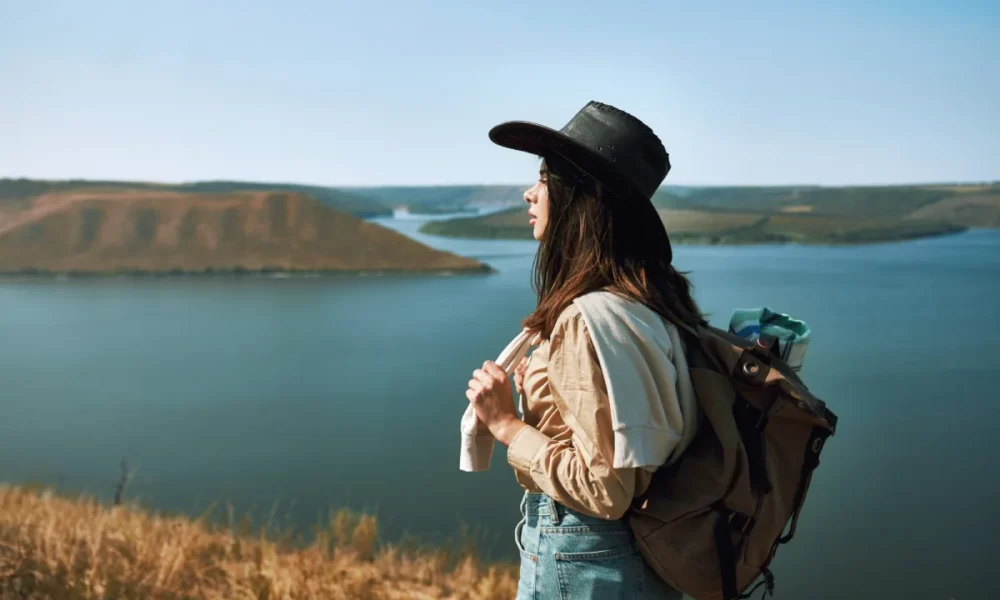
That moment when your plane lifts off, and you realize the next chapter is entirely yours to write? Unmatched. Solo travel isn’t about lonely room service while doom-scrolling—it’s about crafting experiences on your own terms.
Table Of Content
- Why Solo Travel Hits Different
- Pros & Cons Without the Sugar Coating
- The Pros
- The Cons
- Destination Playbook: Where to Start
- For First-Timers
- For Seasoned Wanderers
- Safety Moves That Work
- Making Connections
- Solo Dining Strategies
- When Things Go Wrong
- Packing Essentials
- Managing Money
- Pre-Trip Financial Setup
- On-the-Ground Savings
- Conclusion
I’ve navigated Tokyo subway systems at 3 AM, haggled in Marrakech markets until shopkeepers invited me home for tea, and accidentally crashed a Brazilian wedding where I somehow ended up giving a toast. This guide covers what actually matters when you travel alone—from handling logistics to making the most of complete freedom.
Why Solo Travel Hits Different
Solo travel lets you follow your actual interests. Want to spend four hours in that obscure museum everyone else would skip? Order dessert for breakfast? Change cities on a whim? No compromises necessary. You’ll discover what genuinely excites you when nobody’s questioning your choices. The freedom to pivot your entire itinerary based on mood or opportunity becomes normal.
Solo travelers often have more organic interactions than groups. Locals invite you to family dinners. Hostel crews adopt you for impromptu adventures. That couple asks you to snap their photo, then invites you along for the day. You’re approachable in ways that tight-knit travel groups aren’t. Traveling alone signals openness to connection, which tends to create it.
Missed trains become stories. Language barriers turn into improv games. You’ll handle foreign pharmacies, spot potential scams, and navigate confusing transportation systems. These experiences build confidence that carries over when you’re home. Nothing reveals what you’re capable of like solving problems thousands of miles from your comfort zone.
Pros & Cons Without the Sugar Coating
The Pros
That interesting side street? Explore it. That extra day in Lisbon? Take it. No group coordination, no waiting for someone who’s always running late. You’re doing exactly what you want, when you want it. No tourist-trap restaurants because everyone else voted for it. No skipping the art gallery you actually care about. Getting lost during a monsoon in a country where you don’t speak the language forces you to figure things out. Fast.
The Cons
You need heightened situational awareness. Some neighborhoods aren’t worth visiting after dark. Pickpockets target distracted tourists. You’re handling risk assessment alone. Timer selfies get old. Your photos will require asking strangers for help regularly. Constant choices—where to eat, which route to take, museum or beach—can mentally drain you by day three.
| Solo Travel Element | The Upside | The Real Talk |
|---|---|---|
| Dining Alone | Freedom to eat whatever, whenever | Occasional awkwardness, especially at dinner |
| Meeting People | More organic connections | Takes more initial effort than traveling with companions |
| Logistics | Everything happens on your schedule | You handle every detail yourself |
| Finances | Complete control of spending | No splitting costs for rooms or transportation |
| Experiences | Tailor every moment to your interests | No one to immediately share moments with |
Balance solo days with group activities. Book a street food tour for midday human connection, then spend sunset alone however you like.
Destination Playbook: Where to Start
For First-Timers
- Lisbon, Portugal: Walkable, English-friendly, with affordable wine and an active solo traveler scene. The hilly streets reveal viewpoints worth lingering at, while the laid-back atmosphere makes striking up conversations easy.
- Tokyo, Japan: One of the safest major cities for solo travelers, with comprehensive infrastructure and transportation you can rely on. Dining alone is culturally normal here, which removes the awkwardness factor entirely.
- Medellín, Colombia: Consistent weather year-round, a thriving digital nomad community, and enough infrastructure for comfort without losing character. The city’s transformation gives you natural conversation starters with locals.
For Seasoned Wanderers
- Georgia (the country): Sulfur baths in Tbilisi, affordable feasts with free-flowing wine, and mountain villages straight from storybooks. The tourism scene is developed enough for comfort without feeling overrun.
- Oman: Desert camping under remarkably clear stars, wadis (desert oases) for swimming, and strong hospitality traditions. You get the safety and infrastructure without the over-commercialization of neighboring countries.
- Kyoto’s Philosopher’s Path: Cherry blossoms and solo contemplation combine well here. This walking path connects temples through landscapes designed for quiet reflection.
Consider avoiding over-touristed backpacker areas if you want authentic experiences. Places packed with other travelers can feel like an extended hostel stay rather than actual travel.
Safety Moves That Work
- Research local styles before packing. Athletic wear acceptable in one city might mark you as a tourist in another.
- That obvious map-checking stance on street corners signals vulnerability. Duck into shops or cafes to reorient yourself instead.
- Move like you’re headed somewhere specific, even when you’re lost. Hesitation and confusion attract unwanted attention.
Airlines do lose bags. Tracking devices help you locate them faster. Pick one trusted contact for daily check-ins. This is a practical precaution, not paranoia. Google Translate’s camera function, turning foreign menus into readable text, saves you repeatedly. Download offline language packs before you go.
Making Connections
Book a private room, but spend time in common areas. You get solitude plus instant access to other travelers. Cooking classes in Italy, surfing lessons in Portugal, or pottery workshops in Japan. Shared activities create bonds that often outlast the trip. Animal shelters, beach cleanups, and English conversation practice. You’ll meet people who care about something beyond the next party.
“Where’d you get that necklace/bag/whatever?” People enjoy telling purchase stories, and it’s more specific than “where are you from?”
“What’s the weirdest thing you’ve eaten here?” More interesting than generic restaurant recommendations.
“Could you take my photo?” Then offer to take theirs—instant connection established.
Solo Dining Strategies
Chat with bartenders who often share samples, recommendations, and local information you won’t find in guidebooks. Istanbul’s meze stalls, Tokyo’s standing sushi bars, and Mexico City’s taquerias offer excellent food without formality. Lunch as your main meal means better deals, more relaxed service, and fewer couples that can make solo diners feel conspicuous. Bring a physical journal. Writing makes solo dining look intentional and contemplative—plus you’re recording memories you’ll appreciate later.
When Things Go Wrong
Save it offline AND write it on paper. Phones die, get stolen, or swim in toilets at inconvenient moments. Hide $100 USD in crisp bills somewhere other than your wallet. When ATMs fail or cards get compromised, cash still works. That taxi driver is giving off strange vibes. That overly friendly stranger? If something feels wrong, remove yourself from the situation. Your safety is worth the cost.
File the police report for insurance, then find comfort food. Most possessions are replaceable—your well-being isn’t. Hotels often have doctors on call even for non-guests. The consultation fee usually beats navigating a foreign emergency room.
Packing Essentials
Cobblestone streets, broken elevators, and crowded trains make wheels a liability more often than you’d expect. Comfortable walking shoes, flip-flops for questionable showers, and one pair that makes you feel confident. A doorstop alarm costs around $10 and blocks unwanted entry while alerting you to disturbances. Worth it for sketchy accommodations.
Seven outfits from remixable basics plus one statement piece that photographs well and starts conversations. A multi-purpose scarf serves as: a blanket on cold flights, a head covering for religious sites, a picnic mat, a fashion accessory, and an emergency towel. Pack one.
Managing Money
Pre-Trip Financial Setup
Set up alerts for mistake fares and flash sales that can save significant money. Carry one main credit card and one backup stored separately. Choose cards with no foreign transaction fees—these charges add up. Notify your bank of travel dates and download their app. Frozen cards from “suspicious” international purchases kill momentum.
On-the-Ground Savings
Usually $10-15 in most countries, compared to expensive roaming charges from your home carrier. The alternate budget stays with occasional splurges. Three nights of basics earn you one night of comfort. Weekly MetroCards almost always save money over per-ride tickets, even if you don’t use them every single day.
Conclusion
Solo travel isn’t about isolation—it’s about choosing when and how to connect. Some days you’ll crave deep conversations with strangers. Others, you’ll want to eat gelato in silence while people-watching from a park bench. Both are valid.
The shift happens when you stop seeing “solo” as a default status (no partner available, no friends free) and start treating it as access to exactly the experience you want. Those midnight swims, chance encounters, and “did I really just do that?” moments become your personal highlight reel—the stories you’ll tell for years.
Where will your first solo trip take you? The logistics are manageable. The experiences are worth it. And you’re more capable than you think.