

Stanley Justin Rott: His Role in the Clear Lake Murders Case
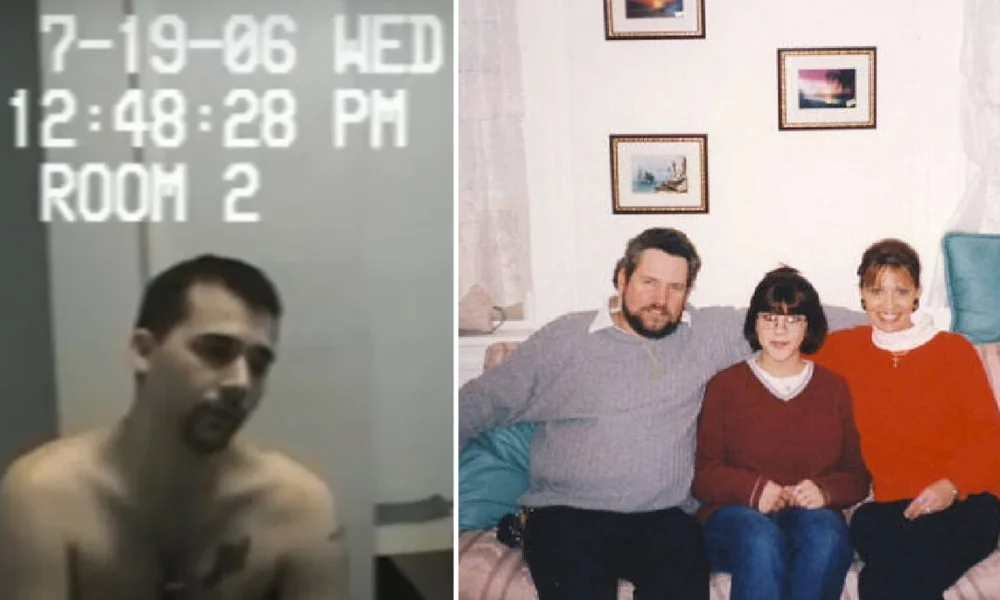
The Clear Lake murders remain one of Texas’s most well-known criminal cases. On July 18, 2003, four young people were shot and killed in a suburban home in Clear Lake City, leaving the Houston community devastated and investigators with few leads. The case went unsolved for nearly three years until an unexpected witness came forward: Stanley Justin Rott, the husband of one of the convicted killers, Christine Paolilla.
Table Of Content
Rott’s decision to testify about his wife’s confession helped prosecutors solve the cold case and bring the perpetrators to justice. His involvement raises questions about moral responsibility, the complexities of personal relationships, and the unpredictable ways people become entangled in criminal investigations.
What happened on July 18, 2003?
The murders occurred in a suburban home in Clear Lake City, Texas. That day, Rachael Koloroutis, Tiffany Rowell, Marcus Precella, and Adelbert Sanchez were shot multiple times in a brutal attack that initially baffled investigators.
The crime scene showed signs of extreme violence. All four victims had been shot multiple times. With no immediate suspects and limited evidence, the case went cold for nearly three years. The lack of leads frustrated law enforcement and left the victims’ families without answers.
In 2004, Stanley Justin Rott met Christine Paolilla at a rehab center in Texas. They married in March 2005. At that time, Rott had no idea his wife had been involved in the 2003 killings. He wasn’t living in Houston when the murders happened and had no connection to the case.
Christine Paolilla’s Confession to Rott
In late 2005, Christine Paolilla confessed to her husband that she had participated in the shootings alongside Christopher Snider. She told Rott that after initially shooting the victims, she went back inside when she realized Rachael Koloroutis was still alive.
According to Rott’s later testimony, Paolilla told him, “She cried while I hit her.” This disturbing detail would later become part of the prosecution’s case against her.
Rott faced a difficult decision: whether to report what his wife had told him to the authorities. His eventual choice to come forward helped reopen the investigation and led to arrests.
Rott’s Role in the Investigation and Trial
Law enforcement received an anonymous tip about Christine Paolilla’s involvement, prompting them to reexamine the cold case. Rott cooperated with authorities and provided detailed testimony about his wife’s confession.
His statements helped prosecutors build their case against Paolilla. When her trial began on January 8, 2008, Rott testified against his wife, describing what she had told him about the murders.
During court proceedings, defense attorneys questioned Rott’s credibility and motivations. Some viewed him as someone who made a difficult moral choice to help solve a brutal crime. Others questioned why he didn’t come forward immediately after learning about his wife’s involvement.
Despite the scrutiny, his testimony contributed significantly to the prosecution’s case. Paolilla was convicted on four counts of capital murder. Because she was 17 at the time of the crime, she received a life sentence rather than the death penalty, which is prohibited for juveniles under U.S. Supreme Court rulings.
How did the news report it?
Media coverage of Rott’s involvement varied widely. Some outlets portrayed him as an unwitting victim drawn into his wife’s criminal past. Others speculated about whether he knew more than he initially revealed.
Public reaction was similarly divided. Some people sympathized with his position, recognizing the difficulty of turning in a spouse. Others believed he should have contacted authorities immediately after learning about the murders.
The case raised questions about how media coverage shapes public perception of individuals connected to high-profile crimes, particularly when their involvement is indirect or unexpected.
Legal and Personal Aftermath for Stanley Justin Rott
Following the trial, the 27-year-old Rott was living with friends and attending recovery meetings as part of a 12-step program. He remained legally married to Paolilla but planned to divorce her.
Rott explained that his recovery program emphasized making amends and doing the right thing, which motivated him to tell authorities everything he knew about the murders. However, carrying the burden of his wife’s confession took a severe emotional toll. He experienced nightmares and ongoing distress.
“When she mentioned it to me, it was so overwhelming. I couldn’t believe she was the person I married,” Rott said. “I was in denial.”
When police arrested Christine Paolilla in July 2006, they found the couple together in a San Antonio hotel room. Authorities discovered approximately 70 vials of heroin and drug paraphernalia, revealing the depth of their addiction.
Rott admitted they were spending roughly $10,000 on drugs monthly, funded by Paolilla’s inheritance from her father’s construction accident death. Their shared addiction had spiraled out of control by the time of the arrest.
Timeline of the Clear Lake Murders Case
2003
July 18, 2003
- Four young people (Rachael Koloroutis, Tiffany Rowell, Marcus Precella, and Adelbert Sanchez) were shot and killed in a Clear Lake City, Texas home
- All victims were shot multiple times in a brutal attack
- Crime scene baffled investigators with limited evidence and no immediate suspects
Late 2003 – Early 2004
- Case went cold due to lack of leads
- Investigators had few clues pointing to the perpetrators
2004
2004
- Stanley Justin Rott met Christine Paolilla at a rehab center in Texas
- Rott had no knowledge of Paolilla’s involvement in the 2003 murders
- Rott was not living in Houston at the time of the killings
2005
March 2005
- Stanley Justin Rott and Christine Paolilla married
Late 2005
- Paolilla confessed to Rott about her role in the murders
- She revealed she participated in the shootings with Christopher Snider
- Paolilla admitted to going back inside to strike Rachael Koloroutis after seeing she was still alive
- Rott faced the difficult decision of whether to report his wife to authorities
Late 2005 – 2006
- Rott and Paolilla were living in a San Antonio hotel room
- Both struggled with severe drug addiction, spending approximately $10,000 monthly on heroin
2006
July 2006
- Police arrested Christine Paolilla in a San Antonio hotel
- Stanley Justin Rott was found with her at the time of arrest
- Authorities discovered approximately 70 vials of heroin and drug paraphernalia in their hotel room
- Rott cooperated with law enforcement and provided detailed testimony about Paolilla’s confession
- Case was officially reopened following anonymous tip and Rott’s cooperation
2008
January 8, 2008
- Christine Paolilla’s trial began
During Trial (2008)
- Stanley Justin Rott, age 27, testified against his wife
- He described Paolilla’s confession and disturbing details about the murders
- Defense attorneys questioned Rott’s credibility and motivations
- Public and media reactions were mixed regarding Rott’s decision to come forward
Trial Conclusion (2008)
- Paolilla was convicted on four counts of capital murder
- She received a life sentence (death penalty not applicable as she was 17 at time of crime)
- Rott was living with friends and attending recovery meetings as part of a 12-step program
- He remained legally married to Paolilla but planned to file for divorce
Conclusion
Stanley Justin Rott’s unexpected role in solving the Clear Lake murders highlights how ordinary people can become central figures in extraordinary circumstances. His decision to testify against his wife helped prosecutors resolve a three-year-old cold case and bring closure to the victims’ families.
His story reveals the complexity of moral choices, the weight of doing what’s right despite personal cost, and the unpredictable ways people become involved in criminal justice. While Rott’s name may not be as widely recognized as others connected to the case, his testimony was an essential piece in securing justice for Rachael Koloroutis, Tiffany Rowell, Marcus Precella, and Adelbert Sanchez.