

How to Start T-Shirt Printing Business in 2026 (Step-by-Step Guide)
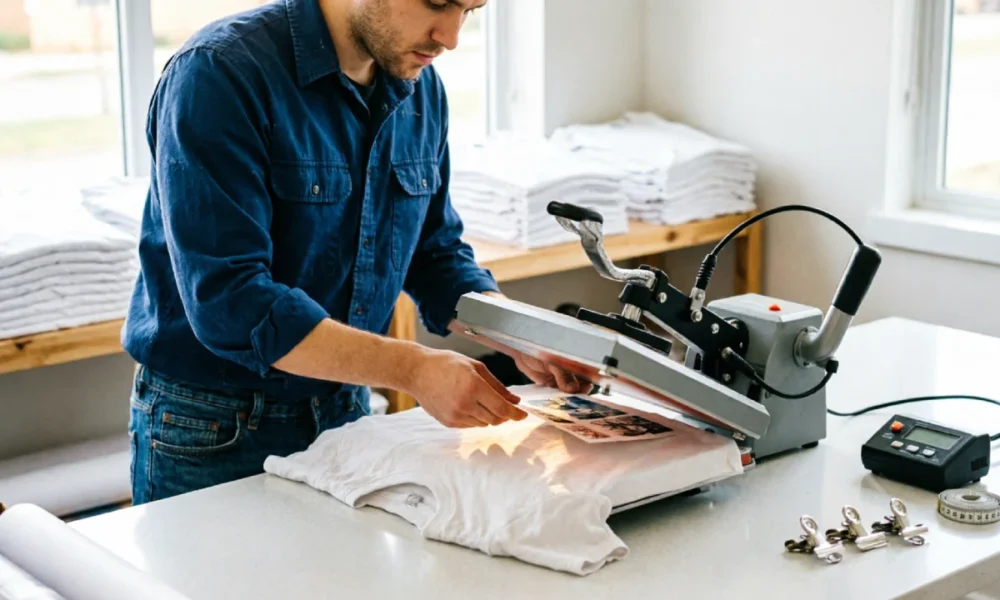
If you want to start t-shirt printing business that actually sells, you’re entering an industry that stays busy year after year because demand never really stops. Custom apparel works for events, businesses, hobby groups, and personal expression alike. The catch is that broad, generic designs rarely sell well anymore. A focused niche, such as designs for a specific sport, profession, or cause, gives you a clearer path to customers who are already searching for something like what you make.
Table Of Content
- Defining Your Target Audience and Creating a Buyer Persona
- Building a Unique Brand Identity for Your T-Shirt Business
- Crafting a Lean Business Plan with Clear Goals and Budget
- Estimating Startup Costs, Recurring Expenses, and Funding Options
- Choosing the Right Business Model: Print-on-Demand, Bulk, or Hybrid
- Creating Original T-Shirt Designs That Sell
- Selecting Fabrics, Blank T-Shirts, and Quality Materials
- Comparing T-Shirt Printing Methods and Choosing the Best Fit
- Sourcing Equipment, Printing Partners, and Wholesale Suppliers
- Pricing Your T-Shirts for Maximum Profit and Competitiveness
- Setting Up Your Online Store and Multichannel Sales Presence
- Optimizing Product Pages with High-Converting Photos and SEO
- Marketing Your T-Shirt Business on a Beginner Budget
- Growing Through Social Media, Influencers, and Email Campaigns
- Managing Production, Inventory, Fulfillment, and Shipping
- Delivering Excellent Customer Service and Handling Returns
- Launching, Tracking Performance, and Scaling Your Business
- Overcoming Common T-Shirt Business Challenges and Pitfalls
- Learning from Real-Life Success Stories and Inspiration
- Frequently Asked Questions About Starting a T-Shirt Printing Business
- How much money do I need to start?
- Which printing method is best for beginners?
- How long does it take to become profitable?
- Do I need a business license?
Defining Your Target Audience and Creating a Buyer Persona
Once you settle on a niche, write down who your typical buyer actually is. Note their age range, interests, spending habits, and where they shop online. This persona guides your design choices, your pricing, and even the tone of your marketing copy later on.
Building a Unique Brand Identity for Your T-Shirt Business
Your brand is more than a logo. It includes your name, color palette, packaging, and the voice you use in captions and product descriptions. Consistency across all of these builds recognition and trust, which matters more than most new sellers expect.
Crafting a Lean Business Plan with Clear Goals and Budget
A short business plan keeps you honest. Write down your first-year sales target, your marketing budget, and the milestones you want to hit each quarter. It doesn’t need to be long, but it should be specific enough to check your progress against.
Estimating Startup Costs, Recurring Expenses, and Funding Options
Startup costs vary widely depending on your model. Print-on-demand sellers can start with almost no upfront cost, while bulk printers need money for blanks, ink, and equipment. Factor in recurring costs too, such as hosting fees, packaging, and software subscriptions. If you need funding, options include personal savings, small business loans, or early sales from a soft launch.
Choosing the Right Business Model: Print-on-Demand, Bulk, or Hybrid
Print-on-demand removes inventory risk since shirts are printed only after a sale. Bulk printing lowers your per-unit cost but ties up cash in stock. Many sellers land on a hybrid approach: bulk printing their best-selling designs and using print-on-demand for new or untested ones.
Creating Original T-Shirt Designs That Sell
Good designs solve a problem or capture a feeling your audience already has. Study what sells in your niche, then create something that feels fresh rather than copied. If you’re not a designer, hiring a freelancer for a handful of strong designs is often worth the cost.
Selecting Fabrics, Blank T-Shirts, and Quality Materials
Fabric choice affects comfort, print quality, and price point. Ring-spun cotton feels premium and holds prints well. Cotton-polyester blends cost less and resist shrinking. Test a few blank suppliers before committing, since fit and fabric weight differ more than most people assume.
Comparing T-Shirt Printing Methods and Choosing the Best Fit
Screen printing suits large orders of the same design and keeps unit costs low. Direct-to-garment printing handles detailed, colorful designs in small runs without setup costs. Heat transfer vinyl works well for simple designs and short runs. Match the method to your order volume and design complexity.
Sourcing Equipment, Printing Partners, and Wholesale Suppliers
If you print in-house, research equipment costs and the learning curve before buying. Many beginners instead partner with a local print shop or an online fulfillment service, which removes the need for equipment altogether. Compare a few wholesale blank suppliers on price, minimum order size, and shipping times.
Pricing Your T-Shirts for Maximum Profit and Competitiveness
Add up your material cost, printing cost, platform fees, and shipping, then apply a markup that still looks fair to your buyer. Check competitor pricing in your niche so you don’t price yourself out of the market or leave money on the table.
Setting Up Your Online Store and Multichannel Sales Presence
A dedicated online store gives you full control over branding and customer data. Platforms like Shopify or Etsy get you selling faster with less setup. Many successful sellers list on more than one channel at once to reach different types of shoppers.
Optimizing Product Pages with High-Converting Photos and SEO
Clear, well-lit photos on real models build more trust than flat product shots alone. Write product titles and descriptions using the terms your audience actually searches for. Small details like accurate sizing charts and honest fabric descriptions cut down on returns too.
Marketing Your T-Shirt Business on a Beginner Budget
You don’t need a large budget to get started. Organic social posts, community engagement, and word of mouth can carry early sales. As revenue grows, small paid ad tests help you find which platforms and audiences respond best to your designs.
Growing Through Social Media, Influencers, and Email Campaigns
Instagram and TikTok work well for apparel because the products are visual by nature. Micro-influencers in your niche often deliver better returns than larger accounts, since their followers tend to trust their recommendations. An email list, even a small one, keeps past buyers coming back for new drops.
Managing Production, Inventory, Fulfillment, and Shipping
Track inventory closely if you hold stock, since running out during a popular launch costs you sales. Set clear turnaround times for orders and communicate them upfront. Reliable shipping partners and accurate tracking reduce customer complaints significantly.
Delivering Excellent Customer Service and Handling Returns
Quick, friendly responses to questions and complaints build repeat customers. Have a clear return and exchange policy posted where buyers can find it easily. Handling a sizing issue or printing defect gracefully often turns a frustrated buyer into a loyal one.
Launching, Tracking Performance, and Scaling Your Business
Launch with a small collection rather than dozens of designs at once, so you can gauge demand without overcommitting. Track which designs and channels perform best, then put more resources behind what’s already working. Reinvest early profits into better equipment, more inventory, or wider marketing reach.
Overcoming Common T-Shirt Business Challenges and Pitfalls
New sellers often struggle with thin margins, slow shipping times, and design fatigue. Avoiding overproduction, staying realistic about turnaround times, and refreshing your designs regularly all help you sidestep the mistakes that sink many first attempts.
Learning from Real-Life Success Stories and Inspiration
Many well-known apparel brands started with a single design and a small following before growing into full operations. Their common thread is usually a clear niche, consistent branding, and patience during the slow early months.
Frequently Asked Questions About Starting a T-Shirt Printing Business
How much money do I need to start?
Print-on-demand sellers can start with under $100, while bulk printing usually needs a few hundred to a few thousand dollars depending on order size.
Which printing method is best for beginners?
Print-on-demand or direct-to-garment printing suits beginners best since neither requires large upfront orders or expensive equipment.
How long does it take to become profitable?
Most sellers see meaningful profit within six months to a year, depending on marketing effort and niche demand.
Do I need a business license?
Requirements vary by location, so check your local regulations before selling at scale.