

Starting a Lawn Care Business: A Step-by-Step Operational Guide
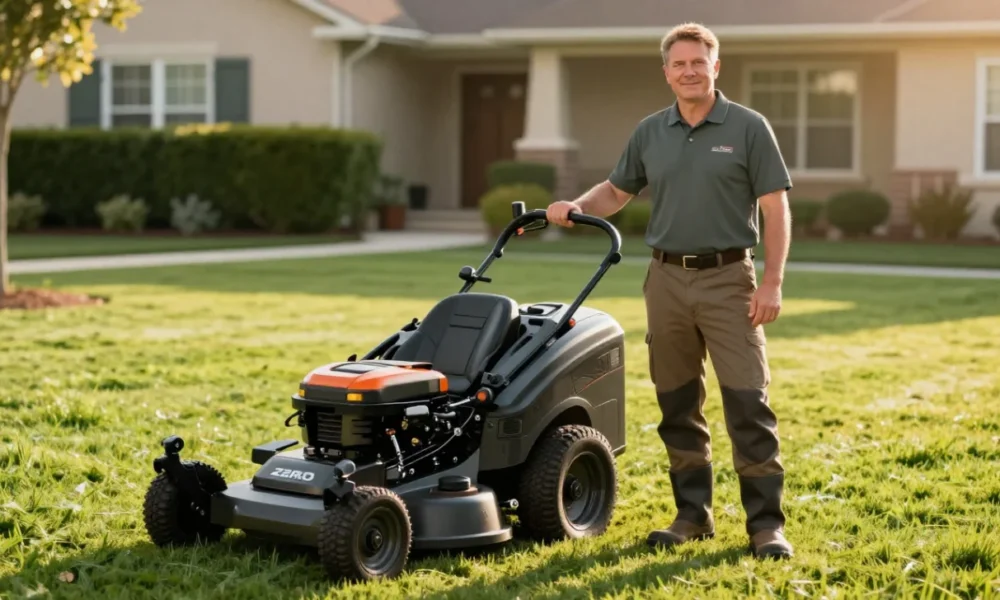
The lawn care and landscaping sector represents a stable service industry with relatively low barriers to entry. For individuals considering entrepreneurship, a lawn care business offers a path to self-employment with the potential for steady, recurring revenue. Success in this field depends less on a passion for gardening and more on systematic planning, operational discipline, and a clear understanding of local market dynamics.
Table Of Content
- Defining Your Business Structure and Services
- Choosing a Business Entity
- Defining Your Service Portfolio
- Securing Licenses, Insurance, and Legal Compliance
- Business Registration and Permits
- Insurance Requirements
- Acquiring Essential Equipment
- Core Equipment List
- Maintenance Considerations
- Developing a Pricing Model
- Calculating Your Costs
- Common Pricing Strategies
- Marketing and Customer Acquisition
- Building a Digital Foundation
- Local and Traditional Methods
- Managing Customer Relationships
- Conclusion
This guide provides a structured overview of the fundamental steps required to launch and sustain a professional lawn care operation, from initial planning and legal registration to customer acquisition and financial management.
Defining Your Business Structure and Services
Before performing any yard work, the operational framework of the business must be established. This phase involves making critical decisions that affect liability, taxation, and the scope of daily activities.
Choosing a Business Entity
The legal structure you choose determines personal liability and tax obligations. Common options for small service businesses include:
- Sole Proprietorship: The simplest structure, where the owner is personally responsible for all debts and liabilities.
- Limited Liability Company (LLC): Provides a separation between personal and business assets, protecting personal property from business-related lawsuits or debts. This is a standard choice for service providers.
- Corporation: A more complex structure typically suited for businesses with multiple employees and higher risk profiles.
Consulting with a local accountant or business attorney is recommended to select the appropriate structure for your specific situation.
Defining Your Service Portfolio
New businesses often benefit from starting with a core set of services before expanding. Common residential service offerings include:
- Lawn Mowing and Trimming: The foundational service, usually provided on a weekly or bi-weekly schedule.
- Edging and Blow-Off: Creating clean lines along sidewalks and driveways, followed by debris removal.
- Leaf Removal: Seasonal work that can be billed per service or as part of a maintenance contract.
- Basic Landscape Maintenance: Weeding, pruning shrubs, and mulching garden beds.
Adding services like fertilization, aeration, or pesticide application requires specific licensing and certifications in most jurisdictions and should be researched separately.
Securing Licenses, Insurance, and Legal Compliance
Operating a service business without proper registration and protection creates significant financial risk. Compliance must be secured before acquiring customers.
Business Registration and Permits
- Register Your Business Name: File for a “Doing Business As” (DBA) or register your legal entity name with the appropriate state or local agency.
- Obtain an Employer Identification Number (EIN): Issued by the IRS, this is necessary for opening business bank accounts and hiring employees.
- Check Local Zoning Laws: Verify that operating a commercial business from your home address is permitted. Some residential areas have restrictions on vehicle storage or commercial activity.
- Sales Tax Permit: If your state requires sales tax on services, register with the state revenue department to collect and remit taxes legally.
Insurance Requirements
Insurance protects the business assets and the client’s property. Standard policies for lawn care operations include:
- General Liability Insurance: Covers property damage or bodily injury caused to a third party (e.g., accidentally breaking a client’s window).
- Commercial Auto Insurance: Personal auto policies typically do not cover accidents that occur while driving for commercial purposes.
- Worker’s Compensation Insurance: Legally required in most states once you hire employees, covering medical costs and lost wages for work-related injuries.
Acquiring Essential Equipment
The scale of equipment purchased should match the scope of services offered. It is operationally efficient to start with reliable, commercial-grade tools rather than consumer models, as they endure daily use.
Core Equipment List
- Lawn Mower: A commercial walk-behind mower with a wide cutting deck increases efficiency. For larger properties, a riding mower or zero-turn mower may be necessary.
- String Trimmer (Weed Eater): Used for edging along fences, trees, and structures.
- Leaf Blower: A backpack blower is generally preferred for its power and mobility over handheld units.
- Hand Tools: Includes pruning shears, hedge clippers, rakes, and shovels.
- Trailer and Vehicle: A sturdy trailer is required to transport equipment safely and legally.
Maintenance Considerations
Equipment represents a significant capital investment. Implement a routine maintenance schedule for oil changes, blade sharpening, and air filter cleaning to prevent breakdowns during the workweek and extend the life of the machinery.
Developing a Pricing Model
Pricing must cover costs, generate profit, and remain competitive within the local market. Underpricing is a common mistake that leads to unsustainable operations.
Calculating Your Costs
To determine a profitable rate, calculate the true cost of providing the service:
- Direct Costs: Labor, fuel, equipment maintenance.
- Indirect Costs (Overhead): Insurance, vehicle payments, marketing expenses, and equipment depreciation.
- Profit Margin: The percentage added to the total cost to sustain and grow the business.
Common Pricing Strategies
- Per-Visit Pricing: A flat rate charged each time a service is performed. Suitable for one-time cleanups or irregular work.
- Seasonal or Monthly Contracts: A recurring fee for scheduled services (e.g., weekly mowing). This model provides predictable cash flow and customer retention.
- Per-Square-Foot Pricing: Occasionally used for larger properties, though flat-rate project bids are more common in residential work.
Research the rates of established local competitors to ensure your pricing aligns with market expectations while still covering your calculated costs.
Marketing and Customer Acquisition
Attracting the first clients requires visibility within the target service area. Marketing for a local service business relies on a combination of digital presence and direct community engagement.
Building a Digital Foundation
- Google Business Profile: Create and verify a free profile. This is often the first point of contact for local customers searching for lawn care services. Complete all information fields, add photos of your work, and encourage reviews.
- Simple Website or Landing Page: A basic site outlining services, service area, and contact information establishes legitimacy.
- Social Media Presence: Platforms like Facebook or Instagram are useful for showcasing “before and after” photos of completed projects and engaging with local community groups.
Local and Traditional Methods
- Door-to-Door Outreach: Distributing flyers or door hangers in neighborhoods with well-maintained lawns can generate initial leads.
- Vehicle Signage: A professionally magnetized or wrapped truck and trailer serves as a mobile advertisement.
- Referral Program: Offering a discount or credit to existing customers who refer new clients incentivizes word-of-mouth growth.
Managing Customer Relationships
Once work is secured, clear communication defines professionalism. Provide written estimates, confirm appointment times, and establish a clear payment schedule. Following up after a service to confirm satisfaction can prevent minor issues from becoming negative reviews.
Conclusion
Launching a lawn care business requires a methodical approach that prioritizes legal compliance, financial planning, and operational consistency. By establishing a proper business structure, securing adequate insurance, investing in reliable equipment, and pricing services sustainably, a new operator can build a foundation for a stable enterprise. The focus should remain on delivering the agreed-upon service reliably and managing client relationships professionally, as these factors drive the retention and referrals necessary for long-term growth.