

Steel Soffit Panels: Pros, Cons, Cost, and What to Know Before You Buy
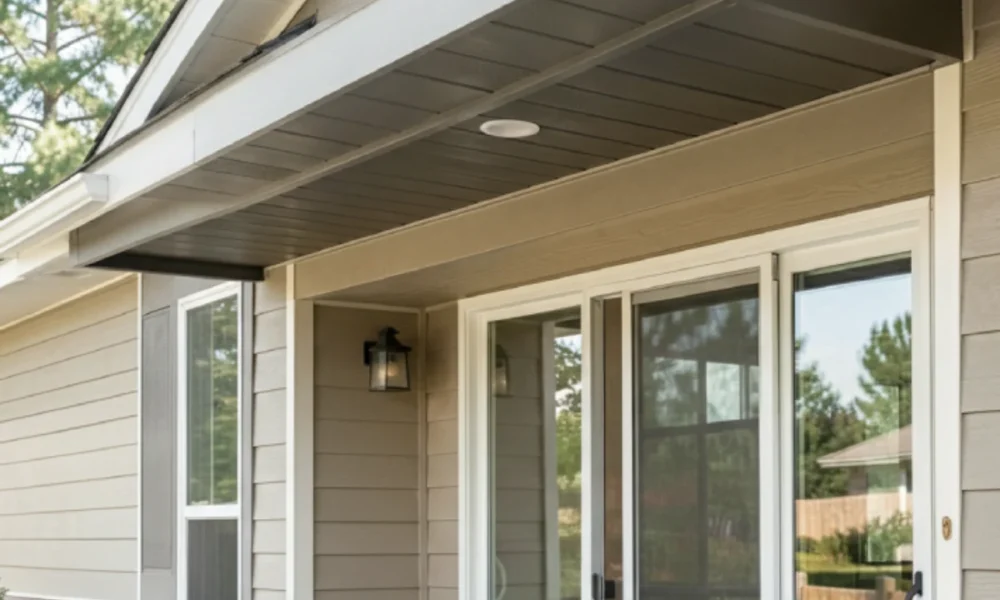
Steel soffit panels offer long-term durability and minimal upkeep, but they come with higher upfront costs and specific installation requirements that aren’t right for every project. This guide covers what steel soffit actually is, how it performs, what it costs, and how it stacks up against aluminum and vinyl — so you can make a well-informed decision before purchasing.
Table Of Content
- What Are Steel Soffit Panels?
- Advantages of Steel Soffit Panels
- Weather and Impact Resistance
- Fire Resistance
- Low Maintenance and Warranty Coverage
- Design Flexibility
- Ventilation Options
- Sustainability
- Disadvantages of Steel Soffit Panels
- Higher Upfront Material Cost
- Thermal Conductivity
- Corrosion Risk at Damaged Coating Areas
- Longer Lead Times
- Professional Installation Required
- Steel vs. Aluminum vs. Vinyl: A Direct Comparison
- Where Steel Soffit Makes the Most Sense
- Frequently Asked Questions
What Are Steel Soffit Panels?
A soffit is the finished surface that covers the underside of a roof overhang, connecting the eave to the exterior wall of a building. Without it, the rafters are left exposed, creating an open entry point for moisture, pests, birds, and debris.
Steel soffit panels are heavy-gauge panels — typically 24-gauge steel, with 22-gauge available for added strength — that fill this space while providing weather protection and a clean finished look. They can be installed horizontally or vertically and are custom-cut to length, with panels available from 3 feet up to 35 feet depending on the project.
Steel soffit systems use a concealed fastening flange that hides hardware from view and allows installation over both open framing and solid decking. The standard painted option features baked-on enamel over primer and a Galvalume coating (a combination of zinc and aluminum). An unpainted Galvalume option is also available, consisting of 45% zinc and 55% aluminum with a clear acrylic overcoat.
Advantages of Steel Soffit Panels
Weather and Impact Resistance
Steel is one of the most structurally capable soffit materials available. It can withstand heavy snow loads, high winds, hail, and the kind of mechanical stress — scrapes, impacts — that would crack or warp lighter materials. This makes it a preferred choice in regions with severe weather, particularly where vinyl or fiber cement soffits tend to fail prematurely.
Fire Resistance
Steel is a non-combustible material, which gives it a meaningful advantage in fire-prone areas. Unlike vinyl, which melts and emits toxic smoke, or wood, which contributes to fire spread, steel holds its structural form under high heat. For homes in wildfire-risk zones or commercial buildings with strict fire codes — including those governed by the International Building Code (IBC) — steel is often the appropriate choice.
Low Maintenance and Warranty Coverage
Steel soffit panels carry a 40-year paint warranty and a 30-year fade and chalk warranty for painted finishes. The unpainted Galvalume option carries a 25-year warranty. Under normal conditions, steel soffits do not require repainting, regular sealing, or pest treatment. This is a direct contrast to wood soffits, which require periodic painting and are vulnerable to rot and insect damage.
Design Flexibility
Steel soffits are available in a wide range of colors — including smooth, textured, and wood-grain finishes — allowing them to coordinate with most exterior styles. Wood-grain options, such as T-8 Plankwall profiles, are particularly useful when the goal is a natural aesthetic without the maintenance demands of real wood. Panels can also be used beyond eaves: they’re suitable for porch ceilings, column undersides, stairway soffits, and interior applications in commercial builds.
Ventilation Options
Steel soffit panels are available in vented and non-vented profiles. Vented panels include vent strips — rows of perforations or slots — that allow air to circulate through the attic, reducing heat buildup and controlling moisture. Manufacturers can produce panels with either single-pass or double-pass vent configurations depending on the ventilation requirements of the structure. In buildings without unconditioned attics, solid (non-vented) panels are the standard choice.
Sustainability
Steel contains recycled content and is fully recyclable at the end of its service life. For projects pursuing green building certifications or aiming to reduce construction waste, this is a practical consideration.
Disadvantages of Steel Soffit Panels
Higher Upfront Material Cost
Steel soffit panels typically cost between $2.00 and $4.00 per square foot for material when steel market conditions are stable. Concealed fastener systems, such as T-Groove or flush panel profiles, tend to fall at the higher end of this range and also require more trim pieces, which increases total project cost. By comparison, vinyl soffit can cost significantly less per square foot — though it won’t match steel’s lifespan or strength.
Steel prices are subject to market fluctuation. The steel shortage of 2021–2023 pushed prices well above historical ranges, and anyone budgeting for a project should verify current pricing directly with a supplier rather than relying on published averages.
Thermal Conductivity
Steel conducts heat more readily than vinyl or wood. Without adequate attic insulation and ventilation, steel soffits can contribute to heat transfer between the attic and living spaces. This is manageable with proper thermal design, but it’s a factor to account for during planning — especially in climates with extreme summer temperatures.
Corrosion Risk at Damaged Coating Areas
The Galvalume and enamel coatings on steel soffit panels provide strong corrosion protection, but any area where the coating is scratched or compromised can become susceptible to rust. Exposed edges, cut ends, and any field-modified sections need prompt touch-ups with compatible paint or sealant. This is a routine maintenance task, but one that vinyl and aluminum do not require in the same way.
Longer Lead Times
Steel soffit panels are manufactured to custom lengths and specifications, which means lead times are longer than for off-the-shelf vinyl or standard aluminum soffit rolls. For projects with tight timelines, this is worth factoring into the schedule early.
Professional Installation Required
Steel soffit installation is more technically demanding than vinyl. Concealed fastener systems require precision cutting, proper flashing coordination, and experience with metal panel work. Errors in fitting can affect both function and appearance. Most manufacturers and suppliers recommend professional installation, particularly for larger or more complex projects.
Steel vs. Aluminum vs. Vinyl: A Direct Comparison
Steel and aluminum are both non-combustible, require minimal maintenance, and outperform vinyl significantly in structural strength. Aluminum has the edge in corrosion resistance and is easier to cut and shape on-site. Steel’s advantage is in load-bearing strength and impact resistance, which is why it accounts for over 95% of soffit installations on metal buildings.
Vinyl remains the most commonly used soffit material in standard residential construction due to its low cost and easy installation, but it is not comparable to steel in durability, especially in high-wind or wildfire-risk areas.
Where Steel Soffit Makes the Most Sense
Steel is best suited to projects where long-term performance, fire resistance, or structural strength takes priority over minimizing upfront spend. Specific situations where steel is the appropriate choice include:
- Commercial buildings and metal building construction
- Homes in wildfire-prone regions
- Areas with frequent hail, high winds, or heavy snow
- Projects where the soffit will be exposed to physical impact
- Contemporary or industrial architectural styles where a clean metal finish suits the design
For standard residential builds in mild climates, aluminum soffit often provides a comparable result at lower cost and with easier installation. Steel is the stronger material but the higher total cost — including installation labor — means it’s most justified where durability is genuinely required.
Frequently Asked Questions
How long do steel soffits last? Steel soffit panels carry a 40-year paint warranty and a 30-year fade and chalk warranty. With proper maintenance of any damaged coating areas, steel soffits can remain functional for 50 years or longer.
Can steel soffits be painted? Yes. Steel soffits can be field-painted to match an updated exterior color. Factory-applied baked enamel finishes typically outlast field-applied paint, so any repainting should use high-quality metal-compatible coatings.
Do steel soffits need to be vented? Not always. Vented panels are used where the soffit covers an unconditioned attic space that requires airflow to prevent moisture and heat buildup. Metal buildings with insulation at the roofline typically use solid, non-vented panels. Your project’s ventilation requirements should be confirmed with a contractor or building engineer.
Are steel soffits worth the extra cost? For projects in demanding climates, commercial construction, or fire-risk areas, the longer lifespan and lower maintenance costs tend to justify the higher initial price. For low-risk residential applications, aluminum or vinyl may be more cost-effective.
What gauge steel is used for soffits? 24-gauge is standard. 22-gauge offers greater panel stiffness and impact resistance but is less widely available and comes in a more limited color range.