

2026 Guide: Strategic Home Improvements That Actually Increase Property Value
In a real estate market where homeowners are increasingly choosing to renovate rather than relocate, understanding which projects deliver the best return on investment (ROI) is critical. With the median age of owner-occupied homes now at 41 years, many properties require strategic updates to meet modern buyer expectations . Whether you are preparing to sell or building long-term equity, the key isprioritizing high-impact improvements that balance cost, market trends, and resale value. This guide focuses on the data-driven renovations proven to increase property value in 2026.
Table Of Content
- Understanding the 2026 Home Improvement Landscape
- High-ROI Home Improvements for 2026
- Prioritizing Curb Appeal and Exterior updates
- Kitchen Upgrades: Focus on a Minor Remodel
- Bathroom Renovations: Creating a Spa-Like Feel
- Enhancing Function and Space
- Energy Efficiency and Integrated Retrofits
- How to Prioritize Your Home Repairs
- Step 1: Assess Your Home’s Condition
- Step 2: Create a Budget Based on ROI
- Step 3: Focus on High-Impact, Cosmetic Updates
- Step 4: Time Your Projects
- Conclusion: Building Value Through Strategy
Understanding the 2026 Home Improvement Landscape
Before starting any project, it’s essential to understand current market dynamics. High interest rates have created a “rate-lock” effect, leading many homeowners to invest in their current properties rather than move . This has resulted in strong home equity gains, giving owners the capital for larger projects. However, economic uncertainties mean consumers are more cost-conscious, often opting for smaller, high-return projects over gut renovations .
The key takeaway is that strategic, minor remodels often outperform major overhauls in terms of ROI. A minor kitchen remodel, for example, can recoup significantly more of its cost than a luxury upscale renovation .
High-ROI Home Improvements for 2026
Prioritizing Curb Appeal and Exterior updates
First impressions are formed before a buyer steps through the door. Exterior upgrades dominate the list of projects with the highest cost recovery, as they dramatically enhance a home’s perceived value from the street .
- Garage Door Replacement: This remains one of the most cost-effective upgrades. It can recoup an astonishing 268% of its cost at resale, instantly modernizing the home’s façade. A new, insulated door also adds a layer of energy efficiency.
- Entry Door Replacement (Steel): Replacing an old front door with a new steel door offers an excellent return, recovering an average of 216% of its cost . Buyers value the improved security, energy efficiency, and low maintenance.
- Manufactured Stone Veneer: Adding stone veneer to the front of your house can recover over 200% of the investment . This upgrade significantly boosts curb appeal by adding texture and a high-end look.
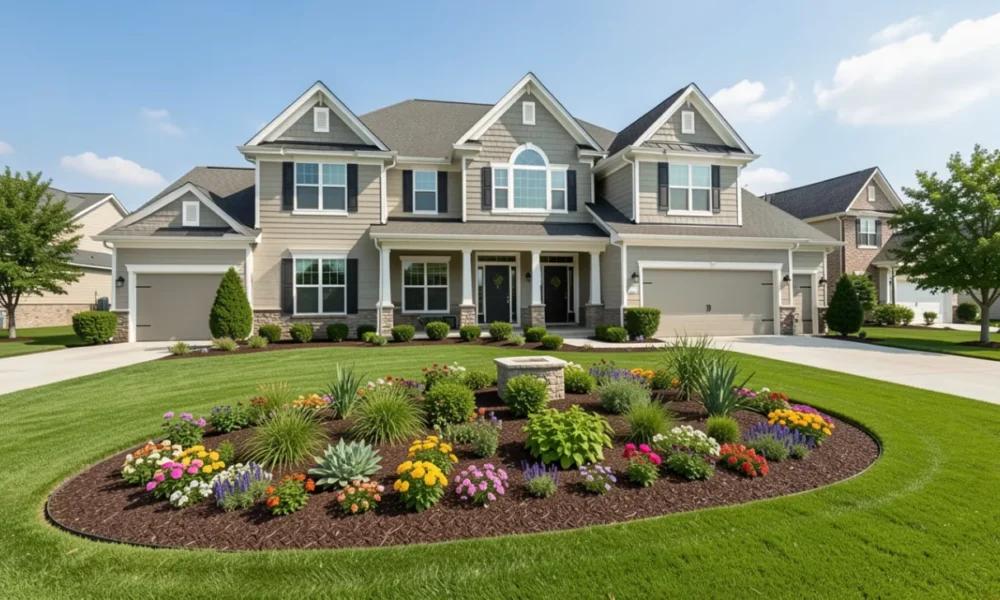
- Basic Landscaping and Maintenance: You don’t need a full redesign. Simple actions like power washing the driveway and siding, adding fresh mulch, planting seasonal flowers, trimming hedges, and ensuring the lawn is healthy create an inviting atmosphere for a relatively low cost .
- Small Details Matter: Believe it or not, replacing a dented mailbox and updating old house numbers with modern ones signals to buyers that the home has been well cared for down to the smallest detail .
Kitchen Upgrades: Focus on a Minor Remodel
While the kitchen remains the “heart of the home,” a full-scale, high-end renovation is often not the best financial move before selling. Instead, data from 2025 shows that a minor, midrange kitchen remodel yields the highest return .
- The ROI of a Minor Remodel: According to the 2025 Cost vs. Value Report, a minor remodel of a 200-square-foot kitchen—which includes replacing cabinet fronts, countertops, and appliances—recoups about 113% of its cost at resale . In contrast, a major upscale renovation typically recovers only about 51% .
- What a Minor Remodel Includes: Focus on keeping the existing layout to save on plumbing and structural costs. Key updates include:
- Replacing dated cabinet fronts and hardware.
- Installing new, energy-efficient, mid-range appliances.
- Updating countertops with durable materials like quartz or granite .
- Adding a modern tile backsplash and updating fixtures.
- The 5-15% Rule: A good rule of thumb is to keep your kitchen renovation budget between 5% and 15% of your home’s total value to avoid over-improving for the neighborhood .
Bathroom Renovations: Creating a Spa-Like Feel
Modernized bathrooms are consistently cited by real estate agents as a top factor in selling a home. Buyers are looking for a clean, functional, and relaxing space, but like kitchens, a full gut job isn’t always necessary.
- Targeted ROI: A midrange bathroom remodel can recoup about 60-75% of its cost, while a full luxury spa renovation may only see a 50-60% return, though it can command a premium in high-end markets .
- High-Impact, Low-Cost Updates:
- Fixtures: Swap out old faucets, showerheads, nd drawer pulls for a cohesive, modern look with finishes like brushed nickel or matte black .
- Vanity and Lighting: Replace a dated vanity and install new lighting with dimmers to create a more modern and functional space .
- Tile Refresh: Instead of a full re-tile, consider professional cleaning and regrouting. If replacing, choose neutral, modern tiles for floors and showers
- Water Efficiency: Installing water-efficient toilets and faucets is an attractive feature for environmentally conscious buyers .
Enhancing Function and Space
Today’s buyers prioritize functionality. You can add significant value by making your existing square footage work harder.
- Finished Basement: Converting an unfinished basement into livable space adds valuable square footage. This project has a potential ROa of around 70%. A finished basement can be marketed as a family room, home gym, or additional bedroom, potentially bumping the house into a higher price bracket
- Home Office Conversion: With remote work remaining a fixture of modern life, a dedicated home office is a highly sought-after feature . This can be as simple as converting a walk-in closet by adding a built-in shelf and shelving, or finishing a corner of a basement . Even a small, well-defined workspace can give you an edge over the competition.
- Outdoor Living Spaces: Decks and patios extend living space and are highly desirable. A new wood deck can offer an ROI between 45-95% , depending on materials and location . Features like a built-in fire pit can also make the space more appealing for evening gatherings.
Energy Efficiency and Integrated Retrofits
Energy-efficient upgrades offer dual benefits: lower utility bills and increased property value. The financial case for these improvements is stronger than ever.
- Strategic Window Replacement: Replacing old, drafty windows with energy-efficient models not only improves comfort and curb appeal but can also generate an ROI of 60-72% .
- The Power of Integrated Retrofits: Modern building science shows that bounding upgradesdelivers superior returns. For example, sealing air leaks and adding insulation first reduces the load on your HVAC system. This allows you to install a smaller, less expensive, and more efficient system. When you then add solar panels, the array can be smaller because the home’s overall energy needs have dropped .
- Compounding Returns: The National Renewable Energy Laboratory (NREL) found that coordinated solar and energy-efficiency upgrades deliver 40-60% higher ROI than solar alone . This integrated approach can reduce total project costs by 18-25% and cut paback periods nearly in half .
How to Prioritize Your Home Repairs
With a clear understanding of what adds value, the next step is to create a plan tailored to your specific situation.
Step 1: Assess Your Home’s Condition
Conduct a thorough home inspection, or hire a professional to do one. This will identify critical issues like a failing roof, outdated electrical, or plumbing leaks. Structural and mechanical repairs must always come first. A beautiful new kitchen won’t matter to an appraiser or buyer if the roof is leaking.
Step 2: Create a Budget Based on ROI
Once urgent repairs are addressed, allocate your budget to projects with the highest potential return. Use the data from this guide, but also consult with a local real estate agent. They can tell you which features are most desired in your specific market and price range. A well-planned budget ensures you maximize impact without overspending for your neighborhood.
Step 3: Focus on High-Impact, Cosmetic Updates
Never underestimate the power of a deep clean and a fresh coat of paint. Neutral, modern paint colors can make rooms feel larger and more inviting, helping buyers envision themselves in the space . Replacing old, worn carpet with new flooring or refinishing existinhardwoodod are also inexpensive ways to modernize a home.
Step 4: Time Your Projects
If you are planning to sell, focus on projects that can be completed efficiently. A minor kitchen or bath refresh might take 4-6 weeks, while a complex addition could take months. Your renovations to ensure your home is market-ready during the prime selling season.
Conclusion: Building Value Through Strategy
Investing in your home is a powerful way to build wealth and improve your quality of life. The most successful homeowners in 2026 will be those who make strategic, data-driven decisions. By prioritizing curb appeal, opting for minor but impactful kitchen and bath updates, enhancing functionality, and leveraging the compounding returns of integrated energy retrofits, you can maximize your property’s market value.
The goal is not simply to spend money on your house, but to invest it wisely in improvements that resonate with today’s buyers. With thoughtful planning and a focus on high-ROI projects, you can transform your property into a valuable asset that pays dividends both now and in the future.