

Streamlining Warehouse Productivity Operations: A Complete Business Guide
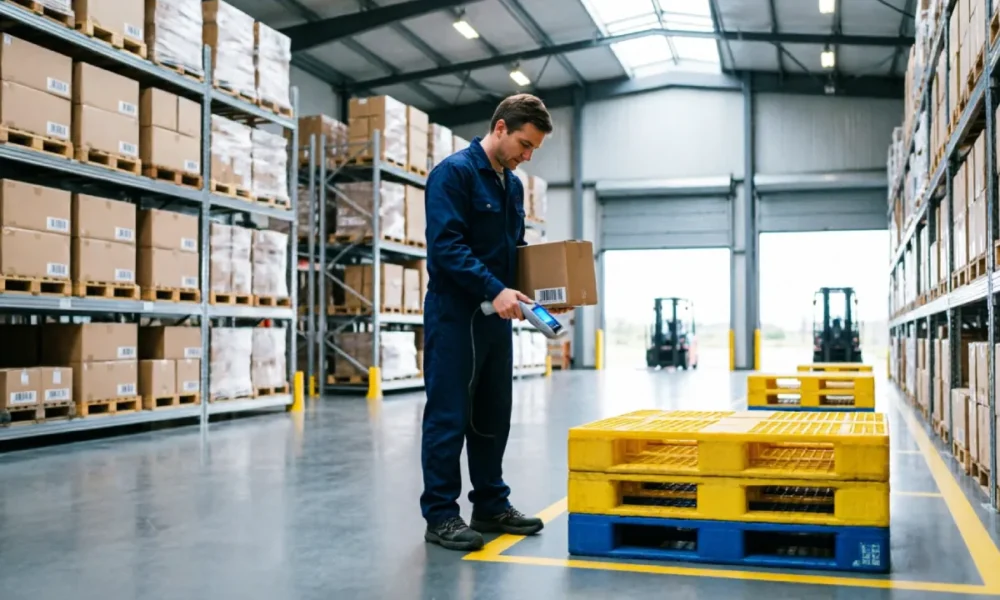
A warehouse is no longer a place where goods simply sit until they are needed. It is a working part of a company’s supply chain, and streamlining warehouse productivity operations affects nearly every other part of the business. When picking, packing, and shipping happen without delay, orders go out faster, and customers stay happy. When they don’t, the costs show up everywhere: in late deliveries, wasted labor hours, and strained relationships with retail partners. Treating warehouse productivity as a side issue, rather than a core business priority, is one of the most common mistakes companies make.
Table Of Content
- The Direct Impact of Warehouse Efficiency on Profitability and Cost Control
- How Streamlined Operations Improve Customer Satisfaction and Loyalty
- The Role of Inventory Accuracy in Operational and Financial Performance
- Boosting Productivity Through Automation and Technology Integration
- Applying Lean Principles to Eliminate Waste and Enhance Workflow
- Designing an Optimal Warehouse Layout for Speed and Space Utilization
- Strengthening Workforce Training, Safety, and Continuous Improvement Culture
- Leveraging Warehouse Management Systems (WMS) for Real-Time Control
- Integrating Data Analytics, KPIs, and Predictive Demand Forecasting
- Achieving Scalability, Sustainability, and Supply Chain Collaboration
- A Step-by-Step Approach to Diagnosing and Transforming Warehouse Operations
- Future Trends Shaping Warehouse Productivity
- Real-World Success Stories and Proven Results from Warehouse Streamlining
The Direct Impact of Warehouse Efficiency on Profitability and Cost Control
Labor, storage space, and equipment are among the highest ongoing costs a warehouse carries. When processes are disorganized, these costs rise without adding any real value. Workers spend extra time walking to find items. Space gets used poorly because there’s no clear system for storage. Equipment sits idle or gets overused because tasks aren’t planned well. Each of these problems chips away at profit margins. A warehouse that runs efficiently, on the other hand, gets more done with the same resources, which means lower cost per order and stronger margins over time.
How Streamlined Operations Improve Customer Satisfaction and Loyalty
Customers rarely see what happens inside a warehouse, but they feel the results directly. An order that arrives on time, complete, and undamaged builds trust. One that arrives late or wrong does the opposite, often permanently. In a market where buyers can switch to a competitor with a single click, consistent fulfillment has become a competitive advantage in its own right. Warehouses that streamline their processes are able to promise shorter delivery windows and keep those promises, which turns first-time buyers into repeat customers.
The Role of Inventory Accuracy in Operational and Financial Performance
Inaccurate inventory records create problems that ripple through the entire business. Overselling out-of-stock items damages customer trust. Understocking leads to missed sales. Excess stock ties up cash and takes up space that could be used more productively. Accurate, real-time inventory data allows a business to make better purchasing decisions, avoid stockouts, and reduce the carrying costs associated with holding too much product. Getting inventory accuracy right is one of the simplest ways to improve both day-to-day operations and long-term financial health.
Boosting Productivity Through Automation and Technology Integration
Manual processes have limits, and those limits become obvious as order volumes grow. Barcode scanners, conveyor systems, automated sorting equipment, and robotic picking tools all reduce the time and error rate associated with manual handling. Automation doesn’t need to mean a complete overhaul overnight. Many warehouses start with targeted upgrades, such as handheld scanners or automated labeling, before moving toward larger systems like automated storage and retrieval units. The goal is to remove repetitive, time-consuming tasks from workers so they can focus on higher-value activities.
Applying Lean Principles to Eliminate Waste and Enhance Workflow
Lean thinking, originally developed in manufacturing, applies just as well to warehouse operations. At its core, lean is about identifying anything that doesn’t add value and removing it. This could mean cutting unnecessary movement between storage zones, reducing the number of times an item is handled before it ships, or simplifying approval steps that slow down processing. Small changes, applied consistently, tend to produce large improvements over time. Warehouses that adopt a lean mindset also tend to build a culture where workers actively look for ways to improve their own processes, rather than waiting for management to point out problems.
Designing an Optimal Warehouse Layout for Speed and Space Utilization
The physical layout of a warehouse has a direct effect on how quickly work gets done. Placing fast-moving items closer to packing stations reduces travel time. Organizing storage by order frequency, size, or weight can cut picking time significantly. Wide, clearly marked aisles reduce congestion and accidents. Even something as simple as reorganizing shelving can lead to noticeable gains in speed. A layout that made sense when the warehouse was smaller may no longer fit current order volumes, so periodic review of the physical space is worth the effort.
Strengthening Workforce Training, Safety, and Continuous Improvement Culture
Technology and layout only go so far without a well-trained, engaged workforce. Employees who understand not just how to perform a task, but why it matters, tend to make fewer errors and adapt more easily to change. Safety training reduces accidents, which in turn reduces downtime and liability costs. Beyond initial training, building a culture where workers are encouraged to suggest improvements creates a workforce that actively contributes to better outcomes rather than simply following instructions. Warehouses with low turnover and strong internal communication consistently outperform those without.
Leveraging Warehouse Management Systems (WMS) for Real-Time Control
A warehouse management system acts as the central nervous system of the operation, tracking inventory, directing tasks, and providing visibility into what’s happening at any given moment. Instead of relying on spreadsheets or memory, staff and managers can see exactly where items are, which orders are pending, and where bottlenecks are forming. Real-time visibility allows for faster decision-making and quicker correction of problems before they grow. For businesses handling any meaningful volume of orders, a WMS is one of the most impactful investments available.
Integrating Data Analytics, KPIs, and Predictive Demand Forecasting
Data collected from daily operations becomes far more useful when it’s actually analyzed. Key performance indicators such as order accuracy, picking speed, and inventory turnover give managers a clear picture of how the warehouse is performing over time, rather than relying on assumptions. Predictive demand forecasting, built on historical sales patterns and seasonal trends, helps businesses prepare for spikes in demand before they happen, reducing both stockouts and excess inventory. Warehouses that track and act on this kind of data consistently outperform those that operate reactively.
Achieving Scalability, Sustainability, and Supply Chain Collaboration
A warehouse built for today’s order volume may struggle when the business grows. Planning for scalability means choosing systems, layouts, and processes that can handle increased demand without requiring a complete rebuild. Sustainability has also become a practical concern, not just an environmental one: energy-efficient lighting, better route planning, and waste reduction all lower operating costs while reducing environmental impact. Close collaboration with suppliers and logistics partners further smooths out the flow of goods, reducing delays that originate outside the warehouse’s own walls.
A Step-by-Step Approach to Diagnosing and Transforming Warehouse Operations
Improving warehouse productivity works best as a structured process rather than a series of isolated fixes. It typically starts with an honest assessment of current performance, identifying where delays, errors, and wasted effort occur. From there, businesses can prioritize the changes that offer the greatest impact for the least disruption, such as reorganizing storage or introducing basic automation. Each change should be measured against clear benchmarks, allowing the business to confirm what’s working and adjust what isn’t. This step-by-step approach avoids the common trap of making sweeping changes without a clear way to evaluate their success.
Future Trends Shaping Warehouse Productivity
Artificial intelligence, robotics, and cloud-based warehouse management systems are changing what’s possible in warehouse operations. AI-driven forecasting improves the accuracy of demand predictions. Robotic systems handle repetitive picking and transport tasks with speed that manual labor cannot match. Cloud-based systems allow real-time coordination across multiple warehouse locations, giving businesses far more flexibility than traditional, isolated systems allowed. Companies that stay aware of these developments and adopt them where they make sense position themselves to stay competitive as customer expectations continue to rise.
Real-World Success Stories and Proven Results from Warehouse Streamlining
Across industries, businesses that have invested in warehouse improvements report measurable results: shorter order processing times, fewer shipping errors, and lower operating costs. Retailers that introduced automated sorting have cut fulfillment times significantly during peak seasons. Distributors that adopted real-time inventory tracking have reduced stockouts and improved supplier relationships. These outcomes aren’t unique to large corporations. Small and mid-sized businesses that make targeted, well-planned improvements to their warehouse operations see similar gains, proving that streamlining is not a luxury reserved for companies with the largest budgets, but a practical strategy available to any business willing to invest the time and effort.