
The Essential Role of BLS Instructor Training in Modern Healthcare Education
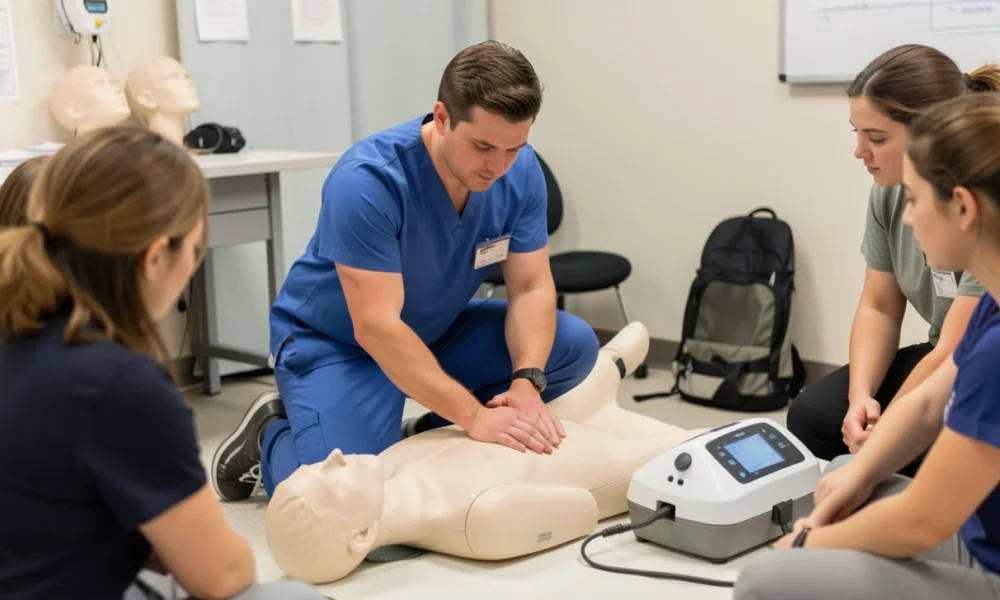
The effectiveness of Basic Life Support (BLS) training for healthcare professionals is directly linked to the quality of its instructors. These individuals are responsible for translating critical resuscitation science into the practical skills that can mean the difference between life and death. Becoming a BLS instructor requires more than just personal proficiency; it demands a formal training process that prepares candidates to teach, evaluate, and inspire future providers. This article explores why investing in comprehensive BLS instructor training is a cornerstone of high-quality healthcare education.
Table Of Content
- Ensuring High-Quality and Standardized Education
- Promoting Patient Safety and Quality Care
- Maintaining a Strong Foundation in Current Guidelines and Techniques
- Increasing Competency and Confidence in Healthcare Providers
- Developing Effective Teaching and Evaluation Skills
- Building a Culture of Safety and Continuous Improvement
- Conclusion
Ensuring High-Quality and Standardized Education
The primary goal of BLS instructor training is to create educators who can deliver consistent, high-quality instruction. This ensures that all healthcare students and professionals, regardless of where they train, receive the same foundational knowledge and skill set. Standardization is critical for producing competent providers who can work seamlessly across different institutions and healthcare settings.
Instructor candidates learn to use official curricula, such as those provided by the American Heart Association (AHA), which are regularly updated to reflect the latest medical evidence. They are trained not only in the technical steps of CPR but also in how to effectively present didactic materials and facilitate hands-on learning. This structured approach helps eliminate variability in teaching, ensuring that every student masters the same core competencies, from proper chest compression technique to the effective use of an automated external defibrillator (AED) .
Promoting Patient Safety and Quality Care
At its core, BLS training is about improving patient outcomes. Certified BLS instructors are trained to emphasize the “why” behind every skill, fostering a deep understanding of how timely interventions and efficient teamwork directly impact survival. By instilling best practices and adherence to established protocols, instructors play a direct role in promoting patient safety .
Instructor training programs focus on building competencies in team dynamics and communication . During a simulated cardiac arrest, for example, an instructor teaches students how to function as a coordinated team, with clear roles for team leaders and followers, which is essential for efficient, conflict-free patient care . His focus on real-world application ensures that trained providers can translate their knowledge into effective action, reducing the risk of errors and improving the overall quality of emergency care .
Maintaining a Strong Foundation in Current Guidelines and Techniques
Resuscitation science is not static. Guidelines for CPR and Emergency Cardiovascular Care (ECC) are periodically updated by governing bodies like the AHA to incorporate new research. The most recent updates, reflected in the 2025 Guidelines, introduce new science and techniques that all healthcare providers must master.
BLS instructor training is the primary mechanism for disseminating these updates throughout the healthcare system. Instructors are required to stay current with the latest evidence, ensuring they teach the most effective techniques. For instance, the 2025 AHA guidelines are now the standard for BLS provider courses, and instructor manuals and training materials have been revised accordingly. By updating their knowledge and skills, BLS instructors serve as a reliable conduit for new science, translating complex research into actionable skills for their students.
Increasing Competency and Confidence in Healthcare Providers
The process of becoming an instructor deepens one’s own understanding of BLS material. Instructor candidates must first possess excellent BLS skills and be thoroughly familiar with current guidelines before they are eligible to train other. The instructor course then builds upon this foundation, teaching candidates how to demonstrate skills correctly, evaluate student performance, and provide constructive feedback .
This rigorous preparation produces instructors who are not only highly competent but also confident in their ability to teach. This confidence is contagious. Students trained by capable, assured instructors are more likely to feel prepared and empowered to act during a real emergency. They move beyond rote memorization to a genuine understanding of life-saving techniques, reinforcing the entire chain of survival.
Developing Effective Teaching and Evaluation Skills
BLS instructor training goes beyond clinical knowledge to encompass the art and science of teaching. Programs equip future instructors with a variety of educational strategies to cater to different learning styles. Key concepts covered often include:
- Mastery Learning and Deliberate Practice: Emphasizing a minimum passing standard and the importance of overlearning critical skills that can decay over time .
- Spaced Practice: Understanding how multiple practice sessions at set intervals improve long-term knowledge and skill retention .
- Contextual Learning: Tailoring instruction to the real-world environment of the students, such as focusing on team dynamics for healthcare professionals .
- Feedback and Debriefing: Learning how to provide timely, relevant, and actionable feedback, as well as facilitating reflective conversations after practice sessions to solidify learning .
- Fair and Accurate Evaluation: Training on how to objectively assess student performance using standardized checklists and written exams, often with a required minimum passing score (e.g., 84%).
These pedagogical skills transform a subject-matter expert into an effective educator capable of maximizing student outcomes.
Building a Culture of Safety and Continuous Improvement
Certified BLS instructors are often the champions of resuscitation training within their institutions. They are responsible for more than just running courses; they help build a culture of safety and continuous improvement. This can involve developing standardized training materials, establishing quality assurance mechanisms, and participating in the ongoing evaluation of the CPR program
In many healthcare settings, instructors also manage the logistics of training, from scheduling classes and preparing equipment to maintaining records and ensuring compliance with certifying bodies . They are the stewards of the institution’s resuscitation standards, ensuring that skills are not only learned but also regularly refreshed and reinforced. This commitment to continuous professional development is vital, as BLS skills and certifications typically require renewal every two years.
Conclusion
BLS instructor training is far more than a simple add-on to a clinical skillset; it is a fundamental component of a robust healthcare education system. It ensures that the teaching of life-saving techniques is standardized, evidence-based, and pedagogically sound. By investing in the development of skilled instructors, healthcare institutions invest in the competency and confidence of their entire workforce. These trained educators are essential for translating the latest science into practice, promoting a culture of safety, and ultimately, saving more lives. Enrolling in a BLS instructor training program is a significant step for any healthcare professional looking to make a lasting impact on patient care and the future of their field.