

The Benefits of Hosting International Sporting Events in the UK
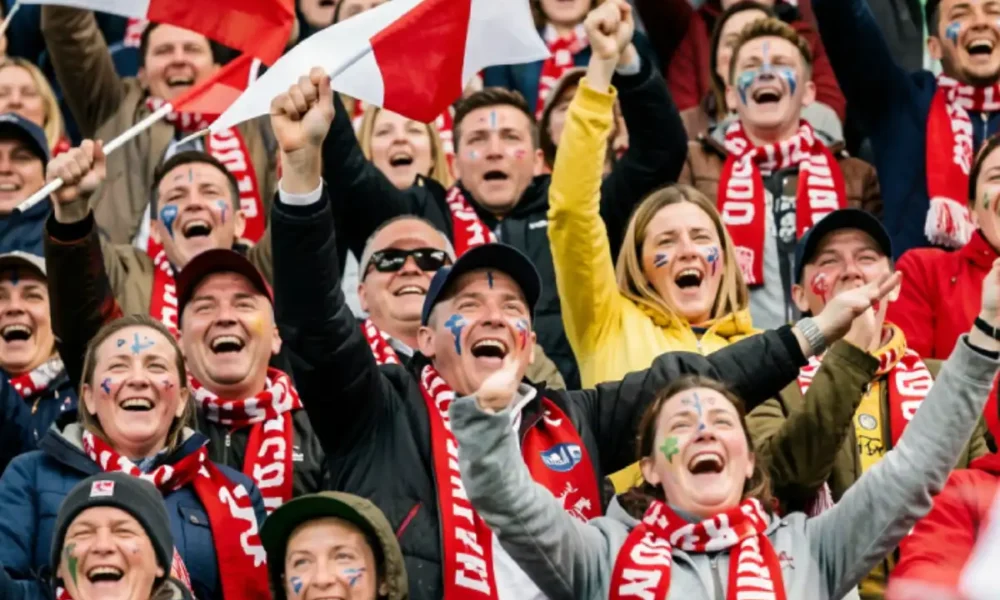
The Benefits of Hosting International Sporting Events in the UK? The United Kingdom has established itself as a capable host for major international sporting events, from global championships to prestigious annual competitions. These large-scale gatherings generate measurable benefits across multiple sectors, influencing the economy, tourism industry, infrastructure development, and social fabric of host cities and regions.
Table Of Content
Understanding these benefits provides insight into why nations compete for hosting rights and how communities can maximize the value of these temporary but significant occasions.
Economic Impact
International sporting events generate substantial economic activity through multiple revenue streams. Ticket sales, corporate sponsorship agreements, broadcasting rights, and merchandise create direct income, while visitor spending supports local businesses across hospitality, retail, and transportation sectors.
The 2012 London Olympics demonstrated this effect, contributing an estimated £9.9 billion to the UK economy. Similarly, events like the UEFA Champions League Final bring concentrated economic activity to host cities over shorter periods.
These events create employment opportunities across various skill levels. Hospitality workers, security personnel, event coordinators, transportation staff, and construction workers all find temporary or permanent positions related to event preparation and execution.
Tourism Growth
Major sporting events function as global marketing opportunities for host locations. International media coverage exposes millions of viewers to UK cities, landmarks, and cultural offerings, often inspiring future travel.
Visitors attending events typically spend beyond match days, exploring local attractions and extending their stays. The 2019 Cricket World Cup brought fans from cricket-passionate nations who combined match attendance with broader tourism activities throughout England and Wales.
Annual events like Wimbledon maintain consistent international visitor numbers, while multi-city tournaments showcase diverse regions. This geographic spread helps tourism benefits reach beyond London, supporting economies in cities like Manchester, Glasgow, Cardiff, and Birmingham.
Infrastructure Development
Hosting requirements often accelerate infrastructure improvements that serve communities long after events conclude. Transportation upgrades, venue construction, and urban regeneration projects create lasting physical assets.
The London Olympics spurred significant development in East London, transforming previously underutilized areas into mixed-use spaces with residential, commercial, and recreational facilities. The Olympic Park itself continues as a public space and sports venue.
New or upgraded stadiums, swimming facilities, cycling tracks, and training centers built for events remain available for public use, athlete development, and future competitions. These facilities often become regional sporting hubs.
Community Engagement and Social Benefits
Large sporting events generate heightened civic engagement and collective enthusiasm. Public viewing areas, fan zones, and community celebrations create shared experiences that strengthen local identity.
Research indicates that over 80% of UK residents express pride in the country’s ability to host major sporting events. This shared sentiment often translates into increased volunteering, with tens of thousands of people contributing their time to support event operations.
These volunteer experiences provide skill development opportunities and can inspire ongoing community involvement beyond the event itself.
Increased Sports Participation
Exposure to elite athletic performance often inspires increased recreational sports participation among local populations. The visibility of athletes competing at the highest level can motivate people of all ages to engage with sports, whether casually or competitively.
This effect appears particularly strong among young people who see athletes competing in their home country. Increased participation rates can contribute to broader public health outcomes and help identify future athletic talent.
Sporting organizations often receive increased funding and attention during major events, supporting grassroots programs and athlete development pathways.
Home Advantage for Athletes
Competing in familiar environments with supportive home crowds provides tangible performance benefits. Athletes often cite crowd energy as a motivating factor, while familiarity with venues reduces stress and uncertainty.
Historical data shows home nations frequently achieve above-average medal counts during events they host. Team GB’s performance at the 2012 Olympics exemplified this pattern, with athletes securing their highest medal total in over a century.
International Reputation
Successfully executing complex international events strengthens a nation’s reputation for organizational capability and reliability. This perception can influence future hosting bids, international business relationships, and soft power positioning.
The UK’s track record of hosting events ranging from the Olympics to annual tennis championships, horse races, and motorsport competitions reinforces its image as a stable, capable host nation.
Considerations for Balanced Understanding
While the benefits are substantial, hosting major sporting events also involves significant public investment, temporary disruption, and complex planning requirements. Communities benefit most when event legacy planning prioritizes long-term public value over short-term spectacle.
Environmental impact, displacement of local residents during construction, and the opportunity cost of public funds require careful consideration alongside the benefits outlined above.
Conclusion
International sporting events create multifaceted value for host nations through economic activity, tourism development, infrastructure improvement, and social engagement. The UK’s experience demonstrates how these temporary gatherings can generate lasting benefits when planned with community needs and long-term value in mind.
From employment creation to infrastructure that serves future generations, the effects extend well beyond the sporting competition itself. As the UK continues hosting prestigious events, understanding and maximizing these benefits remains important for communities and policymakers alike.