

7 Simple Ways to Transform Your Bedroom Into a Relaxing Retreat
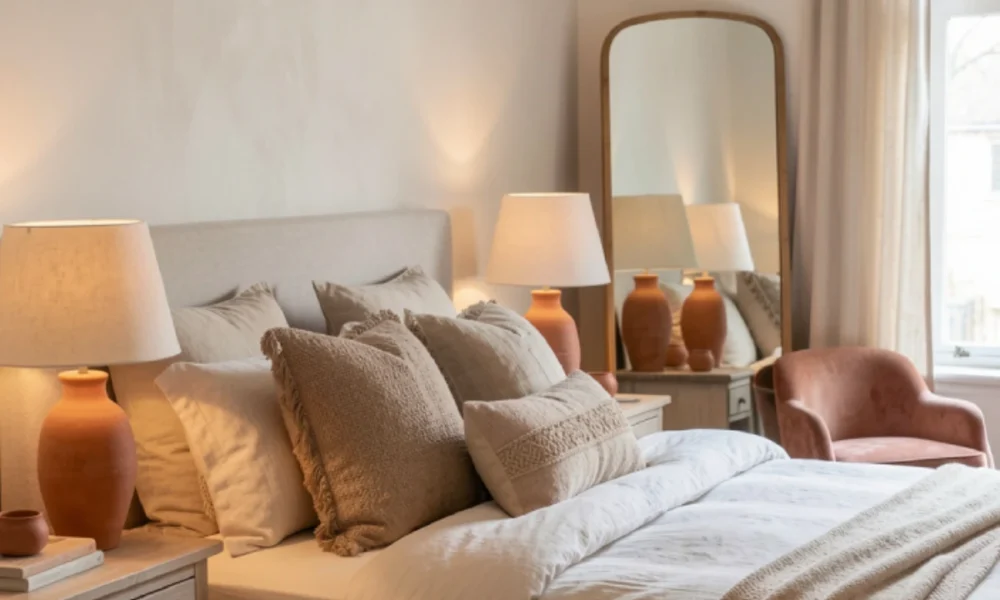
Transform Your Bedroom Into a Relaxing Retreat, Your bedroom should serve as a personal sanctuary where you rest, recharge, and find peace. Over time, even well-designed spaces can feel stale or uninviting. Small, strategic updates can refresh your room without requiring a complete renovation. From lighting adjustments to texture additions, these practical changes can turn your bedroom into the calming retreat you need.
Table Of Content
Layer Your Lighting for Better Ambiance
Proper lighting transforms how your bedroom feels and functions. Relying solely on overhead fixtures creates harsh, flat illumination that doesn’t support relaxation. A layered approach using ambient, task, and accent lighting gives you control over mood and functionality.
Start with ambient lighting as your foundation. This includes ceiling fixtures, recessed lights, or pendant lamps that provide general illumination. Install dimmer switches to adjust brightness throughout the day.
Add task lighting for specific activities. Bedside lamps or wall sconces provide focused light for reading without disturbing a sleeping partner. Position these fixtures 24 to 30 inches above your mattress for comfortable reading angles.
Finish with accent lighting to create depth and warmth. String lights along a headboard, LED strips under furniture, or small table lamps on dressers add visual interest. Warm bulbs between 2700K and 3000K promote relaxation better than cool, blue-toned lighting.
Natural light remains important during daytime hours. Lightweight curtains filter sunlight while maintaining privacy, helping regulate your circadian rhythm.
Build Comfort Through Texture
Texture immediately changes how a bedroom feels. Layering different materials adds visual depth while making the space more inviting and comfortable.
Your bedding offers the most visible opportunity for texture. Combine crisp cotton sheets with quilted coverlets, linen duvets, or velvet throw pillows. Mix materials like chunky knit blankets with smooth silk pillowcases to create contrast.
Plush area rugs provide softness underfoot while anchoring your design. Large rugs placed under or beside the bed define the sleeping area and add warmth to hardwood or tile floors. Choose materials that feel pleasant on bare feet.
Throw pillows in varied fabrics introduce both texture and color. Velvet, faux fur, woven cotton, and knitted covers each contribute different tactile qualities. Arrange pillows in odd numbers for balanced visual appeal.
Consider upholstered furniture pieces like padded headboards, tufted benches, or fabric-covered accent chairs. These elements soften hard surfaces while improving acoustics by absorbing sound.
Refresh Walls With Intentional Design
Walls represent significant visual space that many overlook. Updating wall treatments provides noticeable results without major construction.
Choose a focal point, typically the wall behind your bed. Hang one large-scale artwork, create a gallery wall with framed prints, or install textural elements like wood paneling or wallpaper. For gallery walls, maintain consistent spacing between frames and align top or bottom edges for cohesion.
Paint offers the most budget-friendly transformation. Soft neutrals like beige, warm gray, or cream promote calmness. Deeper tones like navy, charcoal, or forest green add sophistication and create a cocooning effect in larger rooms. An accent wall in a contrasting color adds interest without overwhelming the space.
Mirrors serve both decorative and functional purposes. They reflect light to brighten rooms while creating the illusion of more space. Position mirrors opposite windows to maximize natural light reflection. Oversized mirrors make bold statements, while grouped smaller mirrors create artistic arrangements.
Removable wallpaper provides pattern and texture for renters or those wanting temporary updates. Look for designs that complement your existing color scheme without competing with other patterns in the room.
Bring Nature Indoors With Plants
Houseplants add life, color, and improved air quality to bedrooms. They create a connection to nature that promotes relaxation and well-being.
Select low-maintenance varieties if you’re new to plant care. Snake plants, pothos, and succulents tolerate varying light conditions and require minimal watering. Spider plants and peace lilies also thrive in bedroom environments while helping purify air.
Place plants strategically throughout the room. Tall floor plants occupy empty corners, medium plants sit on dressers or nightstands, and hanging planters utilize vertical space without cluttering surfaces. Ensure plants receive appropriate light based on their specific needs.
Fresh cut flowers provide temporary beauty and fragrance. Keep seasonal blooms in simple vases on nightstands or dressers. Change water every few days to extend freshness.
For rooms with limited natural light, consider artificial plants that look realistic. High-quality faux plants offer the visual benefits of greenery without maintenance requirements.
Update Furniture for Contemporary Appeal
Furniture updates modernize your bedroom’s look. Replacing or refinishing key pieces creates fresh visual interest.
Your bed frame serves as the room’s focal point. Minimalist upholstered headboards, sleek metal frames, or wooden platform beds each establish different aesthetics. If purchasing new furniture isn’t feasible, paint existing pieces or add slipcovers to headboards for quick updates.
Nightstands, dressers, and seating should balance style with storage needs. Look for pieces with clean lines, mixed material finishes, or interesting hardware. Avoid matching furniture sets that create a showroom appearance. Instead, mix wood tones and finishes for a collected look that feels more personal.
Consider multi-functional furniture for smaller bedrooms. Beds with built-in storage drawers, ottomans that open for blanket storage, or nightstands with shelving maximize space efficiency. Wall-mounted floating nightstands save floor space while providing surface area.
Replace outdated hardware on existing furniture. New drawer pulls and cabinet knobs in brass, matte black, or brushed nickel update the appearance of dressers and nightstands inexpensively.
Experiment With Color and Pattern
Color profoundly affects mood and atmosphere. Strategic color choices transform how your bedroom feels.
Wall color sets the overall tone. In 2026, white leads bedroom color preferences, reflecting a desire for calm and simplicity. Soft blues, warm grays, and cream tones follow as popular choices. These neutrals create restful backgrounds that work with various decor styles.
Terracotta and clay tones add warmth and earthiness. These colors pair well with natural wood furniture and woven textiles. Moody shades like charcoal, midnight blue, and soft black create intimate, cocooning spaces when balanced with metallic accents and layered lighting.
Introduce color through textiles if you’re hesitant about painted walls. Patterned bedding, colorful throw pillows, or printed curtains add visual interest without permanent commitment. Mix patterns by varying scale—pair large florals with small geometric prints, or combine stripes with solid textures.
Color-drenching, where walls, trim, and ceilings share the same hue, creates immersive, cohesive spaces. This technique works particularly well with rich, saturated colors that wrap the room in warmth.
Add Personal Elements That Reflect You
Personalization makes your bedroom uniquely yours. Meaningful objects and displays create emotional connections to your space.
Display items that hold significance. Family photographs in cohesive frames, travel souvenirs, or collections of meaningful objects tell your story. Create dedicated display areas on shelves, dressers, or gallery walls rather than scattering items randomly.
Books arranged on nightstands or floating shelves add both decoration and accessibility. Stack books horizontally to create varied height, or organize by color for visual appeal.
Incorporate meaningful textiles like handmade quilts, inherited linens, or fabric from special occasions. These pieces add texture while carrying personal history.
Create a dedicated reading nook or meditation corner if space allows. An accent chair, small side table, and focused lighting establish a secondary relaxation zone within your bedroom.
Your style preferences should guide all design decisions. Whether you prefer minimalist simplicity, maximalist expression, or something between, authentic personal choices create spaces that genuinely feel like home.
Create Your Personal Sanctuary
Transforming your bedroom into a relaxing retreat doesn’t require expensive renovations or professional designers. Small, thoughtful updates to lighting, texture, walls, greenery, furniture, color, and personal elements combine to create significant change. Focus on modifications that align with your style and needs, implementing changes gradually if budget or time constraints exist.
Ready to explore more home transformation ideas? Visit our design inspiration gallery for additional tips on creating spaces you’ll love.